Biography
Majid Bekkas: when the desert speaks blues gnaoua
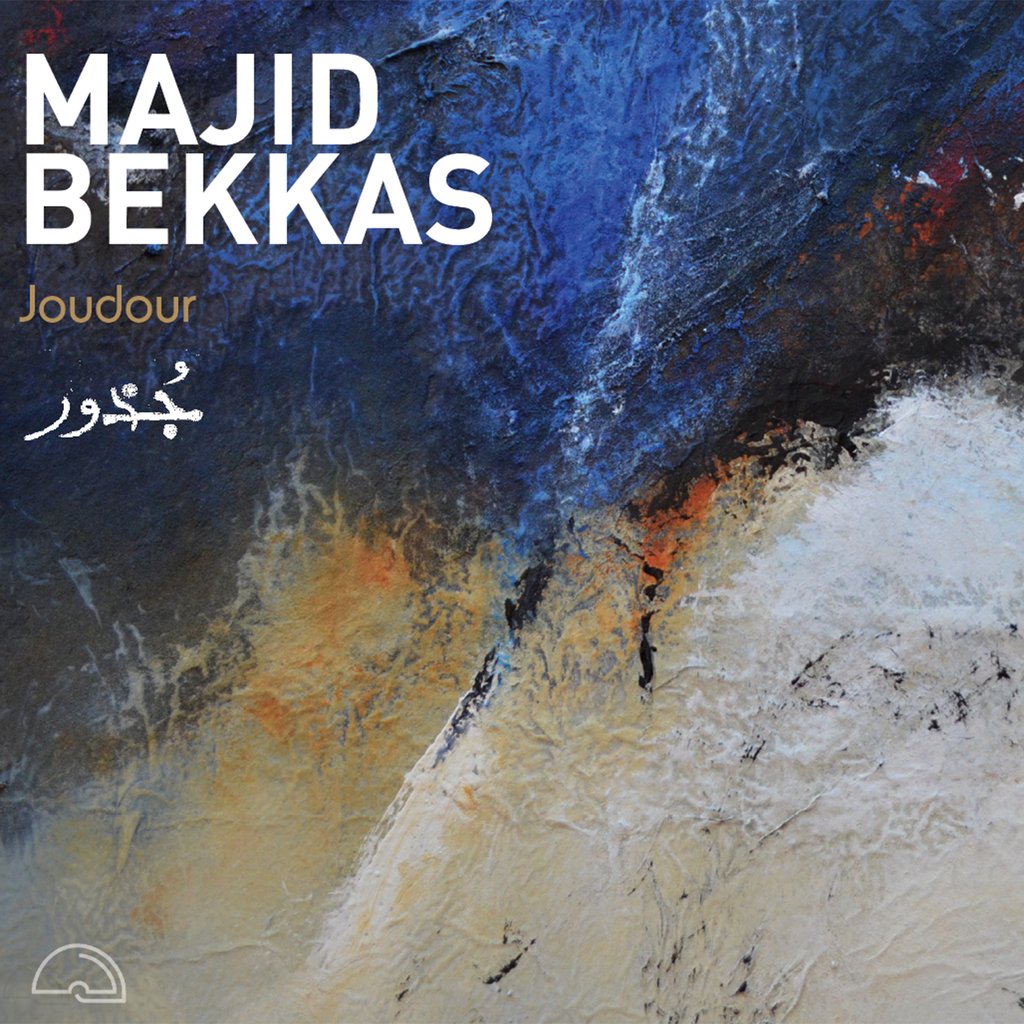
In May 2020, stuck at home in Salé during the pandemic, Majid Bekkas decides not to wait: he records remote sessions that he transmits as digital files to his musicians across the continent. The result, Joudour — roots in Arabic — celebrates twenty years of mixed music between the Mediterranean shores of Morocco and the African lands where the blues resonates. It is the quintessence of an artist who has never ceased to cross borders, whether geographical or cultural.
In brief
| Full name | Abdelmajid Bekkas, aka Majid Bekkas |
| Birth | 1957, Salé, Morocco |
| Field | Multi-instrumentalist musician (oud, guembri, guitar) — gnaoua, blues, jazz |
| Signature works | African Gnaoua Blues (2001), Magic Spirit Quartet (2020) |
| Awards | Django d’Or (nomination 2004), Al-Farabi Prize (2010), Coup de Cœur Charles Cros (2015) |
Key dates
| Year | Event |
|---|---|
| 1957 | Birth in Salé, in the Tabriquet neighborhood |
| 1972 | Debut on banjo in the Nass El Ghiwane groups Jil |
| 1974-79 | Learning gnaoua from maâlem Ba Houmane; guitar debut |
| 1980-90 | Group Youbadi (guitar, keyboards, vocals), then trio Gnaoua Blues Band |
| 1996 | Co-direction of the Jazz au Chellah festival in Rabat |
| 2001 | First album African Gnaoua Blues, Igloo Records |
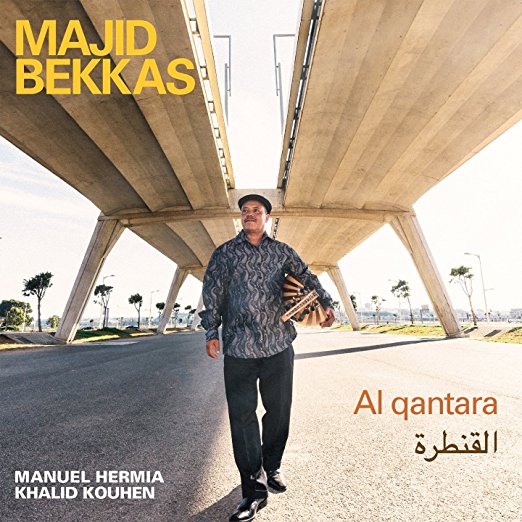
| 2014 | Al Qantara — Trio Coup de Cœur Charles Cros 2015 |
| 2020 | Magic Spirit Quartet, selected Editor’s Choice by DownBeat |
| 2022 | Joudour, return to roots Igloo Records |
From roots to guembri: a journey between desert and jazz
Abdelmajid Bekkas grew up in the Tabriquet neighborhood in Salé, opposite Rabat. His childhood was immersed in the rhythms of aqallal and roukba dances, ceremonies where Arabo-Berber heritage and Sub-Saharan African traditions blend. At fifteen, he steals a banjo to play in Jil groups like Nass El Ghiwane, these pioneers of renewed Moroccan chaâbi. With his uncle and cousin preparing shows mixing music and theater, the stage attracts him from the youngest age.
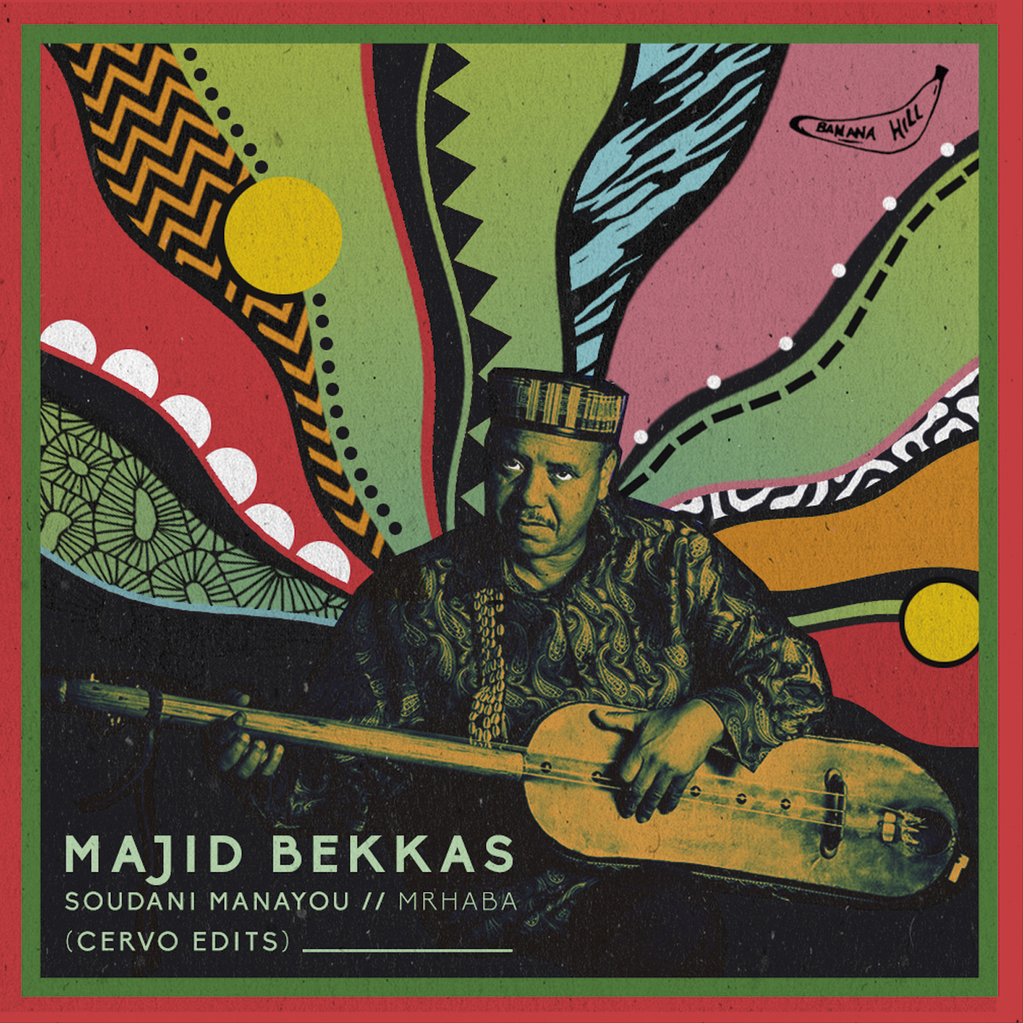
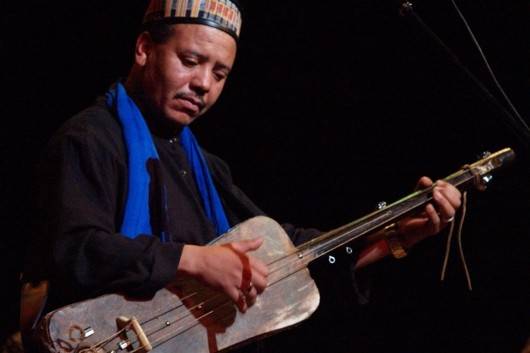
But it is in 1974, upon meeting maâlem Ba Houmane — master of the gnaoua brotherhoods — that Bekkas discovers the guembri. This three-string instrument, brought from Africa by slaves and at the heart of gnaoua trance rituals, becomes his main weapon. He also deepens his knowledge of blues and soul, then earns in 1981 a degree in information sciences in Rabat. Between 1981 and 1983, he completes his civil service before joining the Ministry of Culture as a librarian, then creating a music documentation center at the National Conservatory — while teaching classical guitar. Music remains parallel to his studies, he explains: studies allowed him to live, something music did not guarantee in Morocco.
His first own group, Youbadi, emerges in the 1980s with guitar, keyboards, and vocals. In 1990, he founds the trio Gnaoua Blues Band, which publicly displays the historical lineage between Afro-American blues and gnaoua music — two forms born of slavery, from opposite shores. “I belong to that family,” he confides in 2022 to JazzMania, mentioning Ali Farka Touré and Habib Koité. “African blues lives in my mind.”
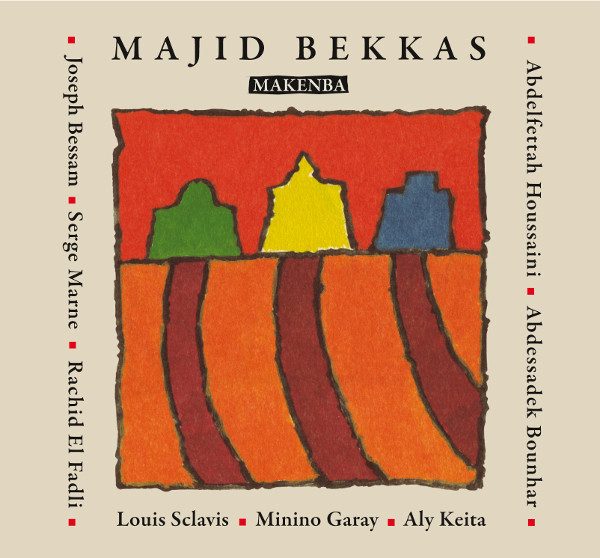
In 1996, the meeting with clarinetist Louis Sclavis during the first edition of Jazz aux Oudayas in Rabat opens a door: Bekkas multiplies collaborations with European and African jazzmen, from Joachim Kühn to Archie Shepp, passing through Ramon López.
Meetings and consecration: from Casablanca to Scandinavian stages
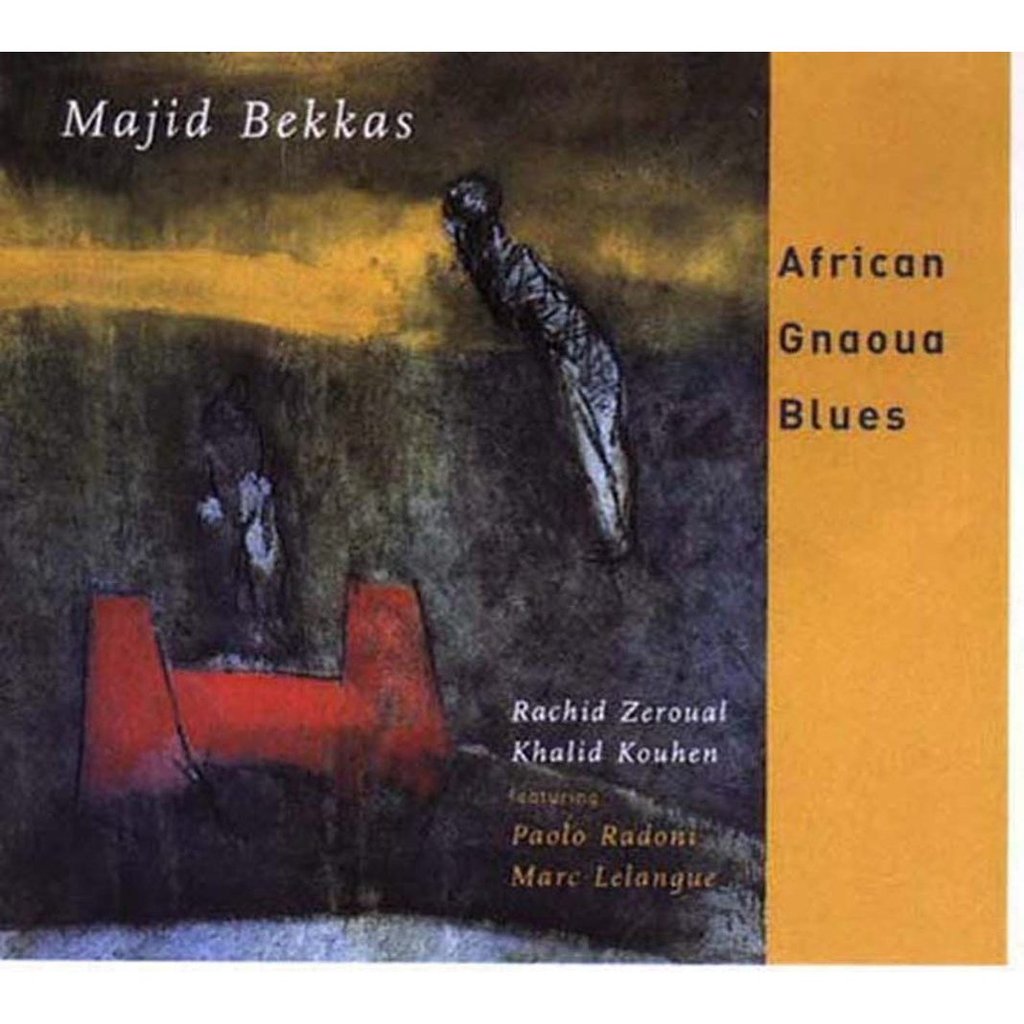
“My music revolves around these meetings,” declares Bekkas. His first album under his name, African Gnaoua Blues (2001), signed with the Belgian label Igloo Records, exposes a mix of hypnotic guembri and blues grooves. The title Daymallah then appears on the compilation Desert Blues 2, chosen best compilation of the year 2002 by the British magazine fRoots.
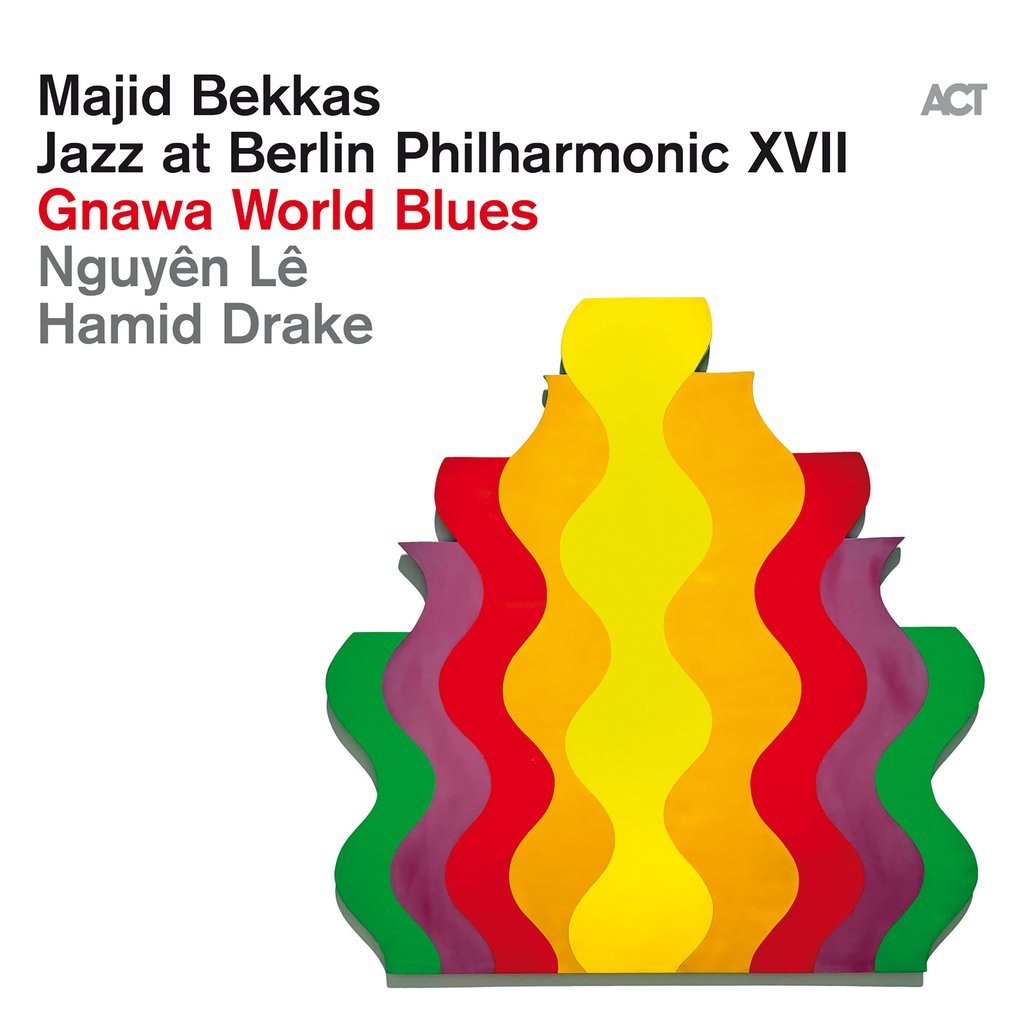
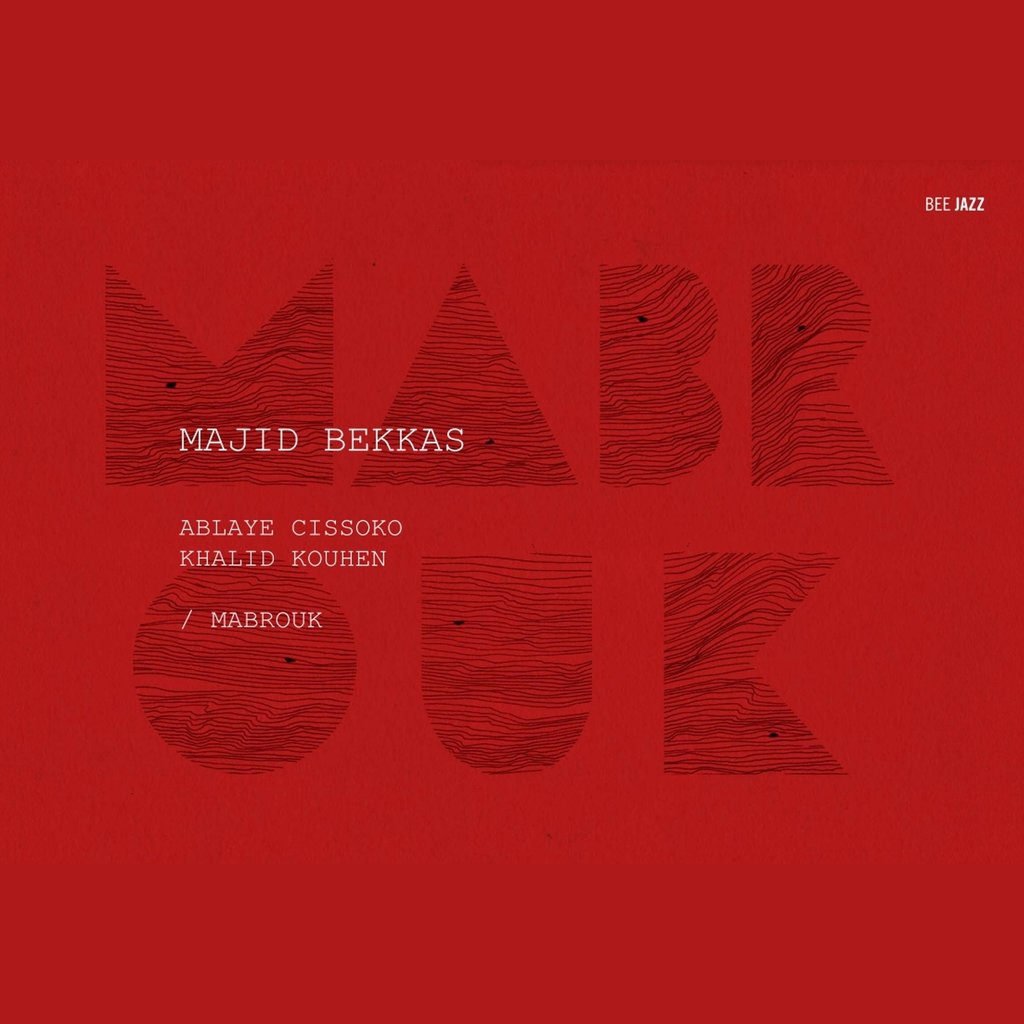
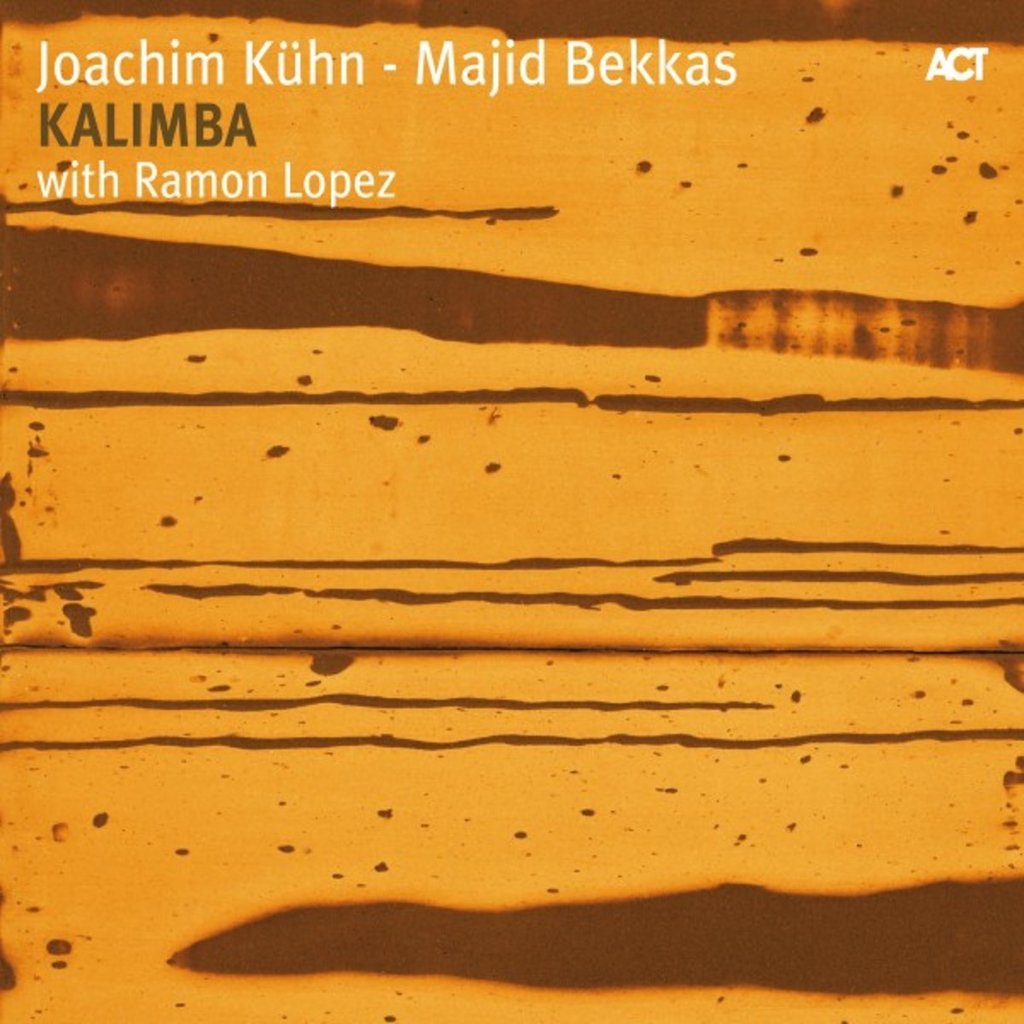
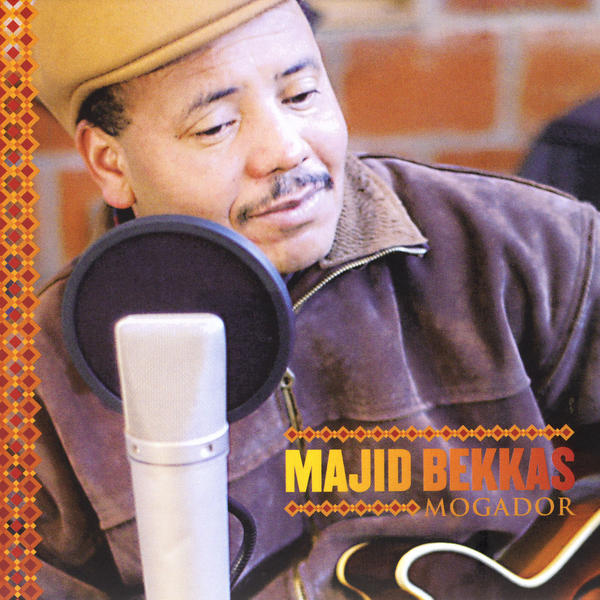
The album approaches improvisational jazz with La Cité invisible (2003, with Beñat Achiary and Pedro Soler), then Mogador (2004) earns him a Django d’Or nomination. Kalimba and Out of the Desert, alongside Joachim Kühn and Ramon López on the ACT label, deepen the fusion between North African traditions and European improvisation. In 2014, Al Qantara — trio with percussionist Khalid Kouhen and Belgian wind player Manuel Hermia — receives the Coup de Cœur Prize from the Charles Cros Academy.
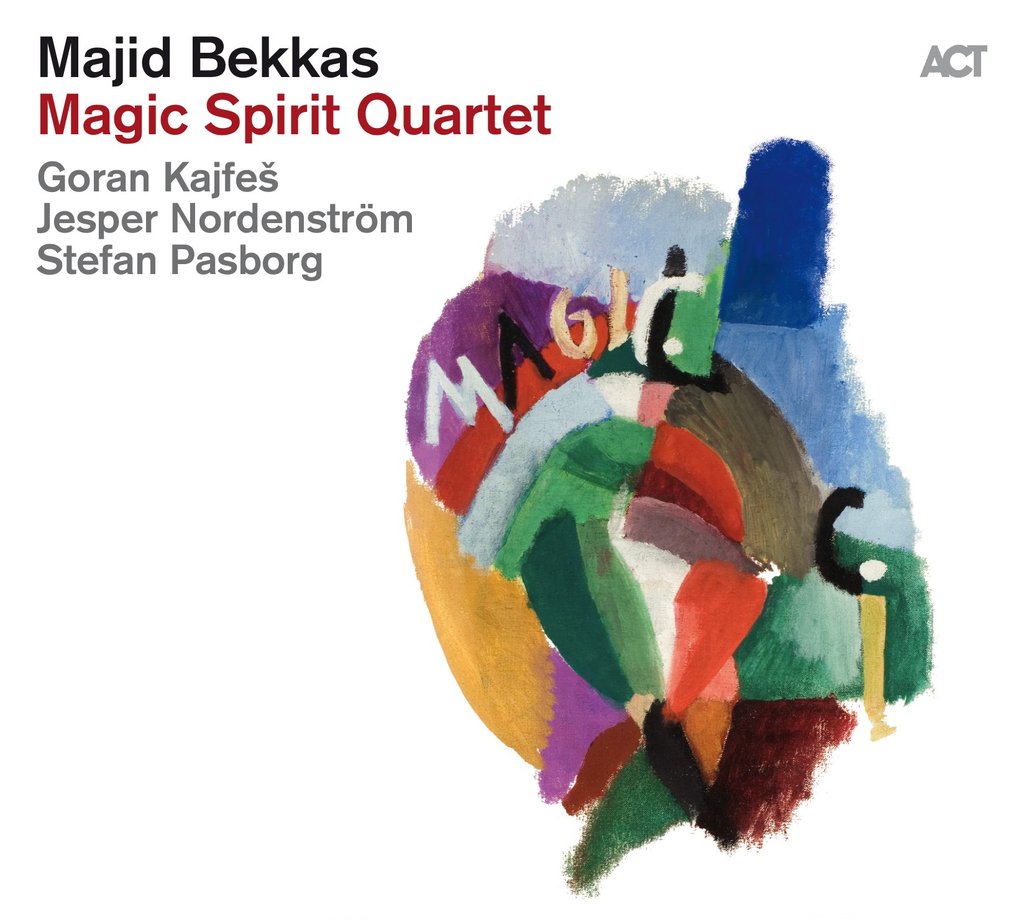
After a Vodoo Sense still with Kühn and Shepp, the surprise comes from the North: the Magic Spirit Quartet (2020) reunites Bekkas with four young Scandinavian musicians — Swedish trumpeter Goran Kajfeš, Danish percussionist Stefan Pasborg, and Norwegian pianist Jesper Nordenström). Selected Editor’s Choice by DownBeat in February 2020, the album is rightly praised. Gnaoua music explodes there with tribal energy, vocal choruses, and passages where the trumpet dances above the guembri like a bird of prey.
In 2022, Joudour returns to gnaoua roots with an international quintet: Khalid Kouhen, Manuel Hermia, Mozambican bassist Childo Tomas, Algerian percussionist Karim Ziad, and Austrian pianist Michael Hornek. Recorded remotely during the pandemic, each session is sent and remixed by Bekkas in his Salé studio — a method that allows him to add ngoni, bouzouki, kalimba, and balafon to his arsenal. “Morocco is a bridge between this Africa I speak of and the West,” he tells JazzMania.
Major Works
| Work | Year | Why It’s Essential |
|---|---|---|
| African Gnaoua Blues | 2001 | Foundational album; the Gnaoua texture meets Afro-American blues |
| Desert Blues 2 (compilation) | 2002 | The track Daymallah appears on the compilation voted best of the year by fRoots |
| Al Qantara | 2014 | Mixed Gnaoua-Oriental trio; Charles Cros Heartfelt Choice 2015 |
| Magic Spirit Quartet | 2020 | Tribal Gnaoua-Scandinavian jazz fusion selected by DownBeat |
| Joudour | 2022 | Return to roots recorded remotely; celebration of Gnaoua roots |
Heritage and Influence
Majid Bekkas is one of the living bridges between Gnaoua music and international jazz and world music scenes. His work contributed to bringing the guembri out of ritualized circles and into European jazz studios—a path opened by Ali Farka Touré and continued by artists like Tinariwen. International festivals, notably Essaouira Gnawa, owe him growing visibility.
By co-founding Jazz au Chellah in 1996, he provided a platform for Moroccan musicians to showcase their sounds before a European audience. The festival, held within the ruins of the Roman Chellah in Rabat, has become an essential appointment on the Moroccan jazz scene. Bekkas’ career proves that Gnaoua roots do not fossilize: they travel, hybridize, and return to the African shores where blues began.
Sources and References
- « Majid Bekkas: The ‘I’ without borders », JazzMania, https://jazzmania.be/majid-bekkas-le-je-sans-frontieres/, interview with Majid Bekkas by Yves Tassin, December 7, 2022.
- « Majid Bekkas: Maintaining the spirituality in Morocco’s Gnaoua music », Music In Africa / Morocco World News, https://musicinafrica.net/node/89203, June 24, 2019.
- « Majid Bekkas » (Wikipedia), fr.wikipedia.org, https://fr.wikipedia.org/wiki/Majid_Bekkas, accessed November 7, 2025.
- « Artist Profiles: Majid Bekkas », World Music Central, https://worldmusiccentral.org/artist-profiles-majid-bekkas/, by Angel Romero.
- « Majid Bekkas », Igloo Records, https://igloorecords.be/en/artist/majid-bekkas.
- « Magic Spirit Quartet », DownBeat Magazine, https://downbeat.com/reviews/detail/magic-spirit-quartet, Editor’s Choice February 2020.
- « Majid Bekkas: Magic Spirit Quartet », Jazz Journal, https://jazzjournal.co.uk/2020/02/21/majid-bekkas-magic-spirit-quartet, February 21, 2020.
- « Al qantara, the last album by Majid Bekkas », L’Observateur du Maroc, https://lobservateur.info/article/2380/Culture/al-qantara-le-dernier-album-de-majid-bekkas-, May 2, 2014.
- « Sahara rock stirs up sandstorm », Mail & Guardian, https://mg.co.za/friday/2014-11-27-sahara-rock-stirs-up-sandstorm, November 27, 2014.