Biography
Malavoi: four violins, a thousand rhythms
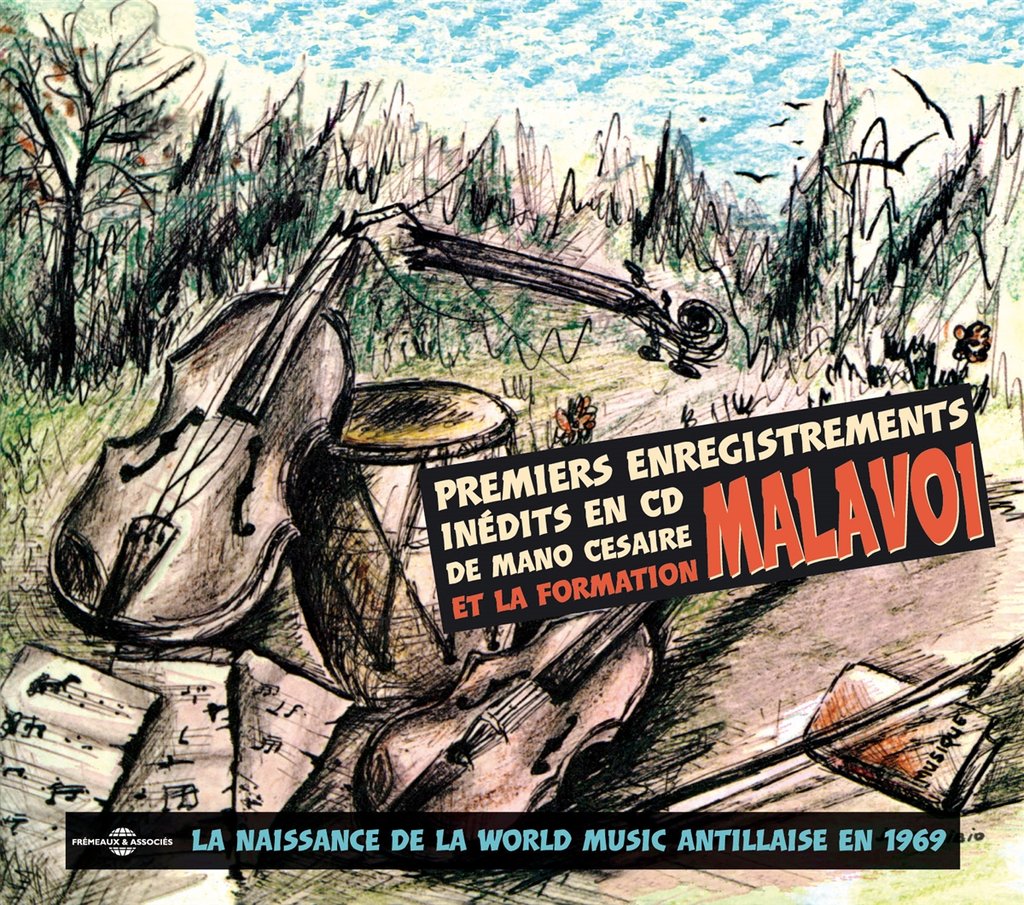
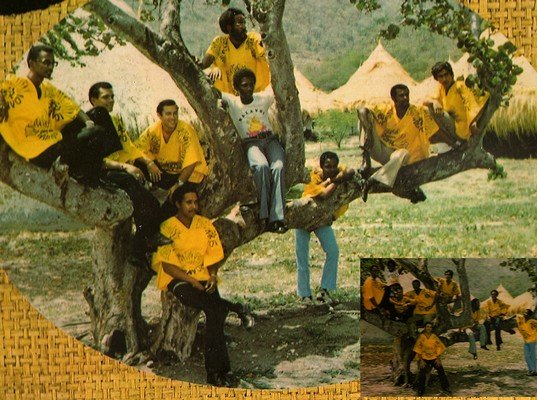
In 1972, in the working-class neighborhood of Terres-Sainvilles in Fort-de-France, five young musicians decided on something that seemed simple at first glance: to restore the place of Martinican music, which young people were abandoning for Haitian compa and Cuban salsa. The result, more than fifty years later, is an unmistakable sound. No one before Malavoi had imagined dressing up the biguine, mazurka, and quadrille—these dances inherited from the era of foulards and madras—with arrangements for four violins, bouncing percussion, and touches of jazz. This group became, along with Kassav’, the world ambassador for Antillean musical culture.
In brief
| Group name | Malavoi |
| Origin | Fort-de-France, Martinique |
| Genre | Zouk, biguine, Antillean music |
| Active period | 1972 – present |
| Founders | Emmanuel « Mano » Césaire (violin), Jean-Paul Soïme (violin), Christian de Negri (violin), Denis Dantin (drums), Marcel Rémion (bass) |
| Key figures | Paulo Rosine (piano, artistic direction), Ralph Thamar (vocals), Pipo Gertrude (vocals) |
| Signature title | “Caressé moin” |
| Awards | Maracas d’Or, original soundtrack for Rue Cases-Nègres |
Key dates
| Year | Event |
|---|---|
| 1972 | Formation of the group in Fort-de-France by five musicians from the Terres-Sainvilles neighborhood |
| 1978 | First album Malavoi with Ralph Thamar on vocals |
| 1981 | Group revival under the artistic direction of Paulo Rosine |
| 1983 | Album Zouel, international success; Printemps de Bourges and Cartagena festival; Maracas d’Or |
| 1983 | Composition of the music for Euzhan Palcy’s film Rue Cases-Nègres |
| 1985 | Signing with international label WEA; performance at Olympia (Paris) |
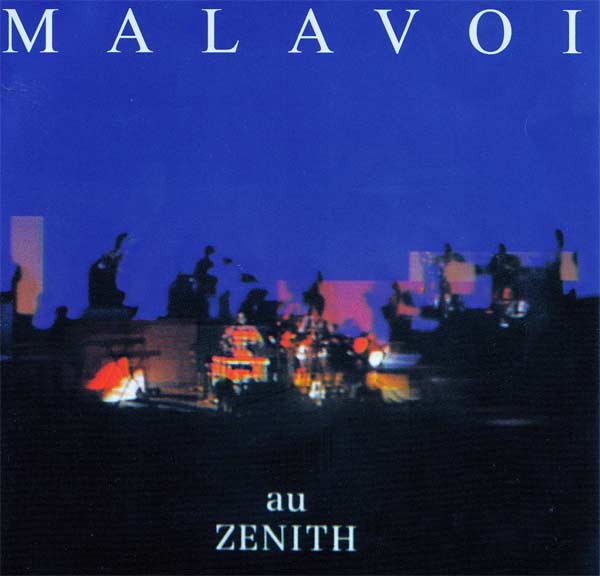
| 1987 | First concert at the Zénith in Paris before 4,000 spectators |
| 1988 | Departure of Ralph Thamar; arrival of Pipo Gertrude on vocals |
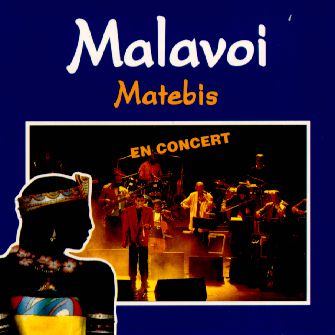
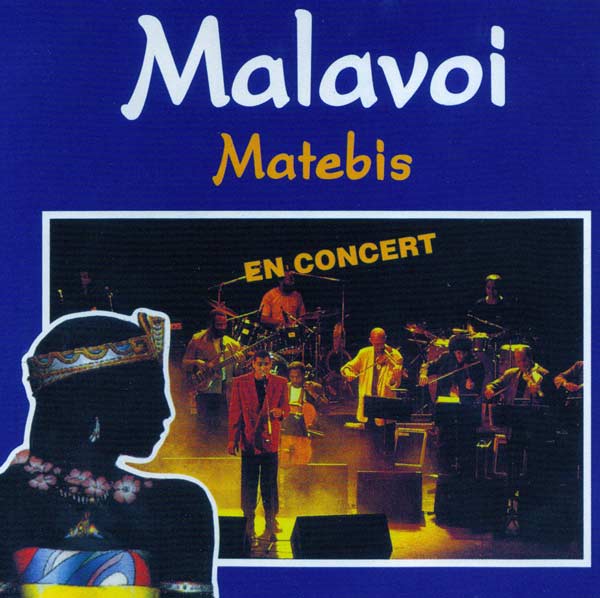
| 1992 | Album Matebis and collaborations with major Caribbean names |
| 1993 | Death of Paulo Rosine; Jean-Paul Soïme takes over artistic direction |
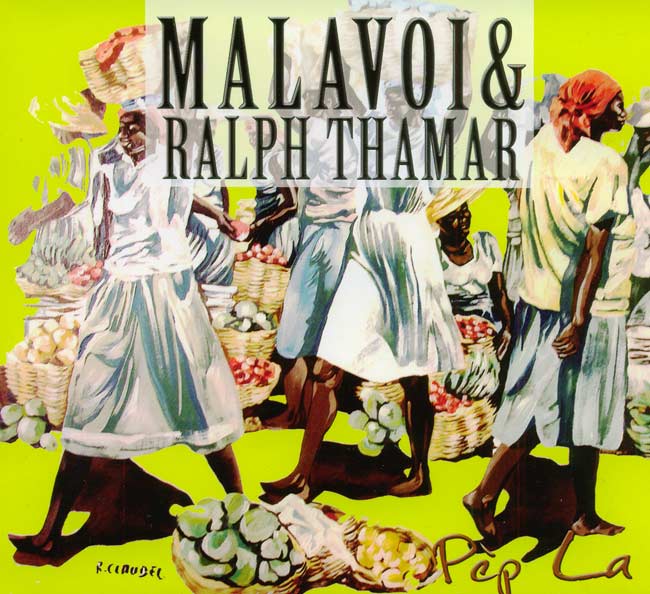
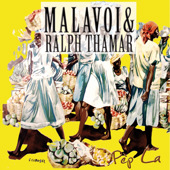
| 2009 | Album Pep la and return of Ralph Thamar |
| 2013 | Malavoi symphonique, concert for the 40th anniversary at the Zénith in Paris |
| 2020 | Album Masibol, tribute to powerful women of Martinique |
| 2022 | Celebration of 50 years of career (La Cigale, Bordeaux, Marseille, Fort-de-France) |
Origins: from Terres-Sainvilles to forgotten rhythms
At the beginning of the 1970s, Martinican music was losing momentum. Young people were listening to Haitian compa, Cuban salsa, and American jazz. The old dances—biguine, mazurka, quadrille—were considered outdated. Yet, at the same time, Antillean political identity was awakening, and music became a vehicle for cultural claims.
It is in this context that five friends from the Terres-Sainvilles neighborhood in Fort-de-France decided to play together. Emmanuel « Mano » Césaire, Jean-Paul Soïme, and Christian de Negri—three violinists—Denis Dantin on drums, and Marcel Rémion on bass, formed an ensemble that drew from the musical memory of the island. All had played in a school group at Lycée Schoelcher, the “Merry Lads,” and had taken lessons at Colette Franz music school in the 1950s.
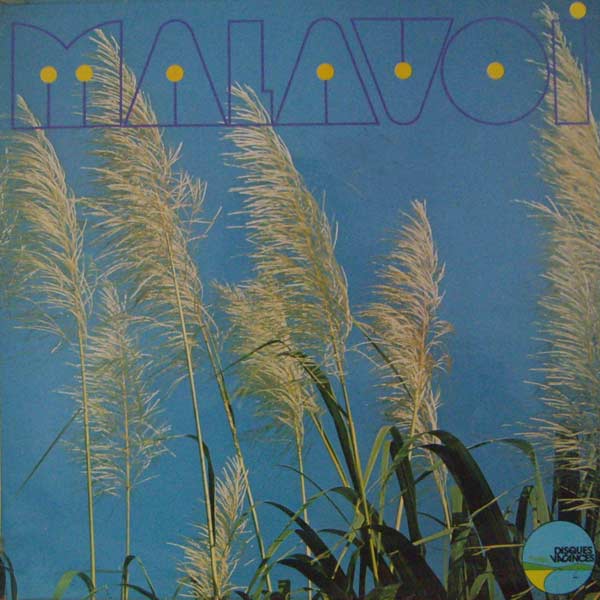
The group was named Malavoi—both a variety of sugarcane and the name of a street on Gorée Island, the embarkation port for African slaves heading to the Americas. A poetic and political choice that links Martinican plantation life to the great Atlantic drama.
From its very beginnings, Malavoi revived Antillean airs, sometimes centuries old, and infused them with new energy. Salsa, jazz, Brazilian and African influences blended with traditional rhythms. Success was immediate on the island: no ballroom event went by without the group. Soon, the lineup was enriched with brass instruments—trombones and Bib Monville’s saxophone—and pianist Paulo Rosine, who would become the musical soul of the project. The singers took turns: Pierre Pastel, Maurice Marie-Louise, Raymond Mazarin, Pierre Jabert, Julien Constance. All worked alongside another activity; success gradually led them to professional status.
Renaissance and consecration
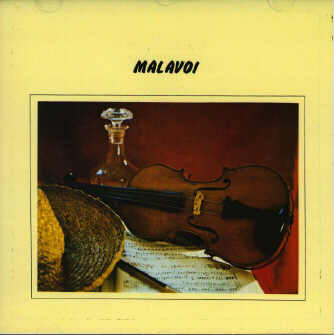
In 1978, Malavoi released his first self-titled album on the Georges Debs label. The sensual and powerful voice heard there belongs to Ralph Thamar, one of the greatest singers of the Antilles. The record met with great success, but the group felt a contradiction: it fed on covers and forgot its own compositions. Tired of always playing the same thing, they ceased all activity in 1978. A final ball took place at Lamentin, then silence.
The renaissance arrived in 1981. Paulo Rosine, now leader, had an ambitious idea: replace the brass with four violins (Denis Dantin being replaced by Philippe Porry) and a cello held by Jean-José Lagier. With congas, bongos, bass, drums and piano, Malavoi regained its definitive form. A great concert at the Centre martiniquais d’action culturelle sealed the return.
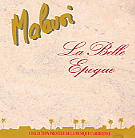
The new album, La Belle Époque, marked an aesthetic turning point. The Thamar / Alie duo delivered “Caressé moin,” a title that quickly established itself as one of the absolute classics of Antillean song. Zouel (1983) confirmed the success: the group performed at Printemps de Bourges and the Carthagène festival, and received the Maracas d’Or.
The same year, Haitian filmmaker Euzhan Palcy entrusted Malavoi with the soundtrack for Rue Cases-Nègres — the founding film of the director, which won the César for best first film in 1984. The group’s music accompanied the story of José, a Martinican child raised by his grandmother in the sugar cane fields of the 1930s. The film outperformed E.T. at the Martinican box office, and the group’s notoriety extended to the entire Antillean community in France.
Around 1985, Malavoi signed with WEA and took the stage at Olympia. In 1987, it was the Zénith, before 4,000 people. Tours followed one after another: Brazil, Canada, New Orleans, Japan, Moscow. Malavoi and Kassav’ became the two pillars of world Antillean music. Unlike Kassav’ and its electronic zouk, Malavoi maintained a sound rooted in instrumental roots.
Turning points, losses and renewals
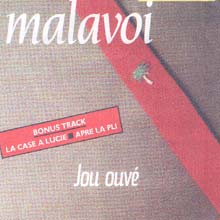
Singer Ralph Thamar left the group in 1988 for a solo career. He was replaced by Pierre-Michel “Pipo” Gertrude, whose broad and generous voice adapted to the already written repertoire. A new album, Jou Ouve (1988), was the last one with WEA. The following year, Malavoi joined CBS (future Sony Music) and discovered Japan, where he triumphed.
On January 31, 1993, the group suffered a terrible blow: Paulo Rosine died of cancer at the age of 45. Pianist, composer and arranger, he had never left his post as a civil servant at the prefecture, working on the scores at night. His death shook Martinique. On April 30, Malavoi and hundreds of artists paid tribute to him at the Palais des Sports de Paris. Jean-Paul Soïme took direction of the ensemble.
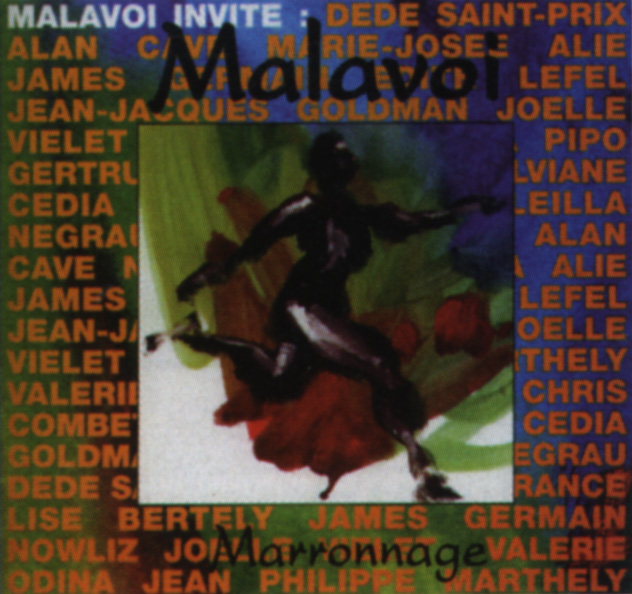
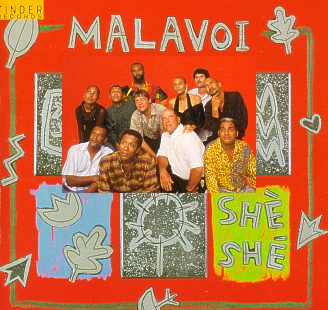
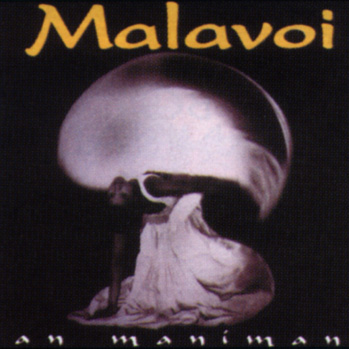
The 1990s saw Malavoi explore new paths. Matebis (1992) — a Creole title meaning “wild school” — gathered a string of collaborations with the greatest Caribbean voices: Jocelyne Beroard (Kassav’), Edith Lefel, Tanya Saint-Val, Kali, Beethova Obas. The album, recorded at Bataclan in 1993 and 1998, testifies to an open group that served as a springboard for an entire generation of Antillean artists. Followed by An Manniman (1994), She She (1996), built around the memories of an old Martinican woman, and then Marronnage (1999), which evokes the flight of slaves to the heights of the island.
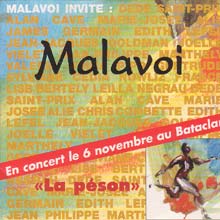
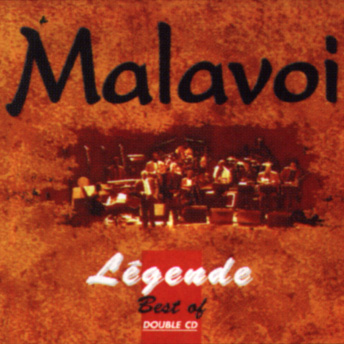
Nicol Bernard (percussion) and José Privat (piano) became the pillars of the new formation, alongside founding members who persisted — Jean-Paul Soïme, Christian de Negri, Marcel Rémion — and young newcomers like Philippe Porry. Dédé Saint-Prix, bamboo percussion and traditional flute, contributed to these records. Tours never ceased: United States, Europe, Latin America, Asia. The group recorded several live albums, including Malavoi au Zénith (1987) and Live au Bataclan.
Fifty years on stage
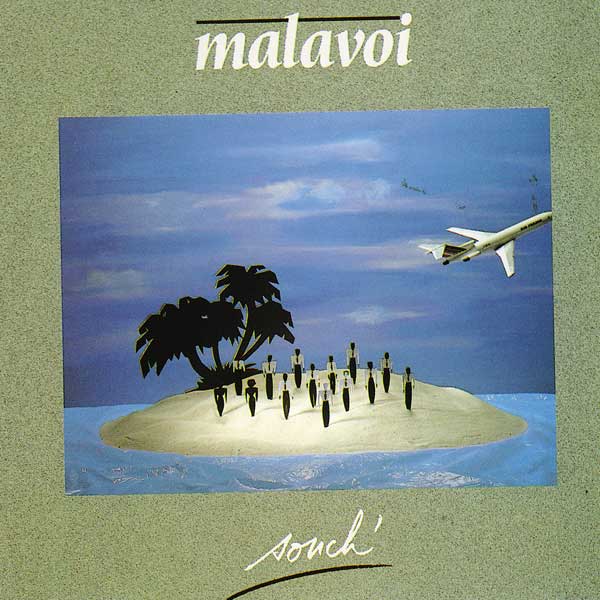
At the turn of the 2000s, Malavoi experienced a new creative phase. Souch’ (2008) and Pep la (2009) saw the return of Ralph Thamar to singing, after twenty years of absence. Oliwon (2016), under the direction of Nicol Bernard, invited voices from the new generation — Valérie Louri, Emeline Michel, Kolo Bart — to interpret titles from the repertoire. Masibol (2020) — a Creole word evoking the powerful woman — is an album of ten tracks composed by Nicol Bernard and arranged by Jacky Bernard, with Ralph Thamar still on vocals, a tribute to the women of Martinique.
In May 2022, Malavoi celebrated its 50 years of career with three concerts in metropolitan France: Bordeaux, Marseille and La Cigale in Paris on May 21. The compilation 50 ans de concerts (live remaster 2023) reminds us that the group continues to tour and record. Pipo Gertrude remains the emblematic singer, while Jean-Paul Soïme, Christian de Negri, Marcel Rémion and Philippe Porry hold together a formation that has crossed five decades without ever renouncing its identity.
Essential Discography
| Album | Year | Why It’s Essential |
|---|---|---|
| La Belle Époque | 1981 | Aesthetic turning point: Paulo Rosine removes the brass, focusing the sound on four violins and a cello; this is where the “true” Malavoi was born. |
| Zouel | 1983 | “Caressé moin,” sung by Ralph Thamar and Marie-José Alie, becomes the reference title of Antillean song; the group launches its international career. |
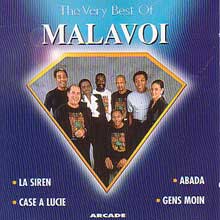
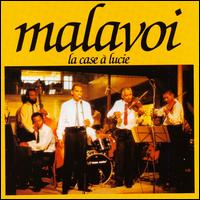
| Case à Lucie | 1986 | Third album for WEA, it proves that Malavoi, despite the Kassav’ zouk phenomenon, remains faithful to its instrumental roots. |
| Matebis | 1992 | Eight major names from the Antilles pass through the studio; the album is a showcase and a generational bridge. |
| Live au Zénith | 1987 | 4,000 Parisian spectators capture the group’s raw energy — a living reference. |
| Marronnage | 1999 | Exploration of the memory of slavery and flight into the mountains; a mirror disc of Caribbean history. |
| Pep la | 2009 | Ralph Thamar’s return to singing after 20 years. |
| Masibol | 2020 | Last studio album: tribute to the strong women of Martinique, carried by Nicol Bernard. |
Legacy and Influence
Malavoi shaped the Antillean musical landscape far longer than most of its contemporaries. The group served as a laboratory for voices that became recognized soloists: Dédé Saint-Prix, Edith Lefel, Ralph Thamar, and dozens of musicians who crossed the formation without leaving anonymously. The recordings of Malavoi contain the DNA of everything that came after — from rooted zouk to current Creole music.
Its particularity: being both a popular group that makes neighborhood balls dance and a high-precision ensemble with four-violin arrangements worthy of a chamber. Kassav’ invented electronic zouk; Malavoi proved that one could make the whole world dance with violins, congas, and bamboo. More than fifty years after their first rehearsal in Terres-Sainvilles, the Malavoi sound remains as sharp as on the first day.
Sources and References
- “Malavoi”, RFI Musique, https://www.rfi.fr/fr/musique/20220804-malavoi, accessed October 21, 2025.
- “Malavoi”, Wikipedia (EN), https://en.wikipedia.org/wiki/Malavoi, accessed October 21, 2025.
- “Notice de collectivité Malavoi”, BnF — Bibliothèque nationale de France, https://catalogue.bnf.fr/ark:/12148/cb139048082, accessed October 21, 2025.
- “Artist Profiles: Malavoi”, World Music Central, https://worldmusiccentral.org/artist-profiles-malavoi/, accessed October 21, 2025.
- “Malavoi — Biography”, AllMusic, https://www.allmusic.com/artist/malavoi-mn0000738045, accessed October 21, 2025.
- “Musiques — Mort de Paul Rosine”, Le Monde, http://www.lemonde.fr/archives/article/1993/02/02/musiques-mort-de-paul-rosine_3920651_1819218.html, accessed October 21, 2025.
- “Malavoi”, AZ Martinique, https://www.azmartinique.com/en/all-to-know/celebrities/malavoi, accessed October 21, 2025.
- “Sugar Cane Alley / Rue Cases-Nègres”, Berlinale Retrospective 2023, https://www.berlinale.de/en/2023/programme/202314763.html, accessed October 21, 2025.
- “Malavoi — RFI Musique (archive)”, Internet Archive, https://web.archive.org/web/20060603001907/http:/www.rfimusique.com/siteEn/biographie/biographie_6035.asp, accessed October 21, 2025.
- “Dédé Saint-Prix — Biography”, AllMusic, https://allmusic.com/artist/d%C3%A9d%C3%A9-st-prix-mn0000815459, accessed October 21, 2025.