Biography
Mamady Keïta: the djembefola who made the world sing
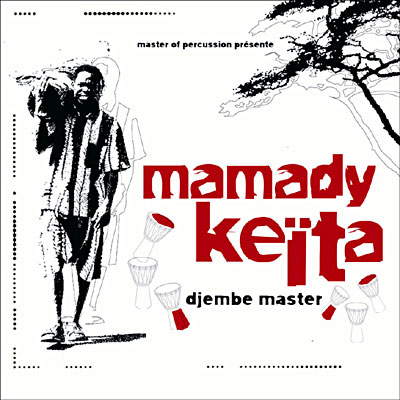
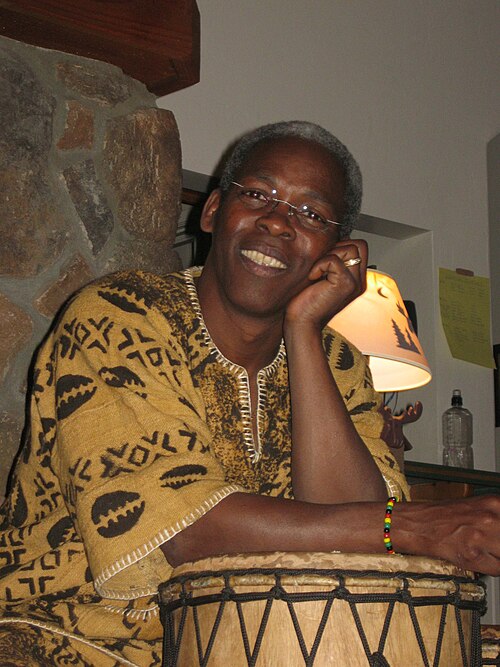
Before setting out to conquer the world, a seer predicted to his mother that her last son would bring the entire village to life under the shadow of his glory. Mamady Keïta kept his word. A little boy who tapped on pots, he became the most influential djembefola (master of the djembé — a handheld percussion instrument shaped like a bowl) in history1. Between state ballets, school in Brussels, and world tours, he spent more than fifty years transforming a traditional drum into a universal voice.
In brief
| Full name | Mamady Keïta |
| Birth | August 1, 1950, Balandougou, Siguiri region, Guinea |
| Death | June 21, 2021, Brussels, Belgium |
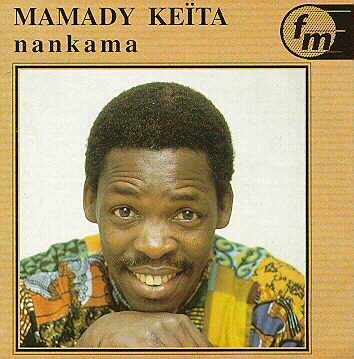
| Nicknames | « Nankama » (the one born for this) |
| Instrument | Djembé |
| Genre | West African traditional percussion |
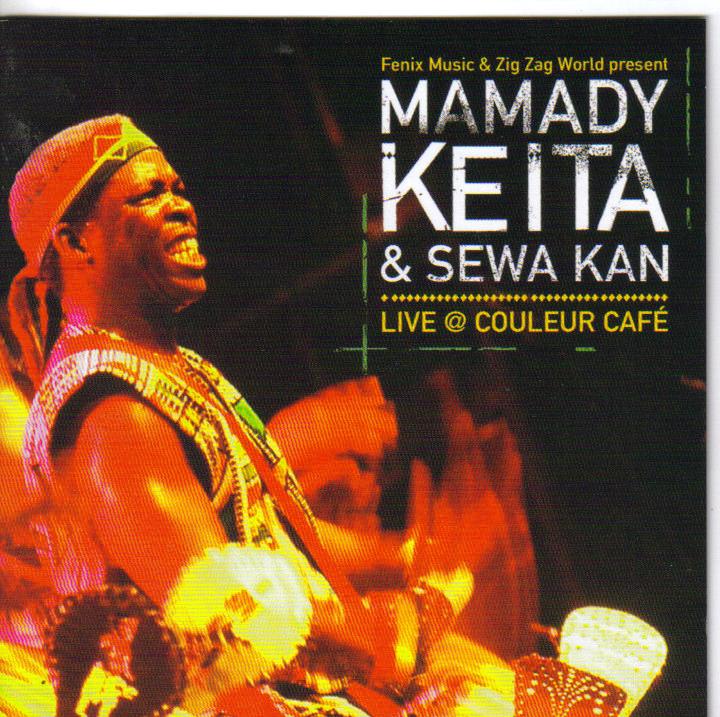
| Group | Sewa Kan |
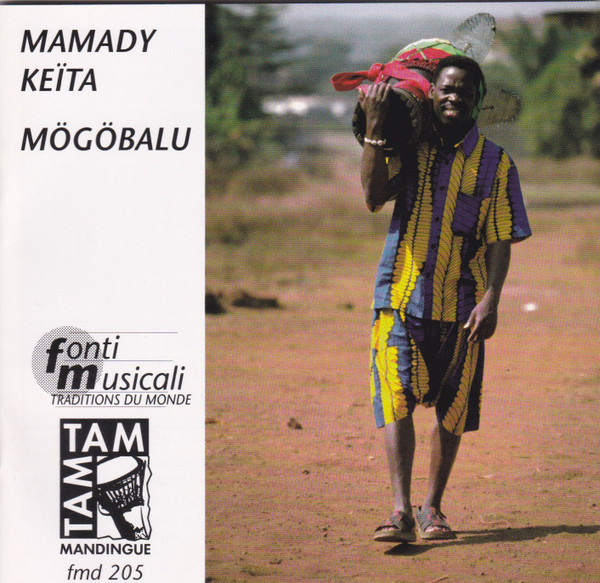
| Notable works | Wassolon, Mögöbalu, Djembefola (documentary) |
Key dates
| Year | Event |
|---|---|
| 1950 | Birth in Balandougou, Wassolon region, Guinea |
| 1957 | Initiation under Karinkadjan Kondé, master djembefola |
| 1964 | Selected by the Minister of Culture for the Ballet National Djoliba (age 14) |
| 1965 | Appointed lead soloist in djembé at age 15 |
| 1969 | Best djembefola at the Pan-African Festival in Algiers |
| 1979 | Artistic director of the Djoliba Ballet — first percussionist in this role |
| 1988 | Settled in Belgium; founded the group Sewa Kan |
| 1992 | Opening of Tam Tam Mandingue in Brussels |
| 2004 | Academy headquarters opened in San Diego |
Origins: a child destined for the drum
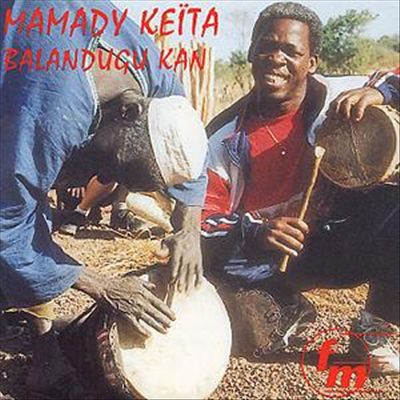
Born in 1950 in the small village of Balandougou, northeast of Guinea, Mamady Keïta grew up in the Mandingue country — that empire founded in the 13th century from which he is said to descend. A seer predicted to his mother that her last son would surpass the village’s glory boundaries. Recognizing the gift, she had a miniature djembé made for him and, at seven years old, placed him in apprenticeship with Karinkadjan Kondé. The latter taught him the three tones of the djembé (tone, slap, bass) but also the history of the Malinké people, village rituals, and a secret hand preparation using a plant that, according to him, protected them from fatigue. At twelve years old, the young man, already nicknamed « Nankama » and « Balandugudjina » (the devil of Balandougou for his intensity), mastered the rhythms of his village and joined the regional ballet of Siguiri2.
The revelation: from Djoliba Ballet to the world stage
In 1964, Guinean President Sékou Touré recruited fifty percussionists to create the Ballet National Djoliba. Out of more than 500 candidates, the young Mamady, fourteen years old, was one of only three djembé players retained. The following year, he became the lead soloist. Twenty-one years later, he was appointed artistic director — the first time a percussionist had access to this position. He then traveled all over the world: Africa, China, Europe, Australia, Soviet Union. At the Pan-African Festival in Algiers in 1969, he was elected best djembefola2.
A life’s work: school, record, and transmissions
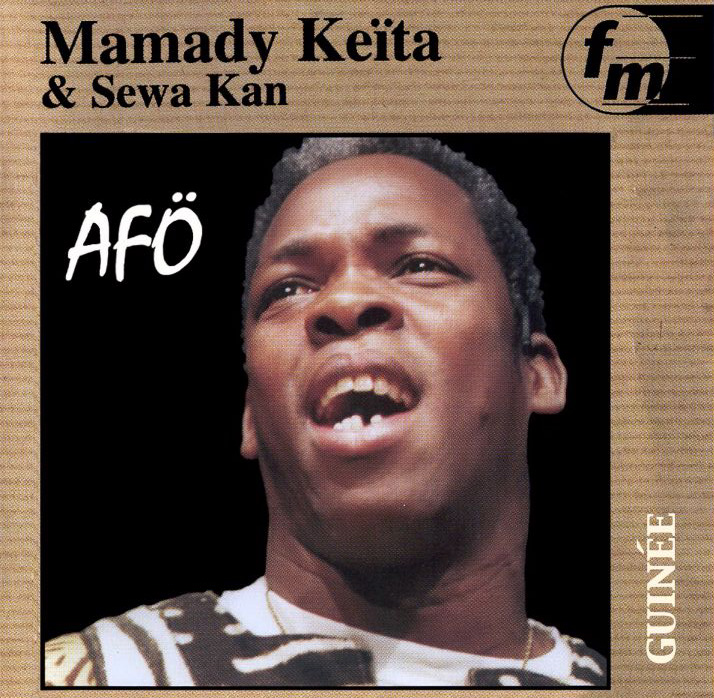
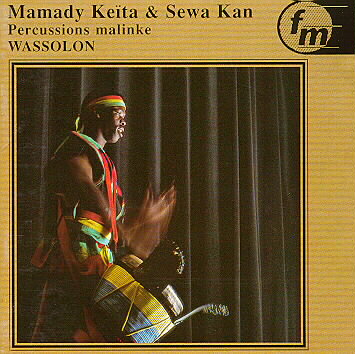
After leaving the Djoliba Ballet in 1986, Mamady settled in Belgium in 1988 and created the group Sewa Kan (whose name comes from a Malinké proverb: « Ni kan tiyen, sewa tiyen » — without music, there is no joy). He recorded his first album, Wassolon. In 1992, he opened the Tam Tam Mandingue Djembe Academy in Brussels, the first formal school worldwide dedicated to the djembé. A dozen branches subsequently opened in France, Germany, United States, Japan, and Israel. There he created the first official Mandingue music diplomas, evaluating technique on djembé and dundun (low accompanying drums) and knowledge of Malinké culture3.
Legacy
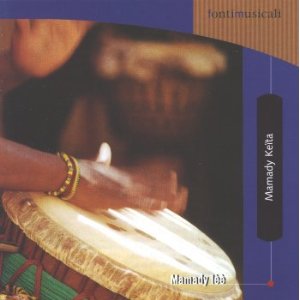
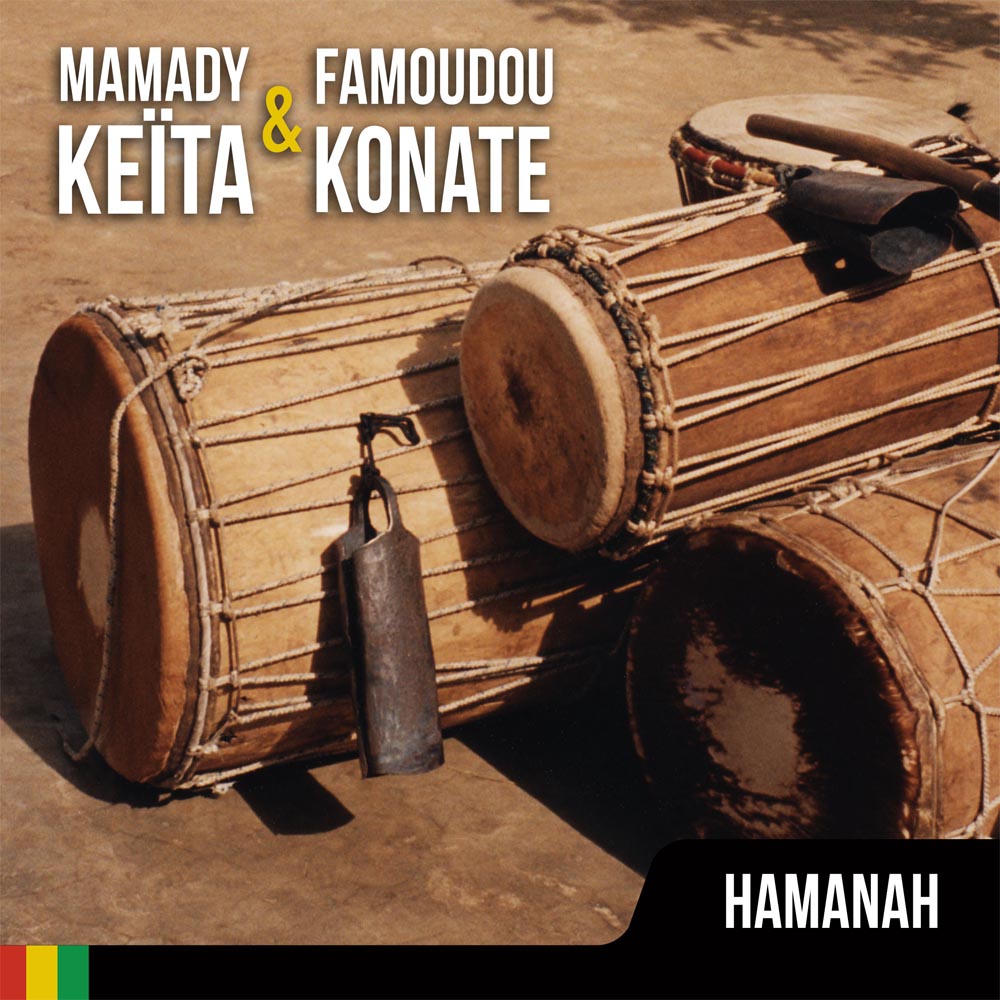
Mamady Keïta died on June 21, 2021 in Brussels, surrounded by his family. He left behind a global academy, a discography of fifteen albums — including Mögöbalu (1995), Hamanah (1996) and Mandeng Djara (2007) — and a teaching method that still trains hundreds of percussionists every year1.
Major works
| Work | Year | Why it is essential |
|---|---|---|
| Wassolon (with Sewa Kan) | 1989 | First album with his own group; title from the Wassolon region |
| Mögöbalu | 1995 | Recorded live in Conakry; legendary meeting with veterans Fadouba Oulare and Famoudou Konaté |
| A Life for the Djembé (book) | 1999 | Notation of sixty rhythms; international reference in five editions |
| Djembefola (documentary) | 1991 | Film by Laurent Chevallier; return to Balandougou; propelled the djembé into global consciousness |
Sources and references
-
Wikipedia, Mamady Keïta, accessed October 29, 2026, https://en.wikipedia.org/wiki/Mamady_Ke%C3%AFta ↩︎ ↩︎
-
Alma Records, Mamady Keita — Bio, accessed October 29, 2026, https://almarecords.com/artists/mamady-keita ↩︎ ↩︎
-
Pan-African Music, Mamady Keïta, the djembe falls silent, by Keen Lucas, June 24, 2021, accessed October 29, 2026, https://pan-african-music.com/en/mamady-keita-the-djembe-falls-silent ↩︎