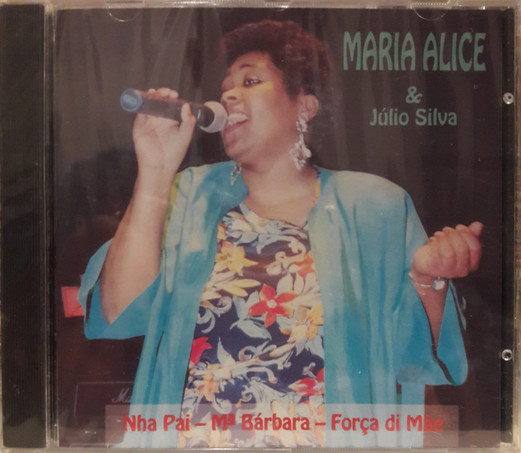
Biography
Maria Alice: the crystalline voice of Cape Verdean morna
Night falls on the beach of Santa Maria, on the island of Sal. A fourteen-year-old girl takes the stage at the International African Music Festival, in the Algarve. Her voice, soft and unadorned, silences the audience before the first chord1. Fifteen years later, this clear voice is heard in festivals from Montreal to Shanghai, while remaining faithful to the morna — that melancholic song of Cape Verde that carries within it the saudade, that deep longing born of separation.
In brief
| Full name | Maria Alice de Fátima Rocha Silva |
| Birth | October 23, 1961, island of Sal, Cape Verde |
| Genre | Morna, coladeira |
| Signature works | Ilha d’Sal, D’Zemcontre, Tocatina |
| Honors | Merit Medal of the Government of Praia (2017) |
| Influences | Cesária Évora |
Key dates
| Year | Event |
|---|---|
| 1961 | Birth on the island of Sal, Cape Verde |
| 1975 | First steps on stage at 14, in family serões |
| 1981 | Move to Lisbon, collaboration with the diaspora |
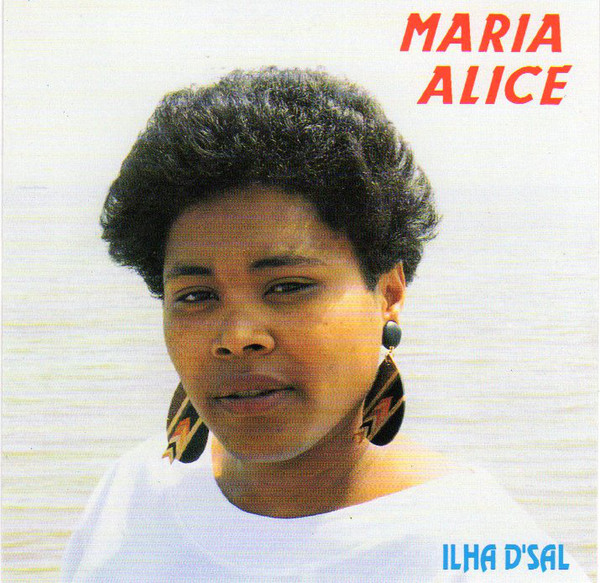
| 1994 | First album, Ilha d’Sal |
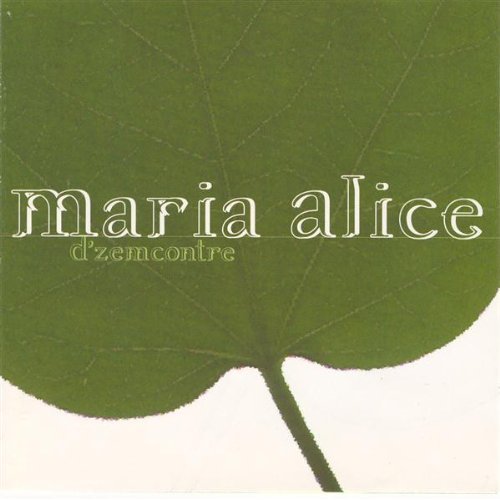
| 1996 | D’Zemcontre, with the best Cape Verdean musicians |
| 2001 | Tour Cesária Évora and Friends in Europe and China |
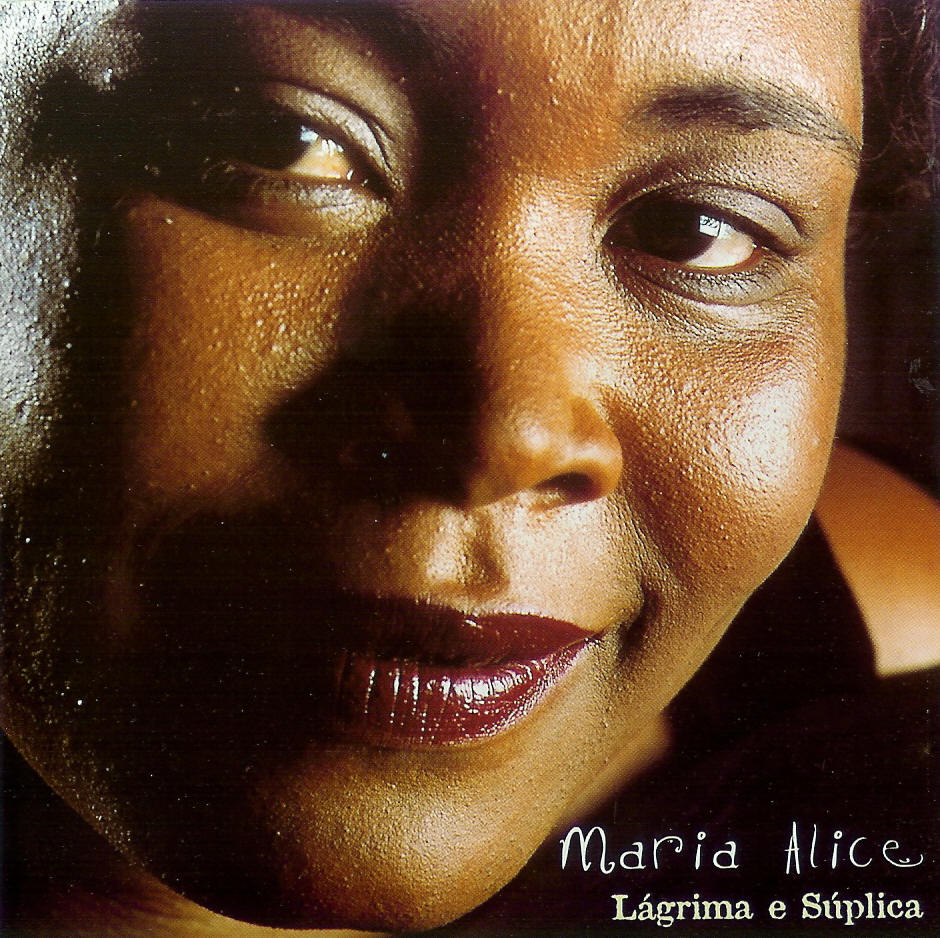
| 2002 | Lágrima e Súplica |
| 2008 | Tocatina, return after eight years of absence |
| 2017 | Merit Medal of the Government of Praia |
From the island of Sal to Lisbon stages
Maria Alice de Fátima Rocha Silva was born on October 23, 1961, on the island of Sal2. This small desert island of Cape Verde hosts the international airport of the islands — a natural crossroads between Europe, America, and Africa. Young Maria Alice grew up to the rhythm of the serões, these family musical evenings where mornas and coladeras are passed down. At fourteen, she began singing in public, performing in new talent competitions. Her soft voice attracted passing musicians.
In 1981, she settled in Lisbon. Upon arrival, she collaborated with Cape Verdean musicians settled in Portugal and became a regular presence at the Ritz Club and B.Leza, two legendary venues of the Lusophone diaspora scene3. Her crystalline, sensual, and intense voice did not take long to earn comparisons to the legendary Cesária Évora. Maria Alice cultivated her own style, blending swing and sensitivity.
Revelation and international glory
The first album, Ilha d’Sal, was released in 1994 and made a sensation4. Followed two years later by D’Zemcontre, recorded in Lisbon with the best musicians of the archipelago — Armando Tito, Manuel Pris, Nandinho. This work laid the aesthetic foundations of Maria Alice’s career: an acoustic model, a preference for young Cape Verdean songwriters and musicians, Ramiro Mendes, Jorge Humberto, Luís Lima.
During the 1990s and 2000s, Maria Alice traveled the world. She performed at Expo 94 in Seville, Expo 98 in Lisbon, the Montreal Jazz Festival, the Santa Maria festival, in Shanghai, and in Moscow. She joined the Cesária Évora and Friends tour, which took her to England, Switzerland, Sweden, Germany, and France, recorded live in Paris5. She participated in the Women of Cape Verde project alongside Lura and Nancy Vieira, and recorded on prestigious compilations such as The Rough Guide to the Music of Cape Verde, where her morna Falso Testemunho appears alongside Évora.
In 2001, on tour with Cesária Évora, the latter invited her — along with Lura and Ildo Lobo — to discover new horizons: “She opened a window for us,” she told Lusa6. Maria Alice reflected deeply on the globalization of Cape Verdean music: “The morna, we sing it in Creole and in Portuguese. It is the Cape Verdean soul.”
Ten years of waiting and recognition
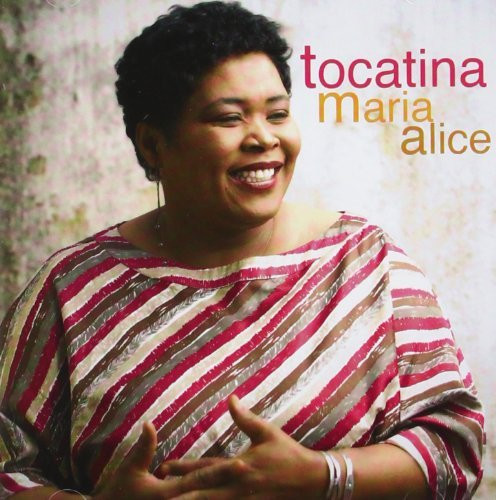
Her fourth album, Tocatina, was released in 20087. It marked a return after eight years away from studios and stages. A project dedicated to her father, it contains only mornas — the album of her dreams, which she confided to Lusa: “I had long wanted to record an album of mornas. My producer, Humberto Ramos, told me to go for it, and Tocatina was born.”
In 2017, the Government of Praia awarded her the Merit Medal, official recognition for a career that carried the morna and coladeira to the four corners of the globe7.
Major works
| Work | Year | Why it is essential |
|---|---|---|
| Ilha d’Sal | 1994 | First album; establishes a young and authentic Cape Verdean voice |
| D’Zemcontre | 1996 | Aesthetic starting point: acoustic, collaboration with the best |
| Lágrima e Súplica | 2002 | Deepening of themes of sorrow, regret, and resilience |
| Tocatina | 2008 | Return after eight years; hymn to pure morna |
Legacy
Maria Alice is one of those voices that carried Cape Verdean music across oceans without distorting it2. Her morna bears the imprint of an island — that of Sal, a land of passage — and the tenacity of a woman who knew how, without ever repeating herself, to make saudade a universal music. She walked in Cesária Évora’s footsteps, but traced a path that is her own: a style where the cavaquinho, violin, and viola de dez cordas dialogue with the fragility of a song that shows that the morna continues to live, carried by young composers like Jon Luz.
Sources and references
-
AllMusic, Maria Alice — Biography by Craig Harris, accessed 2026. ↩︎
-
Wikipedia (pt), Maria Alice (Cape Verdean singer), 2017. ↩︎ ↩︎
-
Wikipedia (es), Maria Alice, updated 2020. ↩︎
-
Caboverde-info, Maria Alice by the editorial team, accessed 2026. ↩︎
-
Liveroofs, review of Maria Alice, accessed 2026. ↩︎
-
Lusa / Diário Digital, Cabo-verdiana Maria Alice presents Tocatina, Lusa interview, October 2008. ↩︎
-
RDP — Rádio e Televisão de Portugal, Governo de Cabo Verde condecora em Lisboa sete personalidades das artes, 2017. ↩︎ ↩︎