Biography
Mayaula Mayoni: From the Football Pitch to Congolese Rumba
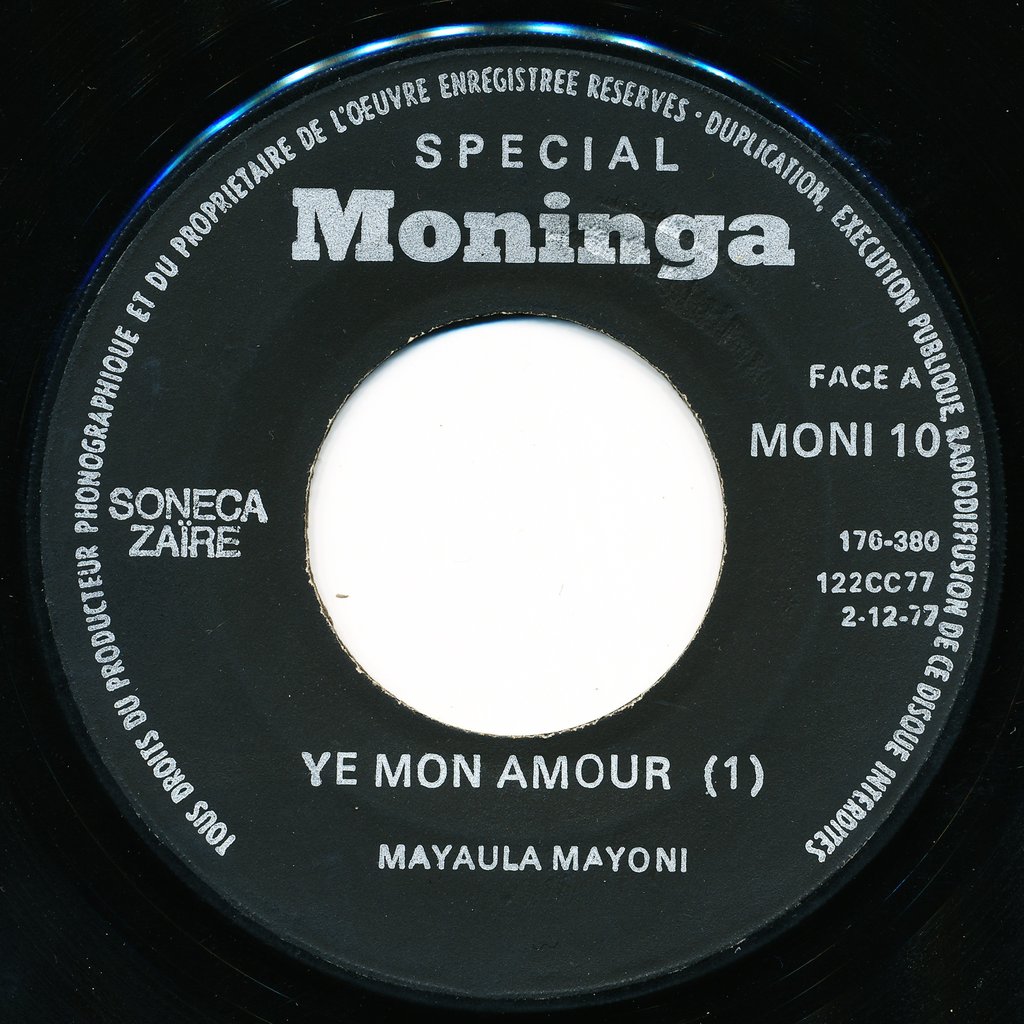
In January 2004, in Dar es Salaam, composer Freddy Mayaula Mayoni lost the right side of his body. A stroke struck a man who, at fifty-seven years old, had already lived two lives — that of an international Zairian footballer and that of one of the most prolific authors of Congolese rumba. He passed away in Brussels on May 26, 2010, leaving behind a catalogue of songs that shaped the sound of Zaire from the 1970s to the 1990s1.
In Brief
| Full Name | Freddy Mayaula Mayoni |
| Birth | November 6, 1946, Léopoldville (Kinshasa) |
| Death | May 26, 2010, Brussels, Belgium |
| Genre | Soukous, Congolese rumba |
| Instruments | Rhythm guitar, vocals |
| Bands | TPOK Jazz, Mamaki, Africana |
Key Dates
| Year | Event |
|---|---|
| 1946 | Birth in Léopoldville, Kalamu district |
| 1962 | Teacher’s diploma from Collège de Kisantu |
| 1968-1971 | Left winger for AS Vita Club and the national Leopards team |
| 1973-1975 | Studies in Charleroi; learning guitar; member of Africana |
| 1975 | Return to Kinshasa; joining Franco’s TPOK Jazz |
| 1976 | Bondowe II; first prize for composer of the year |
| 1977 | Co-founding of the trio Mamaki |
| 1979 | Nabali misère, continental hit; 3rd prize for composer |
| 1981-1984 | African period (Togo, Côte d’Ivoire, Kenya); Disc-Orient albums |
| 1985 | Settlement in Europe; solo career |
| 1992 | L’Amour au Kilo, classic soukous album |
| 2004 | Stroke in Dar es Salaam — hemiplegia |
| 2010 | Death in Brussels |
From the Pitch to the Microphone
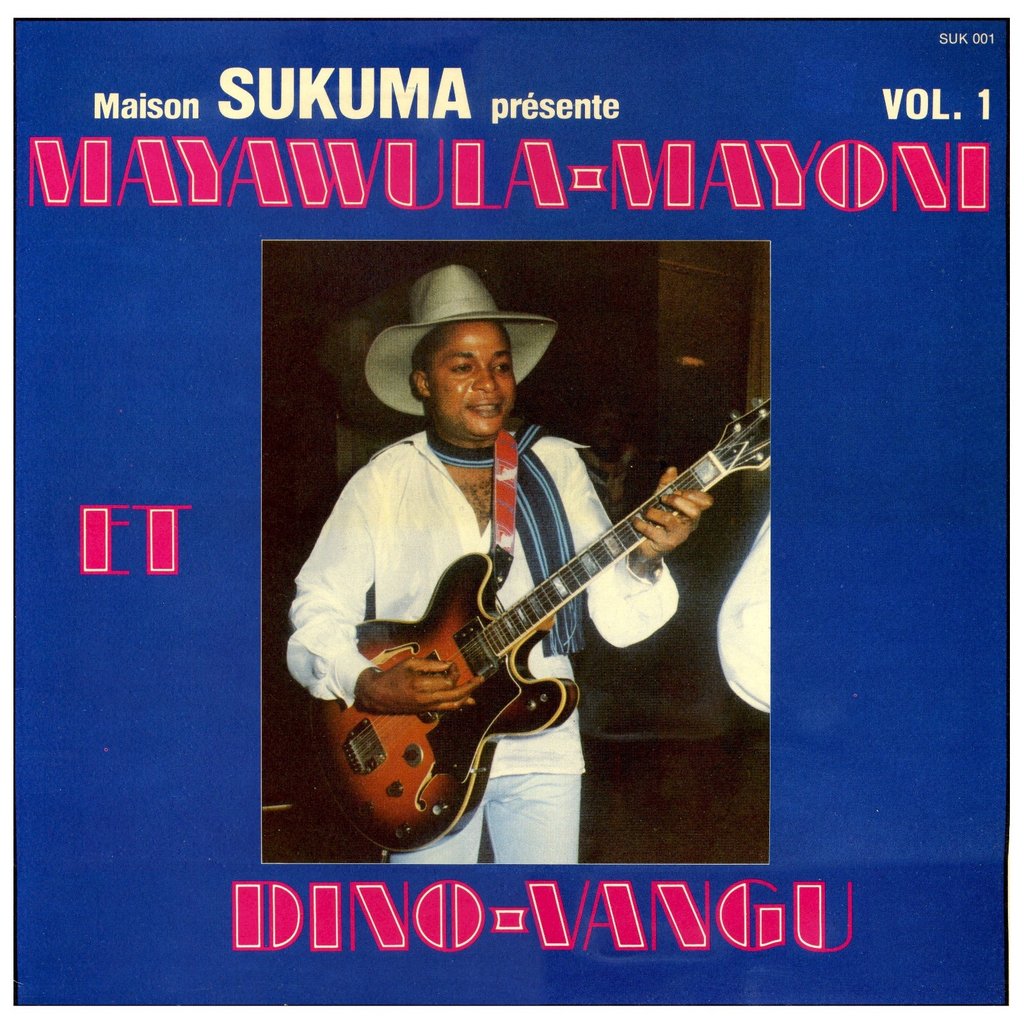
Freddy Mayaula Mayoni grew up in the Kalamu district of Léopoldville (Kinshasa), in a family whose father was a diplomatic official. In 1962, he earned a teacher’s diploma from Collège de Kisantu, but his true passion was football. Between 1967 and 1971, he established himself as the left winger for AS Vita Club. His dribbling talent earned him a selection for the national team, the Leopards, in 1968. His sports career ended when he followed his father to Tanzania during a diplomatic posting in Dar es Salaam, before settling in Belgium for computer science studies in Charleroi. It was there that a classmate lent him a guitar, and Mayaula taught himself before joining Africana, a Congolese student orchestra. Upon returning to Kinshasa in 1975, he approached Franco Luambo Makiadi, his former club president at AS Vita, and joined TPOK Jazz1.
The Golden Years
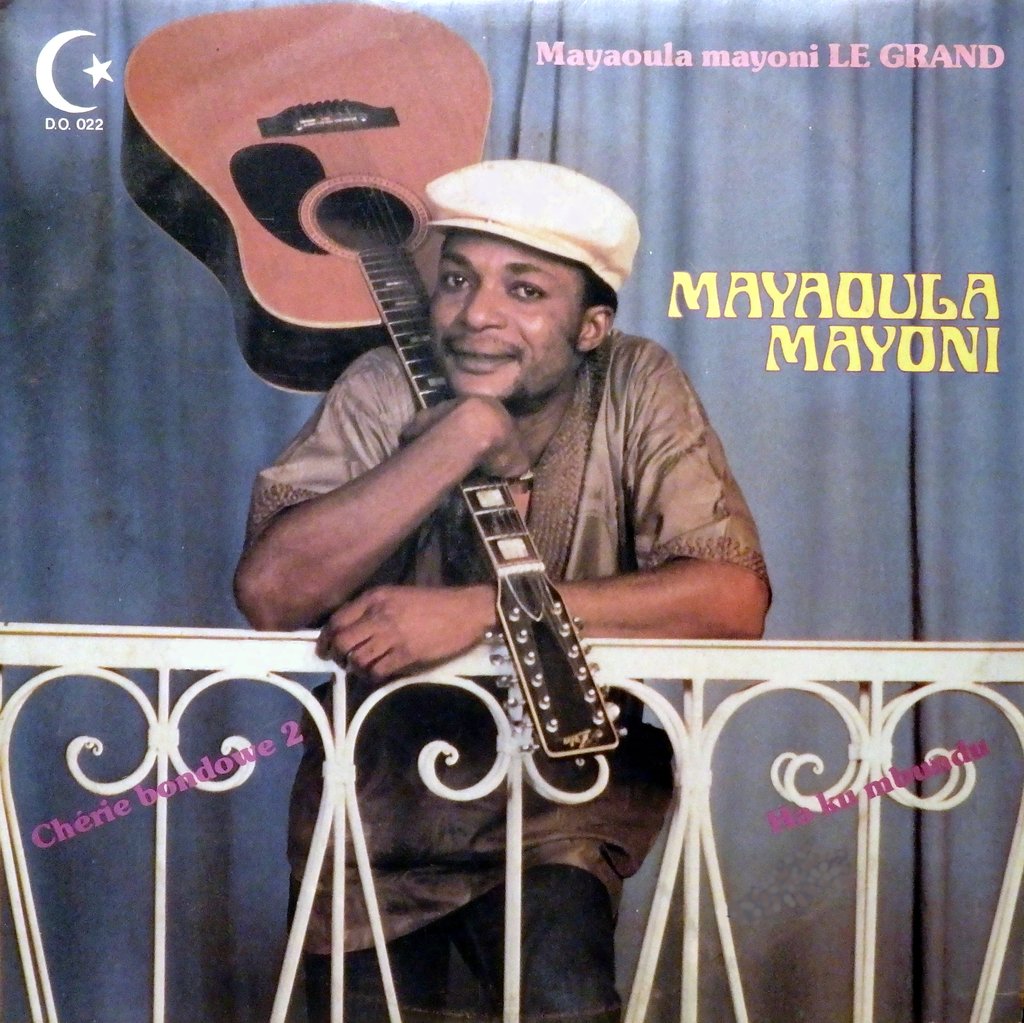
His first composition, Chérie Bondowe (1975), narrates the life of a prostitute seen from the inside. The National Censorship Commission banned the title, accusing it of promoting prostitution. But the ban paradoxically worked in his favor: Franco and TPOK Jazz re-recorded the song in Brussels under the name Bondowe II, which became a global hit. The title entered the Zairian lexicon, with the expression Kobala Misère now designating the idea of having married an unlucky husband1.
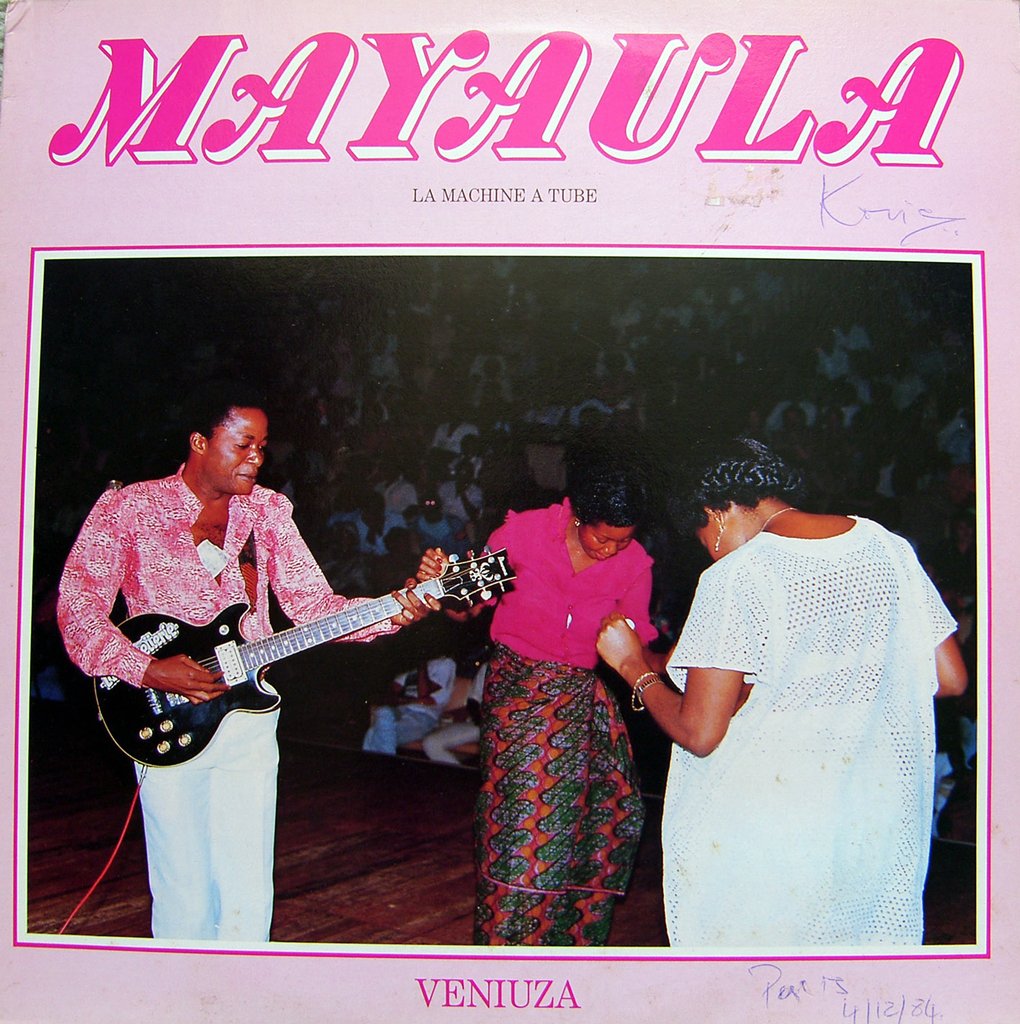
Between 1975 and 1980, Mayaula established himself as one of the most fertile talents on the Congolese scene. He composed Ndaya for M’Pongo Love in 1976, Momie for TPOK Jazz, and co-founded the trio Mamaki with Youlou Mabiala and Josky Kiambukuta in 1977. In 1979, Nabali misère achieved immense continental resonance. That same year, he won a new composer of the year prize2.
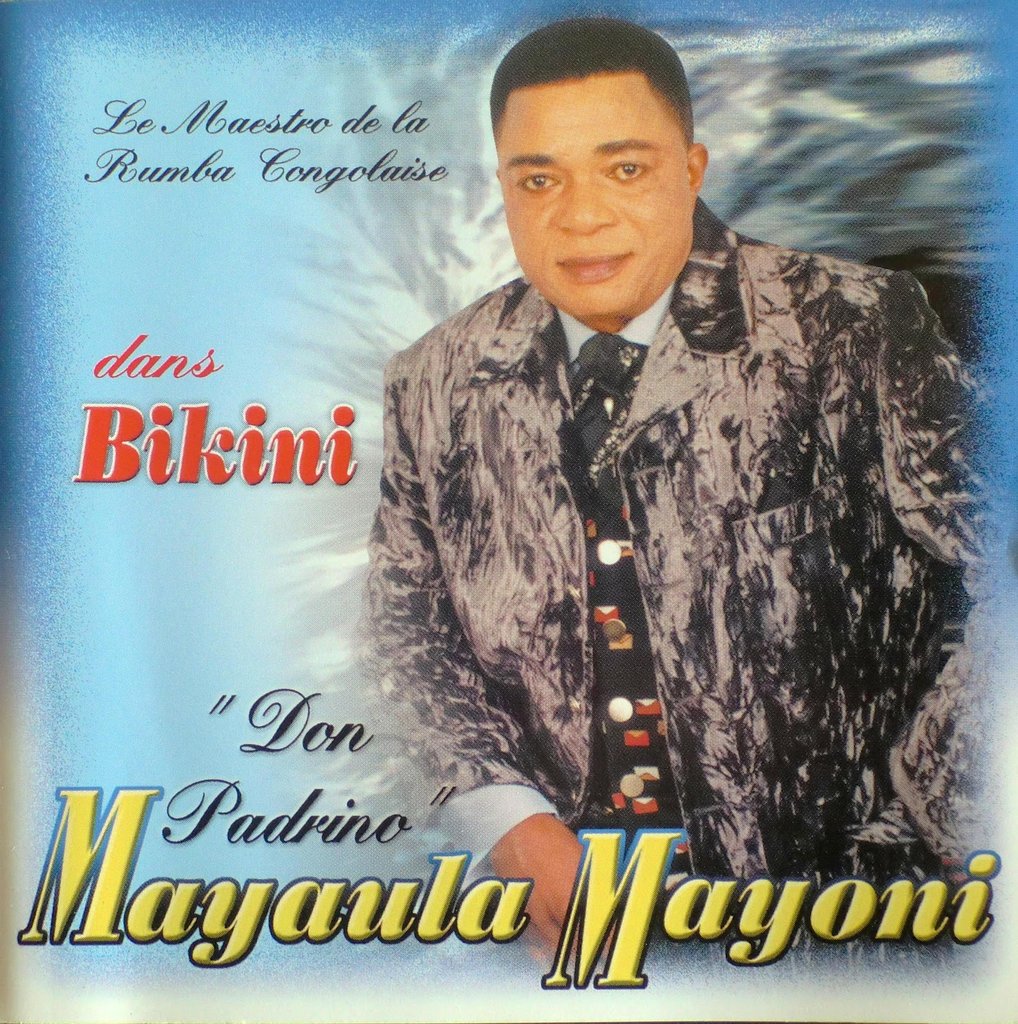
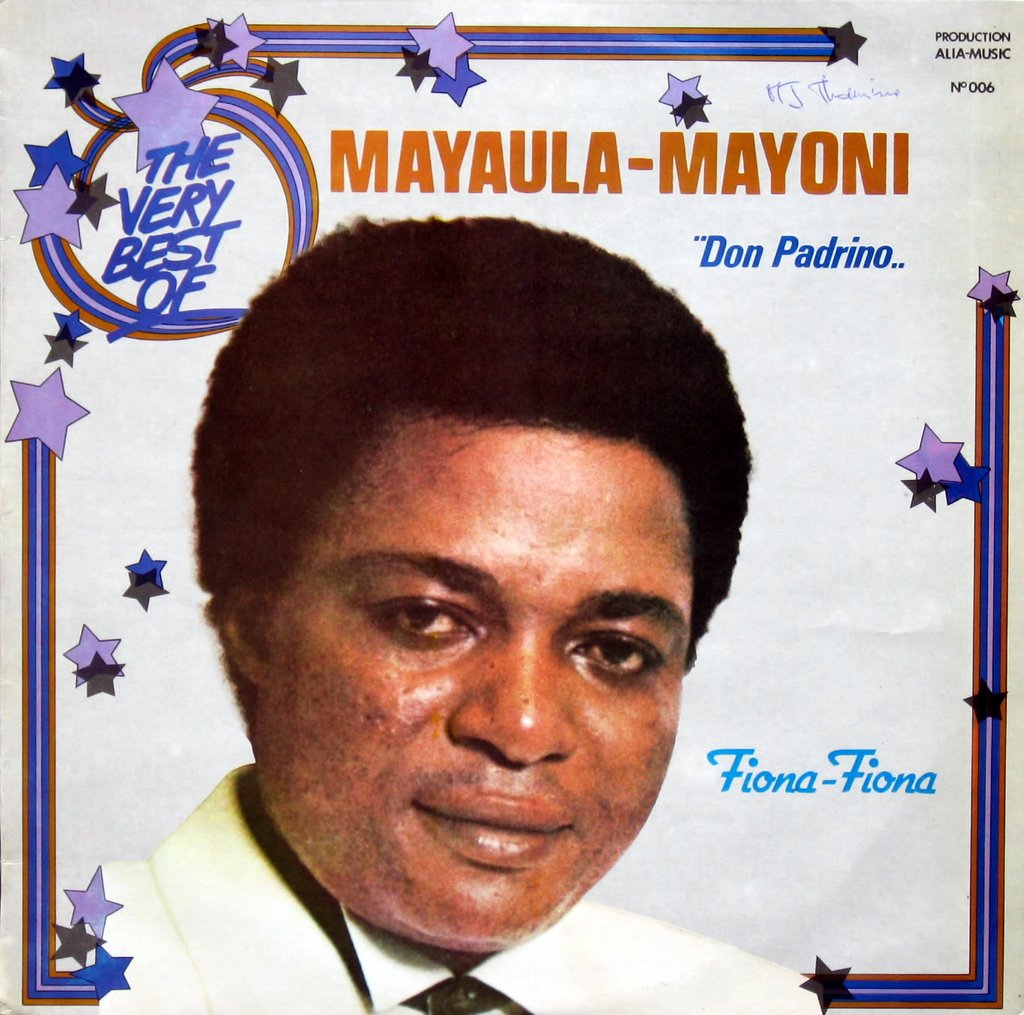
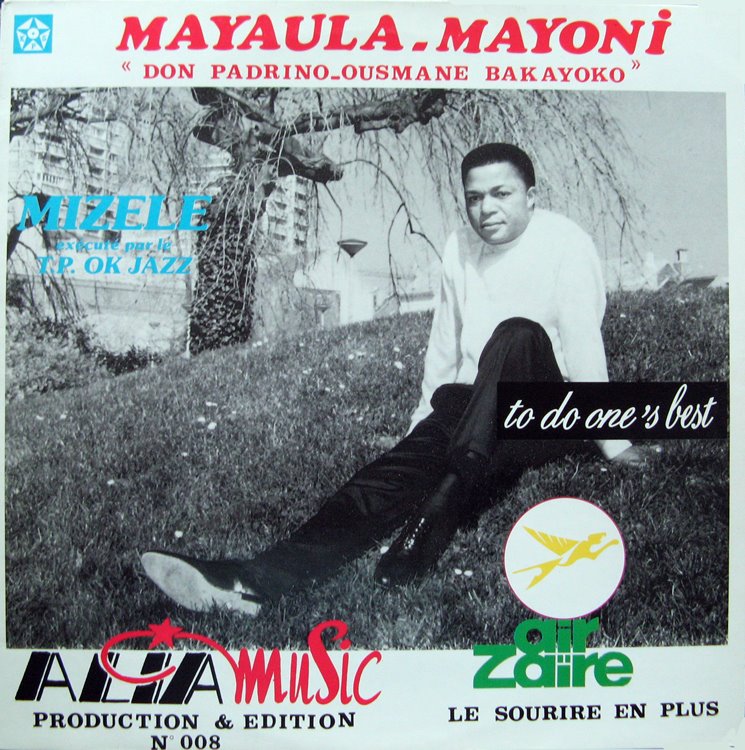
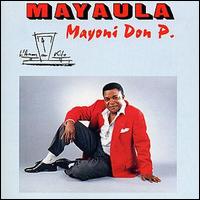
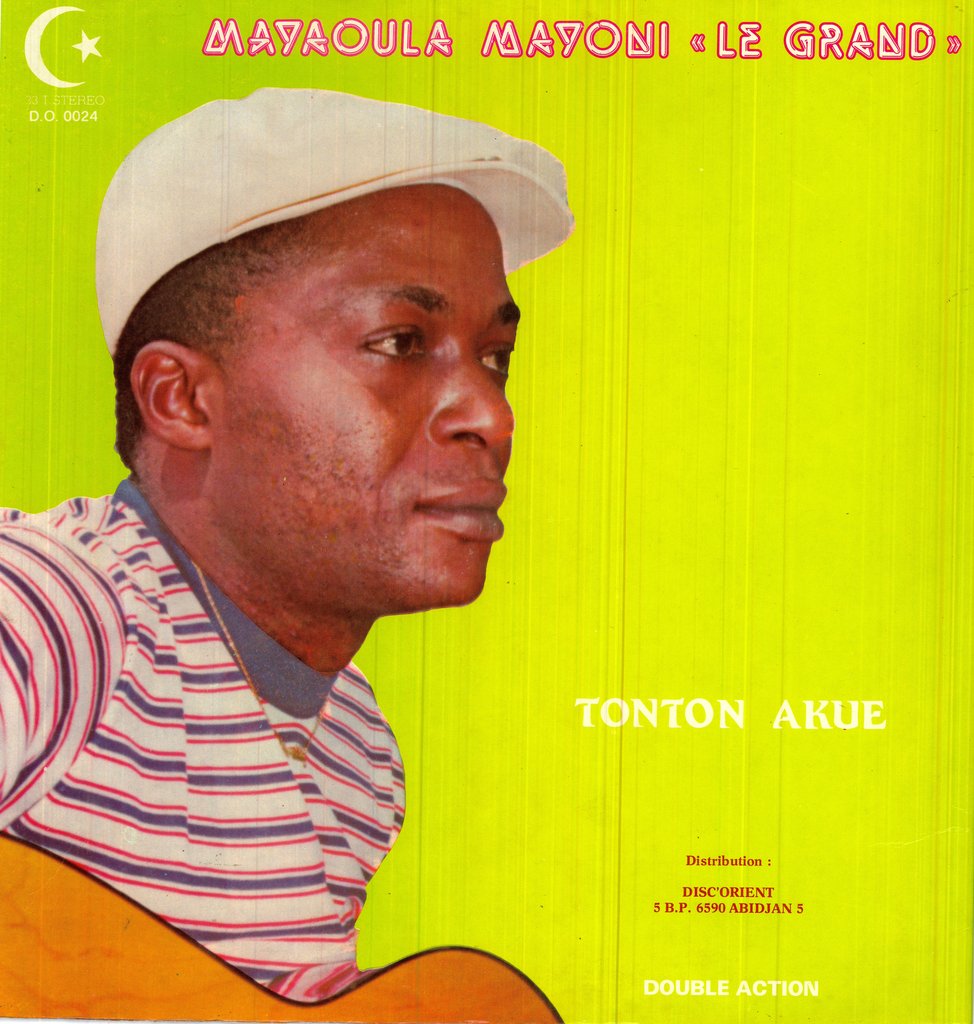
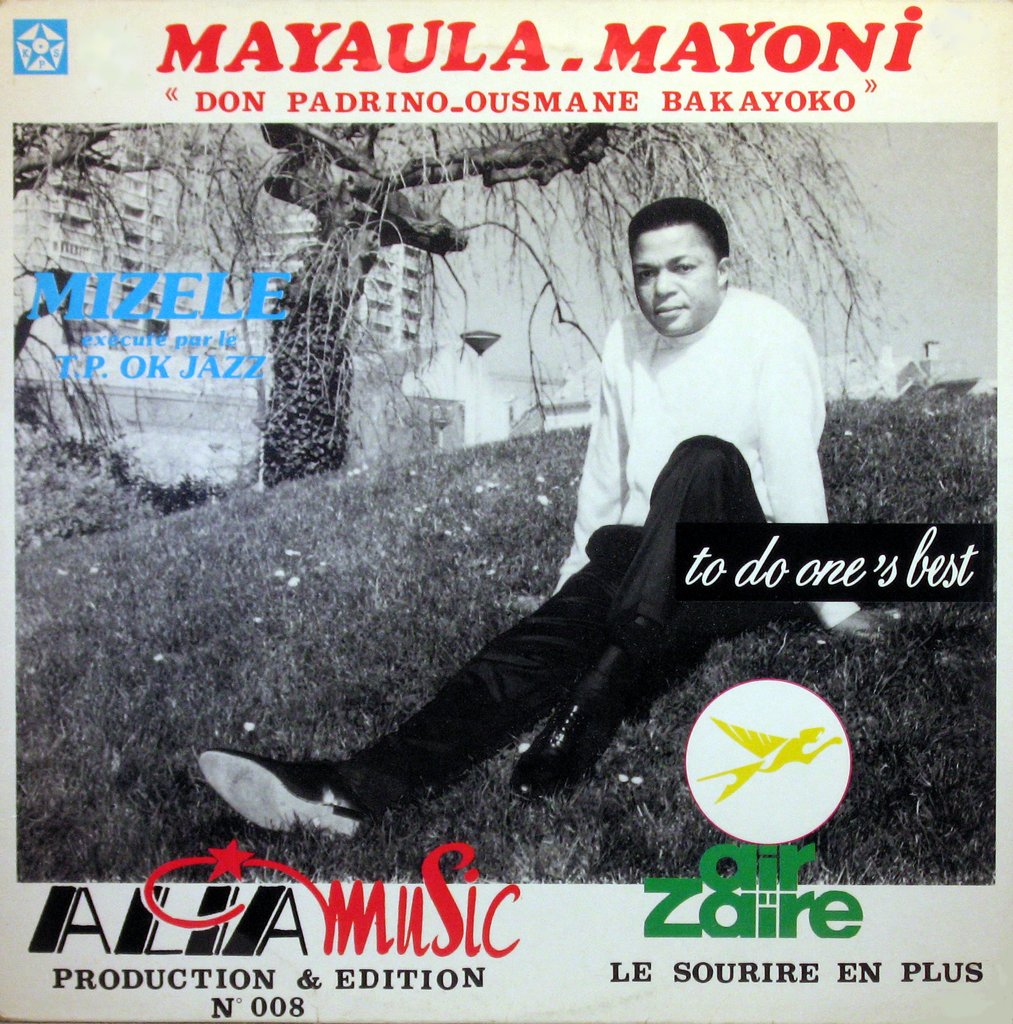
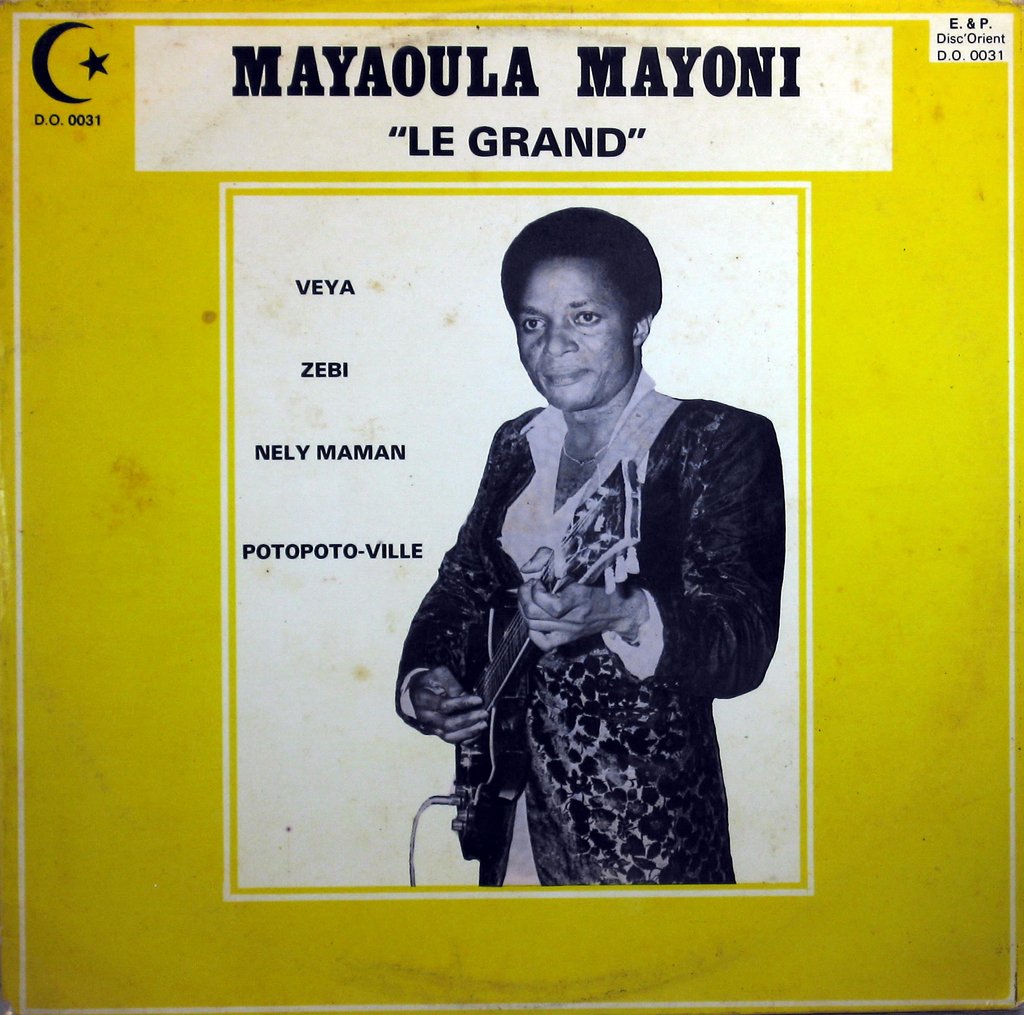
In 1981, Mayaula embarked on an African period in Togo, Côte d’Ivoire, and Kenya, where he recorded several albums for Gérard Akueson’s Disc-Orient label. After his definitive settlement in Europe, he returned to Kinshasa and released Fiona-Fiona (1987), Mizélé (1990), and above all L’Amour au Kilo (1992), considered his masterpiece. The album produced the hits Ousmane Bakayoko and Doudou a Mwen, acclaimed in Kinshasa, Brazzaville, and Paris3.
The Difficult Years and Legacy
In January 2004, in Dar es Salaam, a stroke left him hemiplegic. Repatriated to Kinshasa in 2005, he received neither support from the music profession nor royalties that should have protected him. His family vainly solicited the competent ministries to obtain medical care in Europe. It was only in 2007, thanks to the network of the Artiste en danger association, that Mayaula could finally travel to Brussels for treatment4.
His niece Elfia Elesse has been working since then to transmit his work. In 2026, Mayaula’s songs are the subject of a pedagogical project at the Institut des arts du spectacle de Kinshasa, intended for young musicians5.
Major Works
| Work | Year | Why It Is Essential |
|---|---|---|
| Bondowe II | 1976 | First hit, censored then global; launched the career |
| Ndaya | 1976 | Became a hymn, performed by M’Pongo Love |
| Nabali misère | 1979 | Continental hit; expression entered the Zairian lexicon |
| Mamaki | 1977 | Legendary trio with Youlou Mabiala and Josky Kiambukuta |
| L’Amour au Kilo | 1992 | Soukous masterpiece; flagship album of his solo career |
| Ousmane Bakayoko | 1992 | Fourth prize for composer; repertoire classic |
Legacy
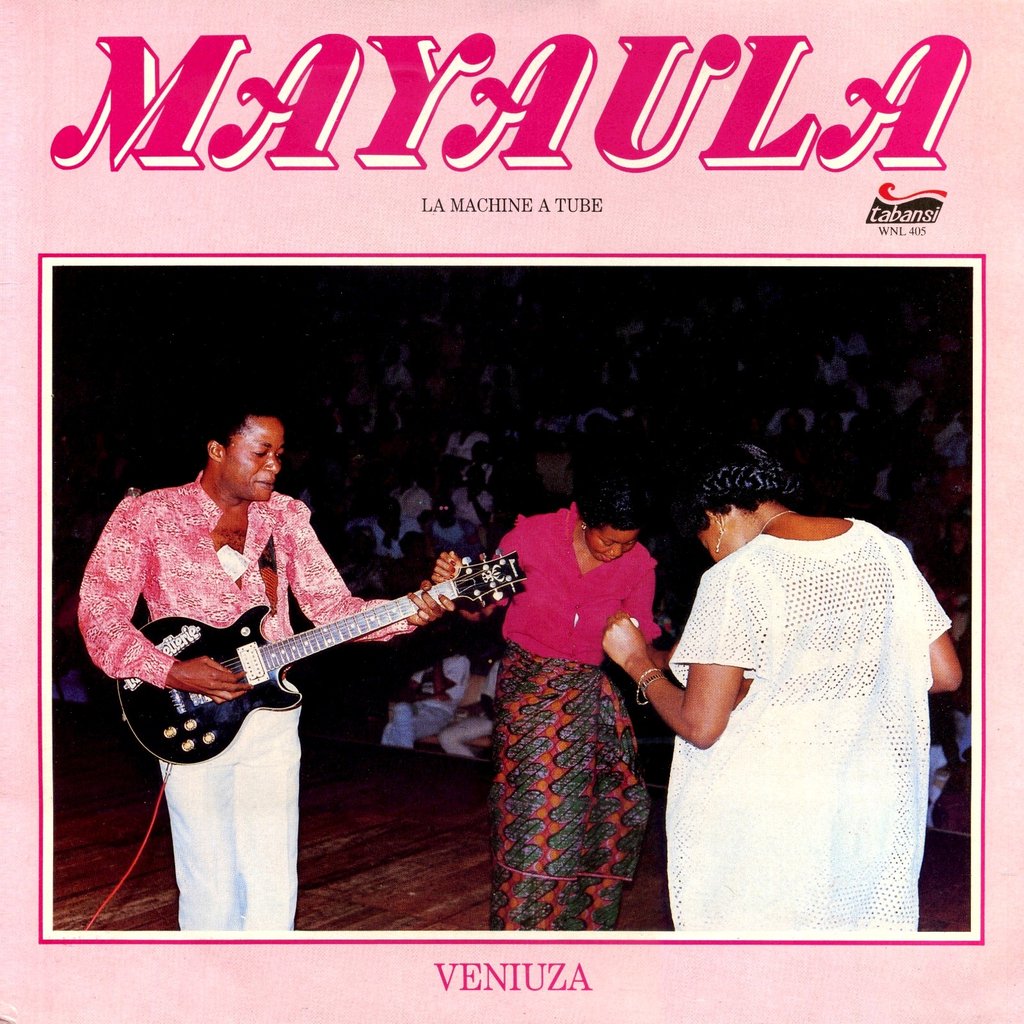
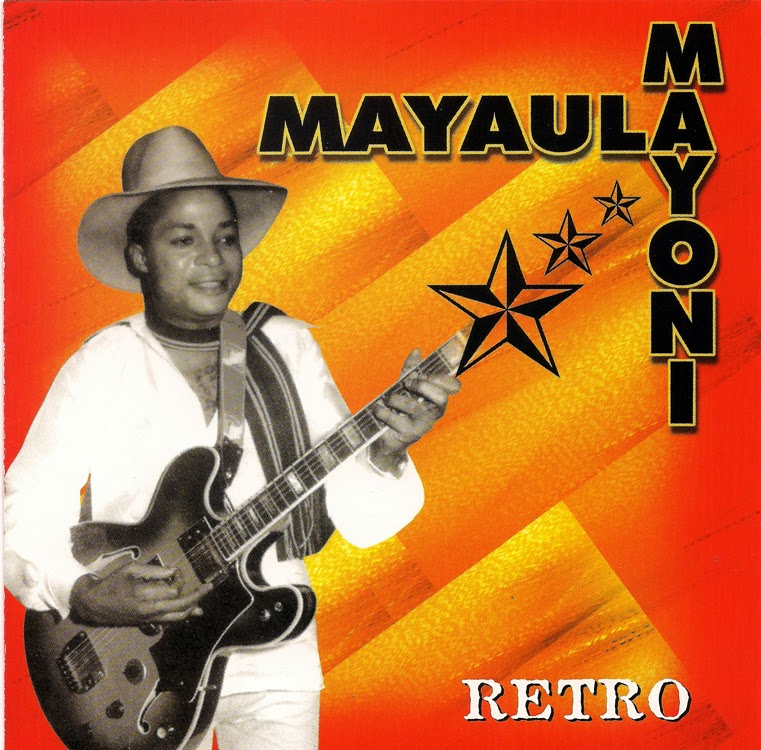
Mayaula Mayoni was never a stage singer nor a permanent member of TPOK Jazz, but he built one of the richest discographies in Congolese rumba6. His story remains that of a self-taught artist — a footballer who picked up a guitar in Belgium and made it into a legendary instrument. The title Nabali misère is no longer just a song: it is a popular expression, a living legacy that young musicians in Kinshasa are preparing to pass on.
Sources and references
-
AfricOriginal (World Music Network), Freddy Mayaula Mayoni 1946-2010, May 2012 ↩︎ ↩︎ ↩︎
-
Wikipedia (FR), Mayaula Mayoni, accessed November 15, 2026 ↩︎
-
Gary Stewart, Rumba on the River, World Music Network ↩︎
-
Radio Okapi, Freddy Mayaula passes away in Brussels, May 28, 2010 ↩︎
-
ACP (Agence d’Information d’Afrique Centrale), DRC: works by Mayaula Mayoni at the heart of an artistic education project, May 26, 2026 ↩︎
-
Univers Rumba Congolaise, biography of Freddy Mayaula, July 10, 2012 ↩︎