Biography
Mayra Andrade: the cosmopolitan voice of Cape Verde
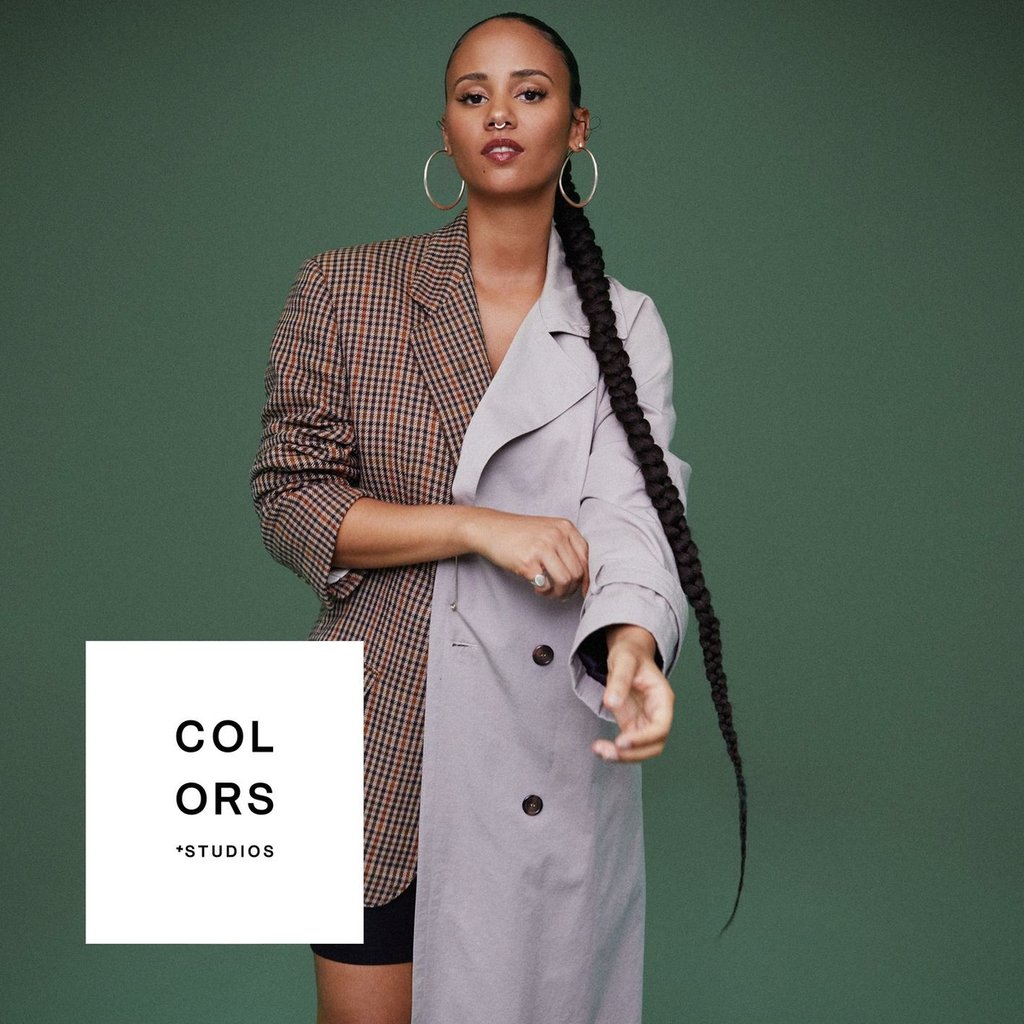
At sixteen, Mayra Andrade won first prize in the songwriting competition at the Francophonie Games in Ottawa. Twenty years later, she performed at London’s Union Chapel before an audience captivated by a music that refuses all borders. Born in Havana, raised between Senegal, Angola and Germany, first settled in Paris then Lisbon, the Cape Verdean singer embodies a nomadic generation that makes of the ocean its bridge rather than its prison1.
In brief
| Full name | Mayra Andrade |
| Birth | 13 February 1985, Havana (Cuba) |
| Nationality | Cape Verdean |
| Genre(s) | Morna, funaná, batuque, jazz, world music |
| Instrument(s) | vocals, guitar |
| Languages | Cape Verdean Creole, Portuguese, French, English |
| Honours | Order of the Volcano (1st class, 2010), BBC Radio 3 World Music Awards (Newcomer, 2008) |
Key dates
| Year | Event |
|---|---|
| 1985 | Born in Havana, Cuba, to Cape Verdean parents |
| 1990-2001 | Nomadic childhood: Senegal, Angola, Germany |
| 2001 | Gold medal at the Francophonie Games songwriting competition in Ottawa |
| 2002 | Settled in Paris at age 17; began vocal lessons |
| 2006 | Release of first album Navega |
| 2008 | Newcomer Award at BBC Radio 3 World Music Awards |
| 2010 | Live album Studio 105; Order of the Volcano (1st class) |
| 2013 | Lovely Difficult, more pop-oriented album, nominated for Victoires de la Musique |
| 2016 | Settled in Lisbon |
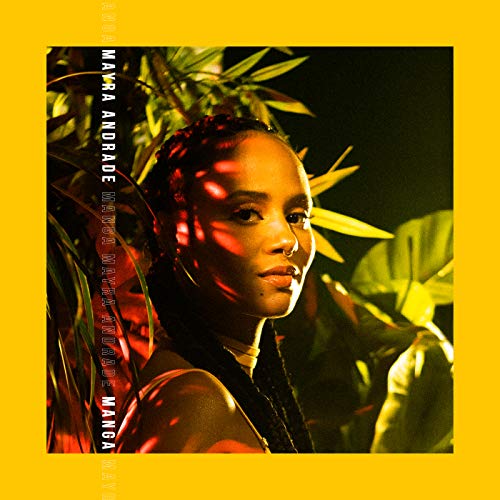
| 2019 | Fifth album, Manga |
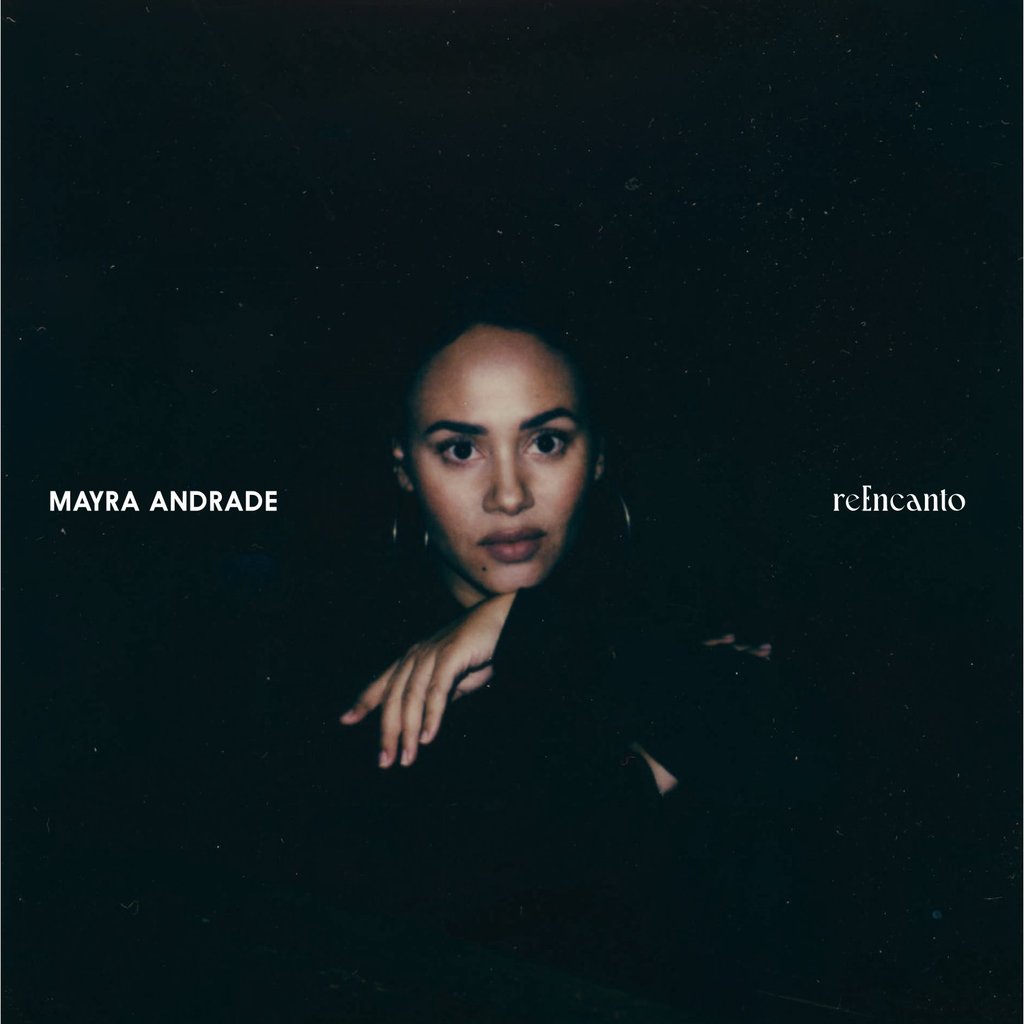
| 2024 | reEncanto, live album recorded at London’s Union Chapel |
Roots, genres and commitment
Mayra Andrade’s musical universe was forged long before her first album. Her father, a soldier engaged in Cape Verde’s independence war, had arranged for his wife to give birth in Havana for medical reasons. Upon returning to Cape Verde, Mayra grew up on the island of Santiago, where she spends about two months each year2. This island is the stronghold of funaná and batuque, two percussive African styles that the colonial elite despised. It is precisely this music that captivates the young woman.
By chance of migration, she heard Césaria Évora for the first time at age twelve. The “barefoot diva” became her mentor. “It is the audience that decides whether to lift you up or let you fall,” she advised her3. Mayra will never forget. Later, she met Orlando Pantera, an innovative composer who renewed Cape Verdean music by fusing African rhythms with Portuguese melodies. When Pantera died in 2001 at thirty-three, he had not yet published any album. Mayra then chose to sing his tracks to carry on his legacy.
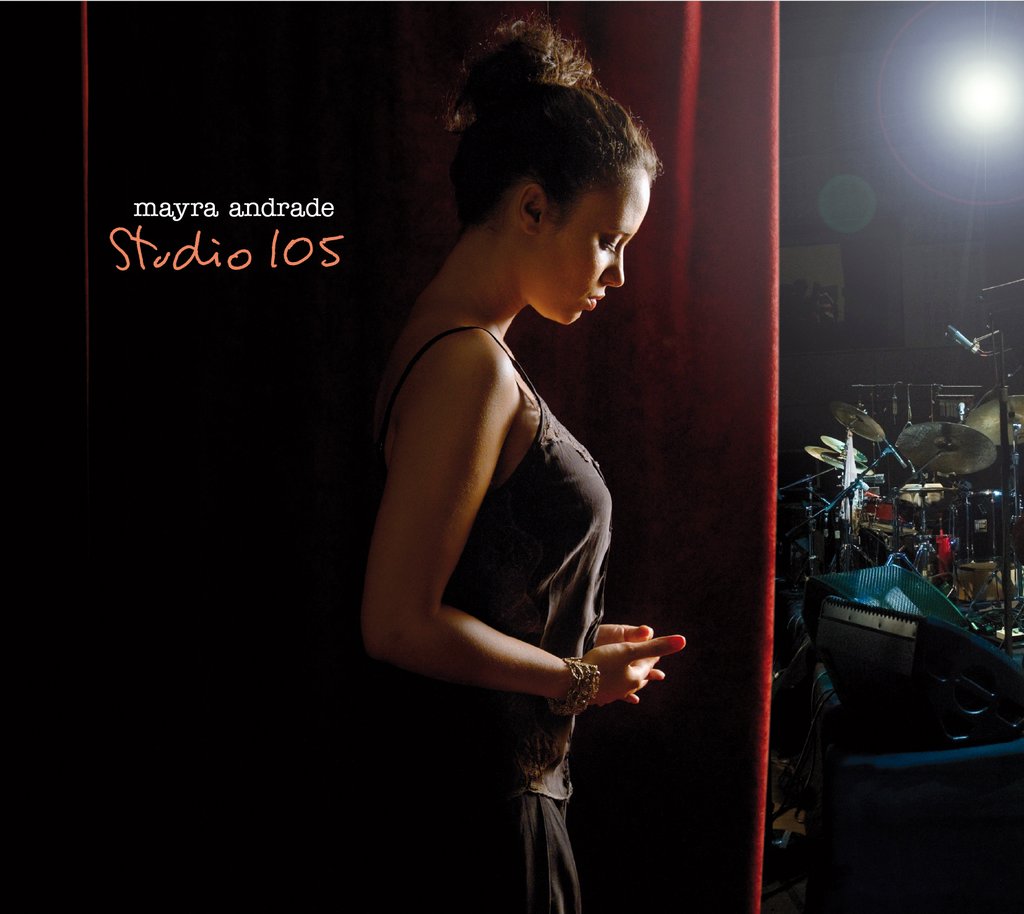
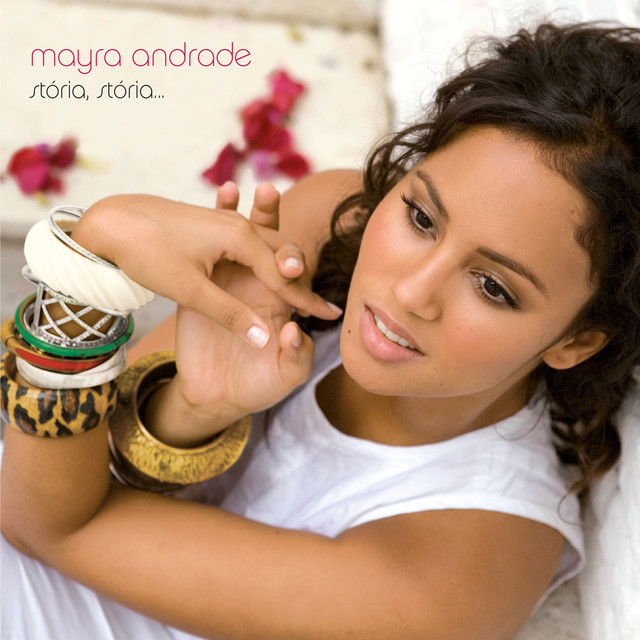
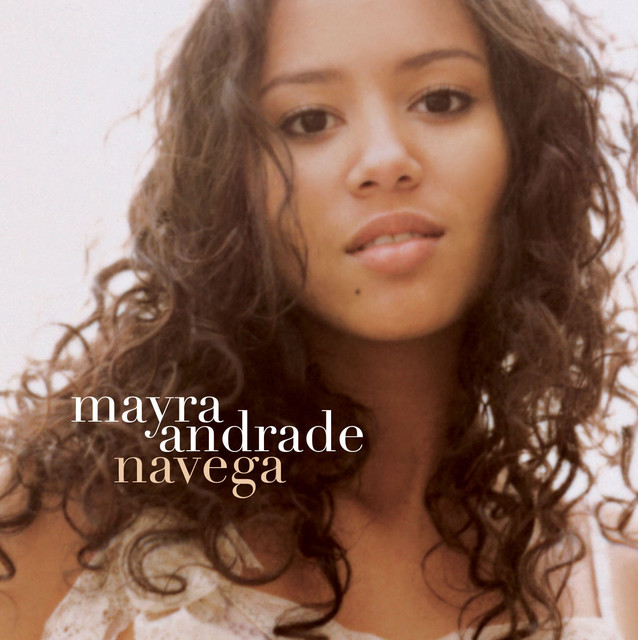
Her first album, Navega, arrived in 2006. Acoustic and raw, it was recorded at the pace of three songs per day, sung in Cape Verdean Creole with only one incursion in French, Comme s’il en pleuvait, written by Brazilian composer Tété. The second album, Stória, stória…, released in 2009, brought together a cosmopolitan team of musicians in Paris. Guinean Djeli Moussa Diawara on kora, Cameroonian Étienne M’Bappé on bass, Brazilian Marcos Suzano on percussion. It received the Deutsche Schallplattenkritik prize and consolidated Mayra’s international reputation. The live album Studio 105 was recorded in public at Paris’s Maison de la Radio in 20104.
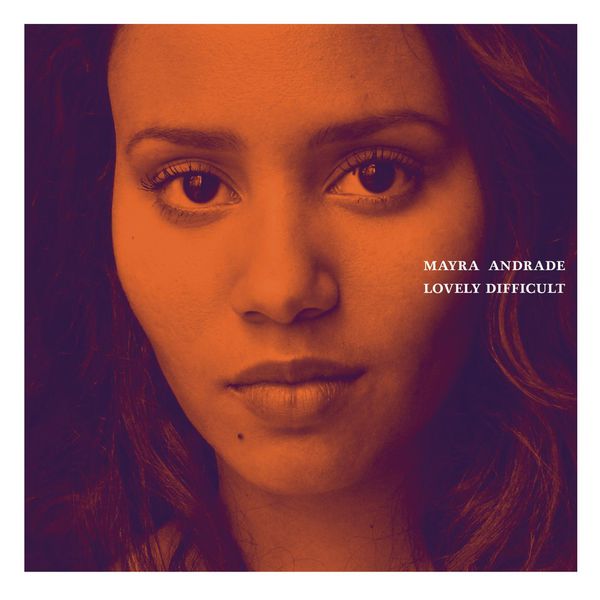
But it is with Lovely Difficult (2013) that Mayra Andrade fully embraces her métissage. Benjamin Biolay and Tété wrote lyrics for her; Yael Naim, Piers Faccini and Hugh Coltman are among the guests5. The album alternates Creole, Portuguese, French and English. It received a nomination for Victoires de la Musique in the world music category.
Settled in Lisbon since 2016, Mayra Andrade published Manga in 2019, recorded between Abidjan and Paris, blending afrobeats, urban music and traditional Cape Verdean rhythms. In 2024, reEncanto, recorded live at London’s Union Chapel, gathers twenty years of career in an intimate project featuring guitar and vocals, with the ambition to leave a lasting trace. “If I were to disappear today, I would want people to discover me through this album,” she confides6.
Mayra Andrade is not just an artist: she is an ambassador7. Since 2015, she has been the patron of the United Nations’ “Free and Equal” campaign for LGBT rights in Cape Verde, the first African country to launch this initiative. “Homosexuality is not criminalized in Cape Verde, but discrimination and homophobia must be,” she declared to the UN Radio. Her music, constantly evolving, refuses categories and borders. She has collaborated with Angelique Kidjo, Youssou N’Dour and Ivorian 2B, and performed at London’s Barbican as the opener for Gilberto Gil’s show. But her deepest commitment remains rooted in her language and land. “I make music for myself,” she says. “I must surprise myself, otherwise it’s boring.”
Major works
| Work | Year | Why it is essential |
|---|---|---|
| Navega | 2006 | First acoustic album, Cape Verdean roots, launch title |
| Stória, stória… | 2009 | Cosmopolitan orchestra, Deutsche Schallplattenkritik prize |
| Studio 105 | 2010 | Live concert recorded at Paris’s Maison de la Radio |
| Lovely Difficult | 2013 | Pop turning point, Biolay and Tété, Victoires nomination |
| Manga | 2019 | Afrobeats and urban rhythm, Abidjan-Paris mix |
| reEncanto | 2024 | Live retrospective, guitar and solo vocals |
Sources and references
-
Wonderland Magazine, Mayra Andrade Talks reEncanto (Live at Union Chapel), 2024, accessed on October 31, 2024. ↩︎
-
Wikipedia contributors, Mayra Andrade, Wikipédia, version of September 23, 2024, accessed on October 31, 2024. ↩︎
-
Franceinfo, Mayra Andrade, the voice of Cape Verde, 2013, accessed on October 31, 2024. ↩︎
-
Wikipedia contributors, Mayra Andrade, Wikipédia en français, February 13, 2024, accessed on October 31, 2024. ↩︎
-
The Sunday Times, Maya Jaggi, Mayra Andrade, voice of Cape Verde, March 16, 2008, accessed on October 31, 2024. ↩︎
-
RTS, Mayra Andrade, the solar renaissance of Cape Verdean music, 2019, accessed on October 31, 2024. ↩︎
-
ONU News, Mayra Andrade, Cabo Verde e direitos Lgbt, December 11, 2015, accessed on October 31, 2024. ↩︎