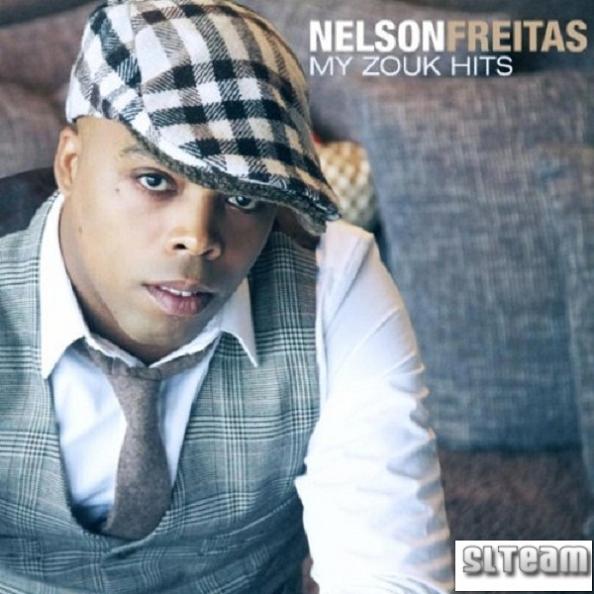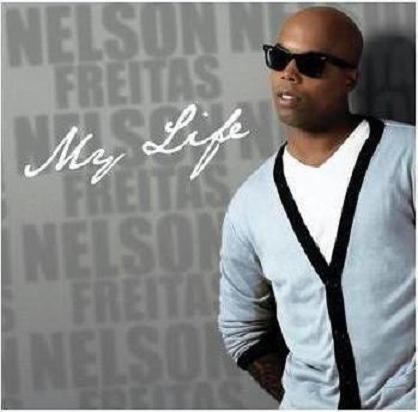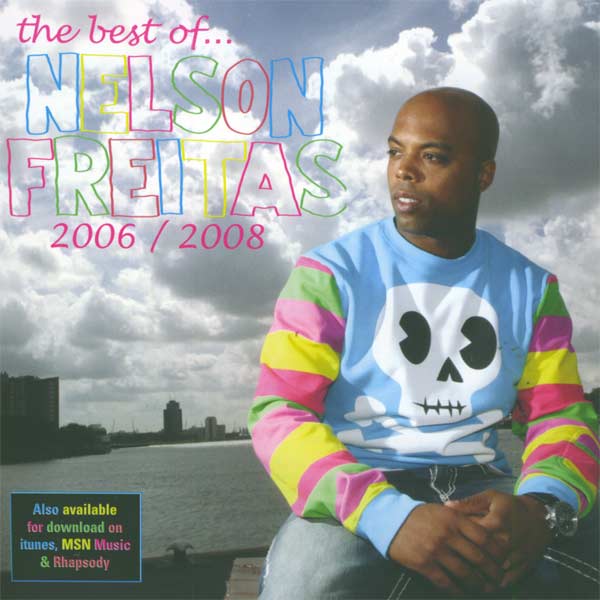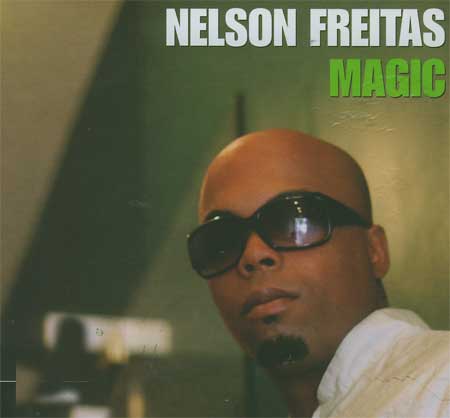
Biography
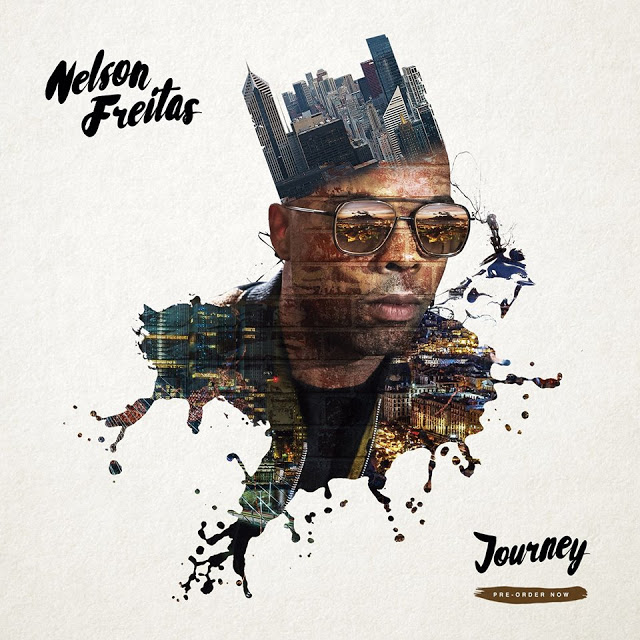
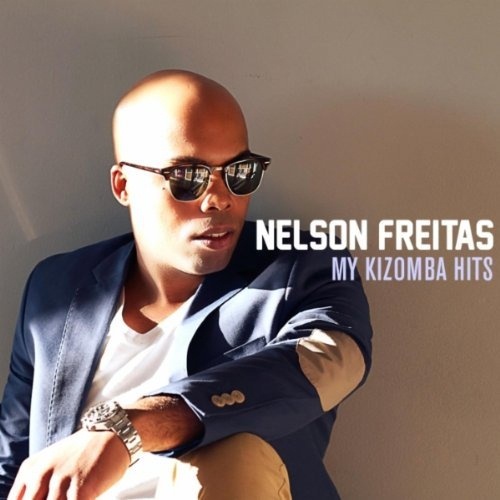
Nelson Freitas
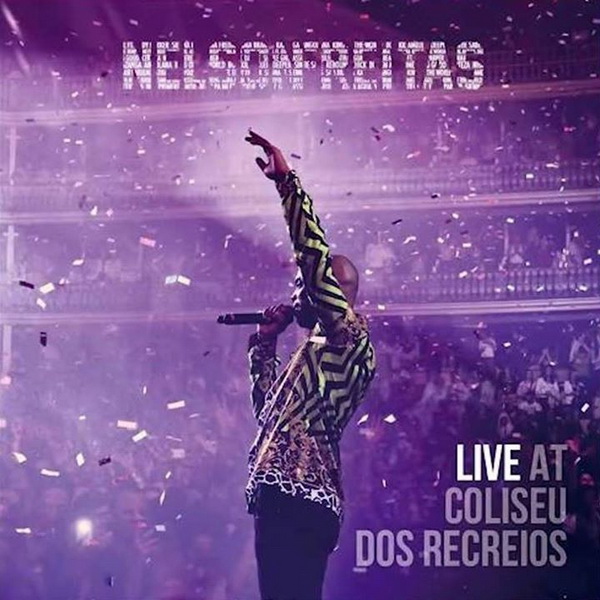
It is 8 PM, and the Colisée dos Recreios in Lisbon is vibrating. On stage, Nelson Freitas sings in Creole, English, and approximate Portuguese. The audience does not yet know they are watching an artist who, four years earlier, was still playing African club halls in the Portuguese capital.
In Brief
| Full Name | Nelson de Freitas |
| Birth | April 4, 1975, Rotterdam, Netherlands |
| Genre | Singer, producer — ghetto-zouk, kizomba, R&B, afrobeats |
| Notable Works | Magic (2006), Elevate (2013), Four (2016) |
| Awards | Best Video at the Cabo Verde Music Awards 2013 |
Key Dates
| Year | Event |
|---|---|
| 1975 | Born in Rotterdam, to parents from São Nicolao |
| 1998 | 4 VôZ with the boy band Quatro |
| 2006 | Magic, first solo album; platinum in Angola |
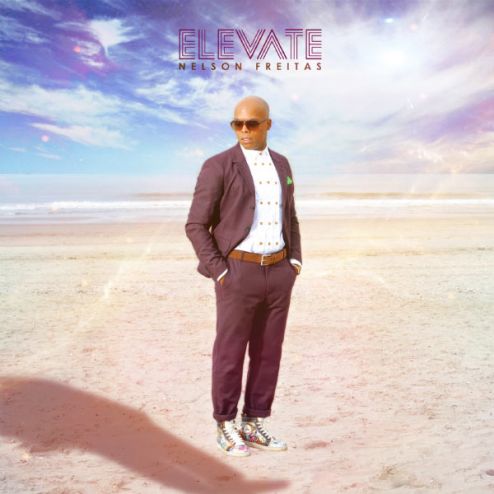
| 2013 | Elevate, Best Video Award (Cabo Verde Music Awards) |
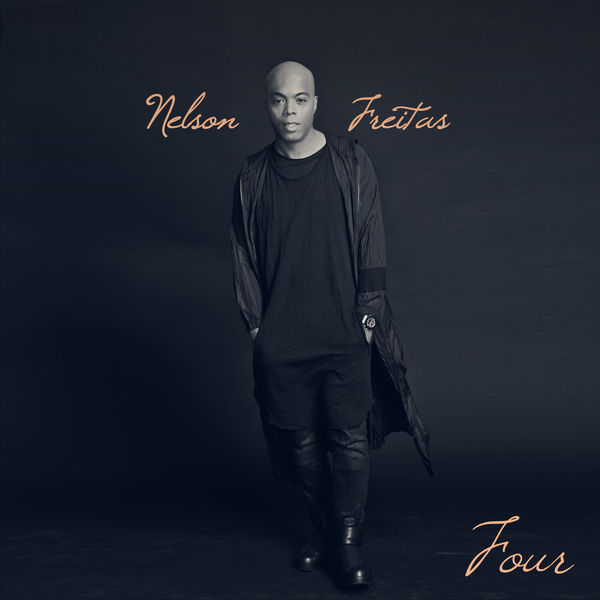
| 2016 | Four, on Universal Music Portugal |
| 2017 | Move to Lisbon |
| 2026 | Nexus Fest, Providence, United States |
From Rotterdam to World Stages
Nelson Freitas grew up in a Rotterdam where, more than a century ago, Cape Verdean sailors began to settle around the port. His mother arrived at 15 from the island of São Nicolao, without a word of Dutch. The family home became a gathering point for the community, where morna — that slow song from the islands — blended with American hip-hop and Antillean zouk. “I grew up listening to morna and coladeras at home, hip-hop and R&B on the street, and zouk at my neighbors’,” he would tell Público in 2016. “All these influences are in my music.”
Uncle DJ Tony Ramos was preparing a compilation and looking for a title. “We made the music. And, if we can say it, people asked when the album would come out. Almost by chance, we launched a CD,” he recounted in the same interview. The group Quatro (later Quatro Plus with brother Edson) released three albums between 1998 and 2006, sparking enthusiasm in Cape Verde, Angola, and Mozambique. “In Rotterdam, we were nobody. In Angola, they escorted us with bodyguards. We were young, we didn’t understand the business.”
The 2006 Magic marked the solo turning point. The album, recorded in the family home’s basement, blends Creole and English with duos Kaysha and Tó Semedo. In Angola, it sold more than 25,000 copies and became a platinum record. Nelson, nicknamed “Mister Magic,” founded the label GhettoZouk Music and signed Chelsy Shantel. “Ghetto zouk is literally the style that my uncle and I produce: we took zouk, which is always very smooth, and we added hip-hop drums to make it cooler, more bouncing,” he explains. “I didn’t invent anything. I was inspired by what I heard.”
“We Built for a Long Time”
In 2017, he settled in Lisbon, just a few hours by plane from PALOP stages. “It’s America for PALOP music,” he described in an interview with Africa Is a Country (2024). The afrobeats of Burna Boy, Wizkid, and Rema exploded, and Nelson saw the opportunity to rebound. “We built for a long time, we knocked on record label doors, and no one believed in us. And suddenly, there is this big wave of Nigerians coming out like Burna Boy, Wizkid, and Rema, who did their thing, also influenced by us.”
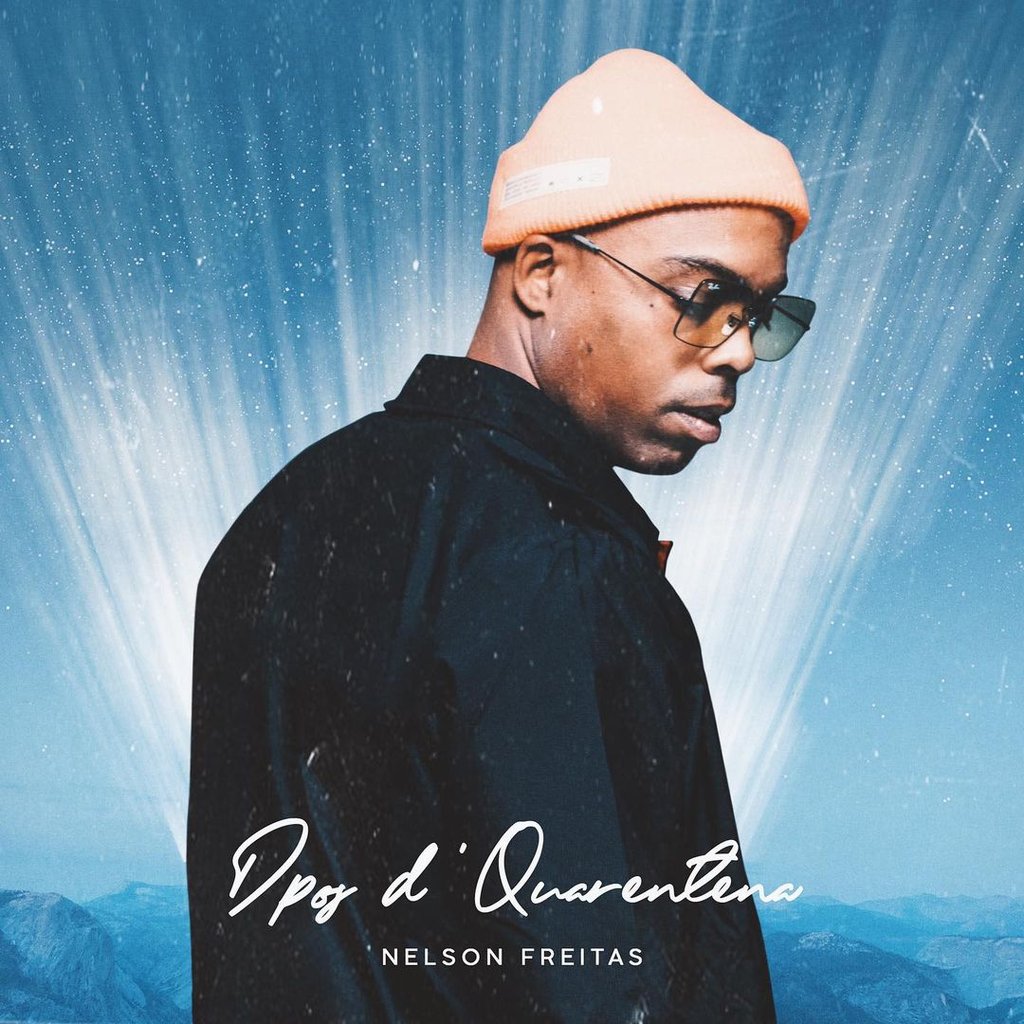
On Dpos d’Quarentena (2021), he collaborated with Mr Eazi, Dino D’Santiago, and Julinho KSD, and integrated Nigerian producers like Kel-P Vibes. “Y’all fight over the bone, and I’m just going around. I’m just doing my own thing,” he laughed. “That could have been a song that I did,” he confessed when talking about Burna Boy’s “On the Low.” Today, he organizes the Nexus Fest in Providence — the first step of his career in the United States — and continues to produce and write.
Major Works
| Work | Year | Why It’s Essential |
|---|---|---|
| Magic | 2006 | First solo album; platinum in Angola, duo Kaysha |
| Rebound Chick | 2010 | Hit from My Life, his ghetto-zouk at its peak |
| Bo Tem Mel | 2013 | Featuring C4 Pedro; Elevate wins the Cabo Verde Music Award |
| Dpos d’Quarentena | 2021 | Afrobeats, featuring Mr Eazi and Dino D’Santiago |
Legacy
Nelson Freitas has traversed three decades of musical mutations — from the Antillean zouk of the 1990s to the afrobeats of the 2020s — drawing from the Cape Verdean diaspora to build a bridge between Rotterdam, Lisbon, and Africa. His label GhettoZouk Music remains a reference for producers who want to get people dancing without sacrificing identity.
Sources and References
- “Nelson Freitas — Biography”, AllMusic (Marcy Donelson), https://www.allmusic.com/artist/nelson-freitas-mn0001002512, accessed November 3, 2026.
- “Nelson Freitas”, Wikipedia (English version), https://en.wikipedia.org/wiki/Nelson_Freitas, accessed November 3, 2026.
- “Nelson Freitas”, Wikipedia (French version), https://fr.wikipedia.org/wiki/Nelson_Freitas, accessed November 3, 2026.
- “Full circle — Africa Is a Country” (interview, May 14, 2024), Africa Is a Country (Boima Tucker), https://africasacountry.com/2024/05/full-circle, accessed November 3, 2026.
- “Mas afinal o que é que a kizomba tem? Nelson Freitas explica”, Público (Vítor Belanciano, April 23, 2016), https://www.publico.pt/2016/04/23/culturaipsilon/noticia/nelson-freitas-mas-afinal-o-que-e-que-a-kizomba-tem-1729569, accessed November 3, 2026.
- “Bringing sounds of Cape Verde”, Providence Journal (Andy Smith, November 24, 2016), https://www.providencejournal.com/story/entertainment/local/2016/11/24/coming-to-ri-nelson-freitas-and-music-of-cape-verde/24484469007/, accessed November 3, 2026.
- « Nominees and winners at the 2013 Cabo Verde Music Awards », Cabo Verde Music Awards, http://www.caboverdema.com/?vencedores-2013,136, consulted on 3 November 2026.
- « Nelson Freitas », Discogs, https://www.discogs.com/artist/1147685-Nelson-Freitas, consulted on 3 November 2026.