Biography
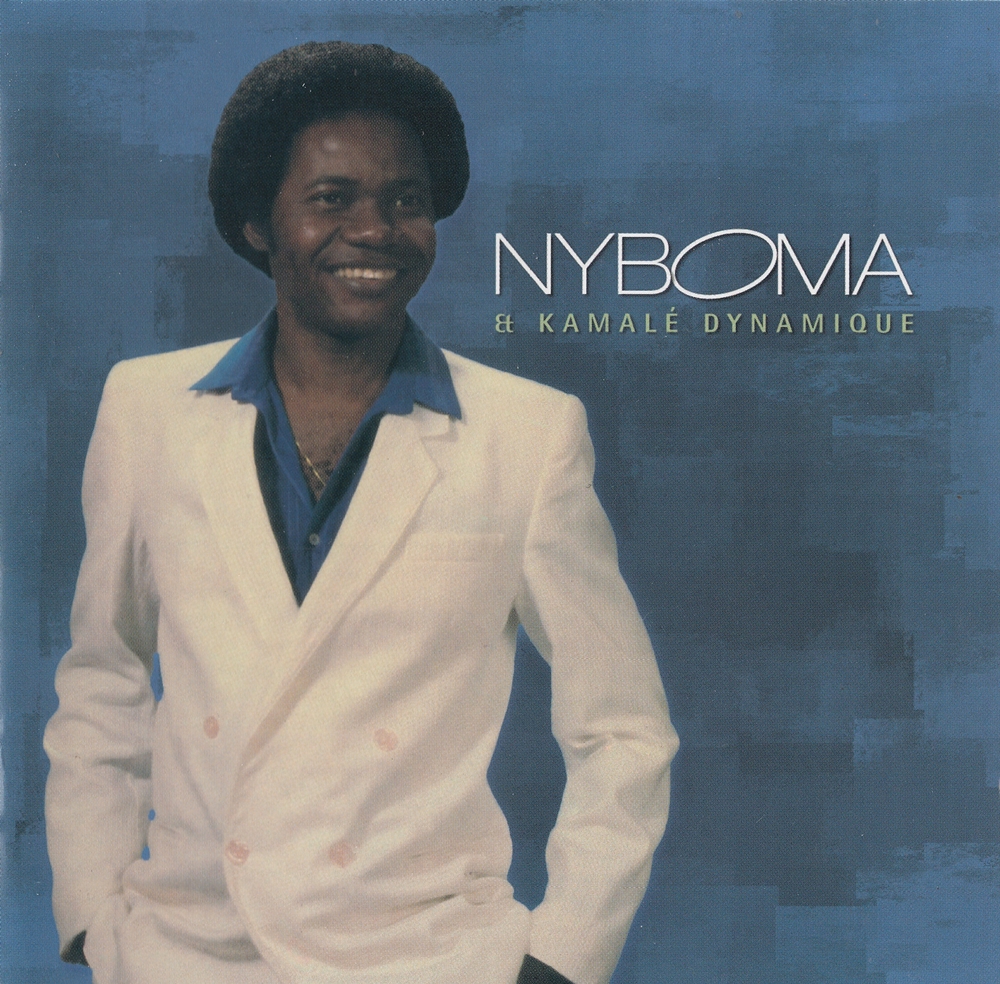
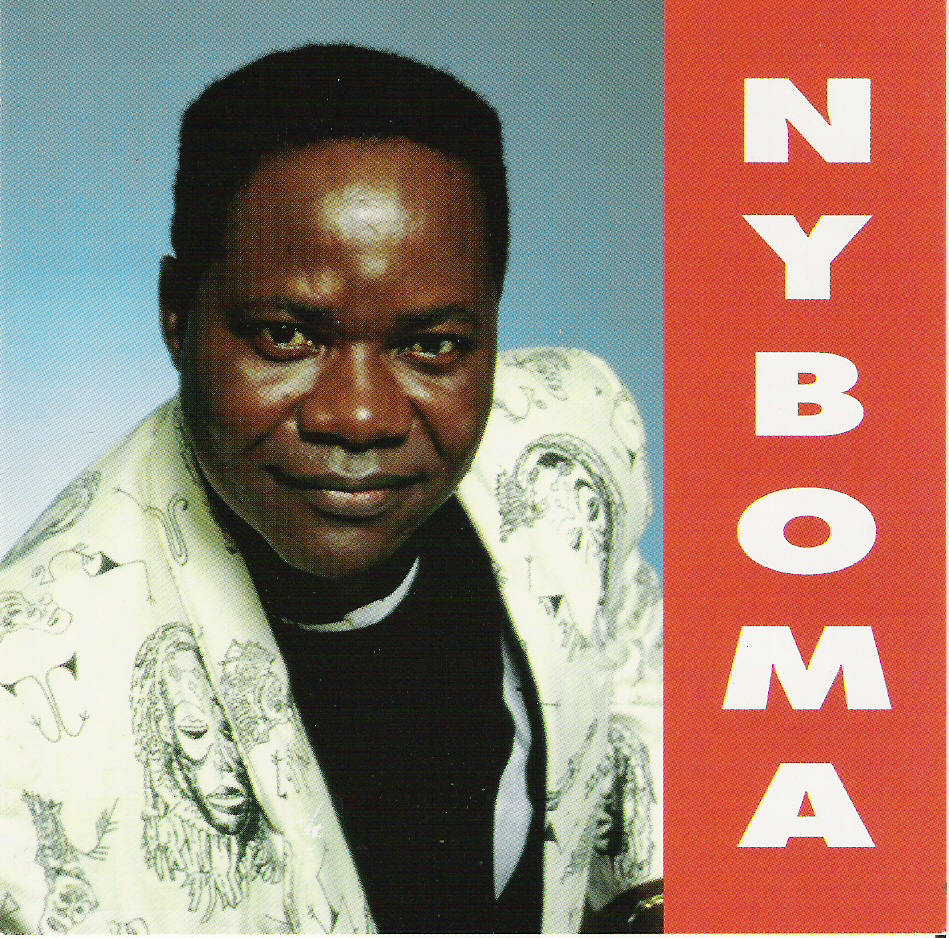
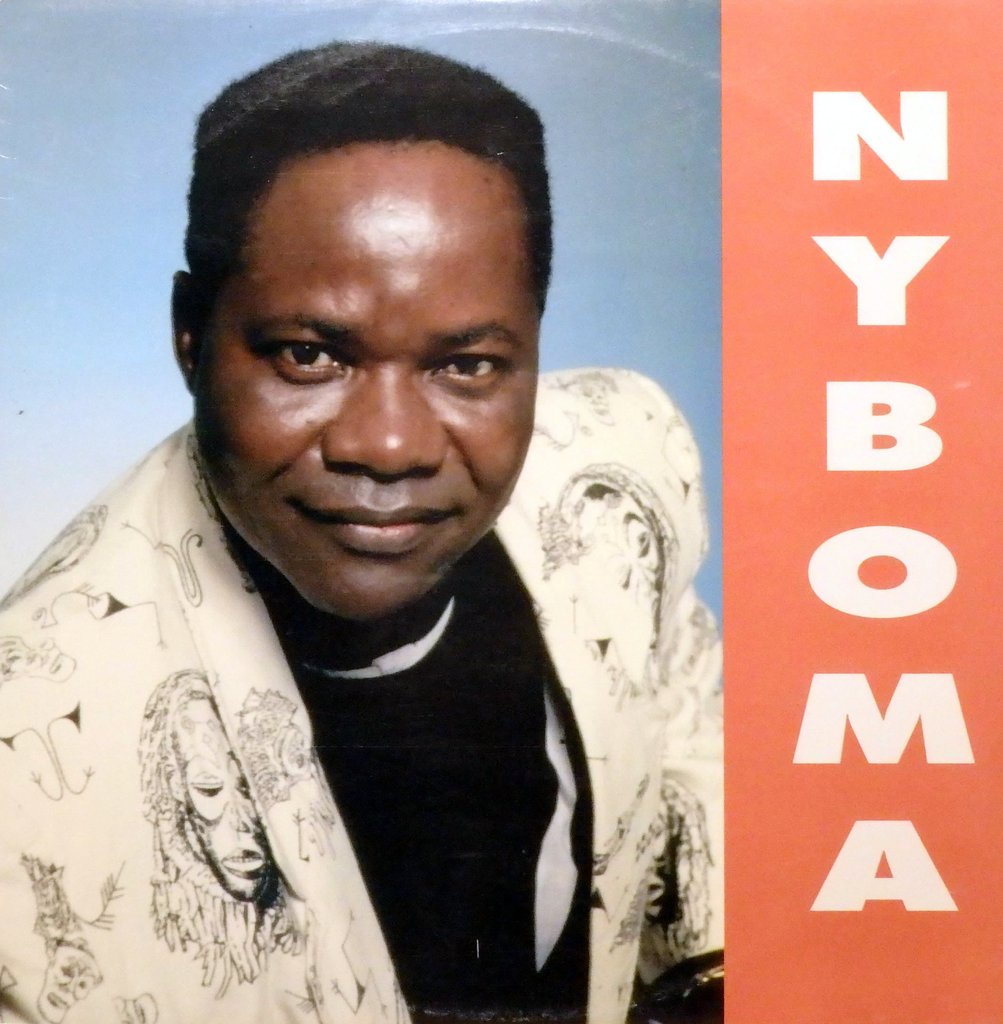
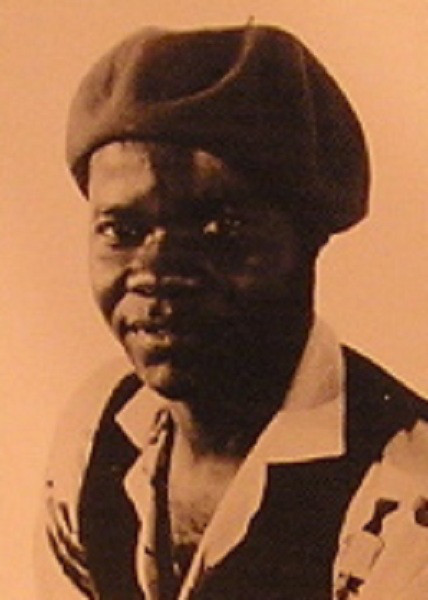
Nyboma: the golden voice of Zairian soukous
More than fifty years ago, on the dance floors of Kinshasa, a voice rose above guitars coiled like serpents: clear, airy, irresistible. Nyboma Mwan’dido didn’t just sing—he transported listeners. Even today, his tenor voice remains an absolute reference in soukous, the Congolese genre where rumba meets rock and dance.
In brief
| Full name | Nyboma Mwan’dido |
| Birth | December 24, 1952, Léopoldville (Kinshasa, Democratic Republic of the Congo) |
| Field | Soukous — singing, guitar |
| Notable groups | Bella Bella, Lipua Lipua, Kamale, Les Quatre Étoiles, Kékélé |
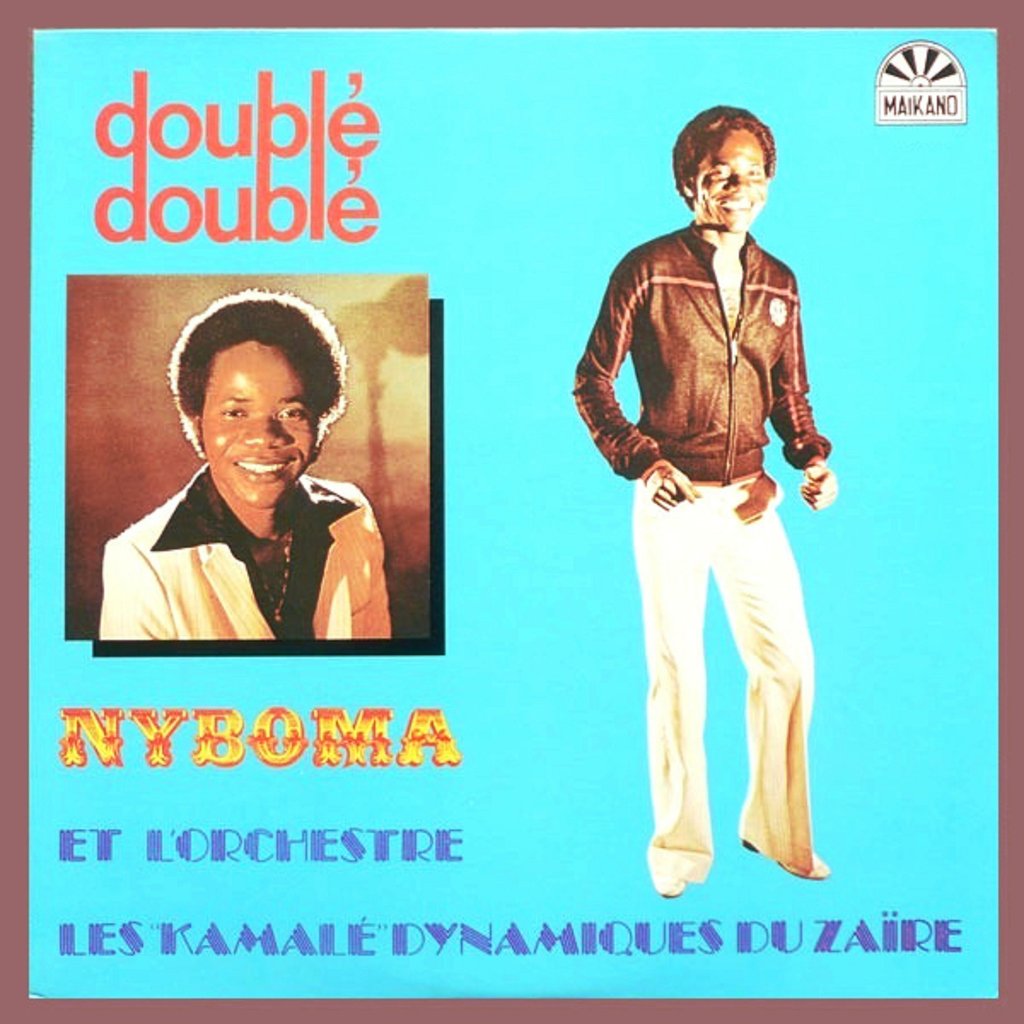
| Emblematic works | “Kamale”, “Double Double”, album Anicet |
| Distinctions | Singer of the Year 1974; most cited voice on Congolese forums |
Key dates
| Year | Event |
|---|---|
| 1952 | Birth in Léopoldville; childhood in Nioki, a northern river town |
| 1969 | Debut: Baby National then Negro Succès |
| 1972 | Orchestre Bella Bella; success of “Mbuta” |
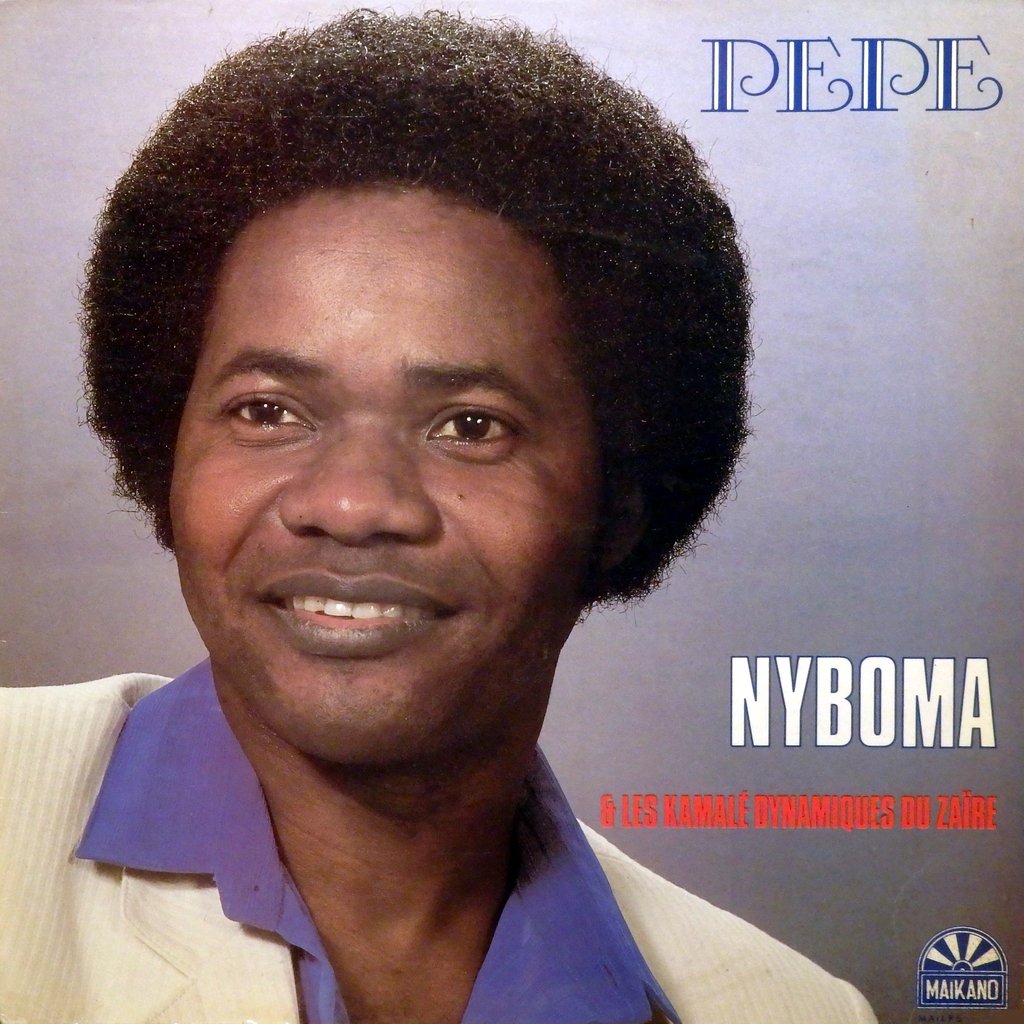
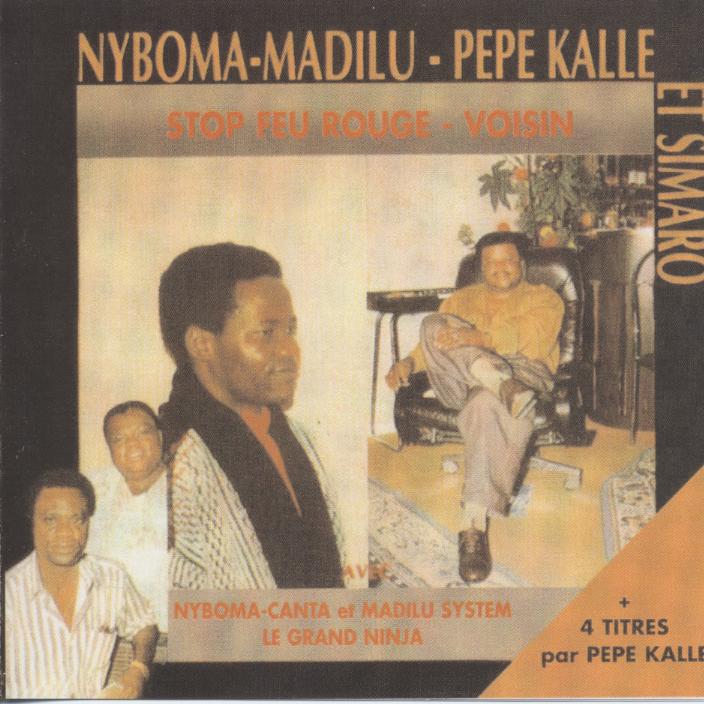
| 1973 | Co-founding of Lipua Lipua with Pepe Kalle |
| 1974 | Zairian Singer of the Year award |
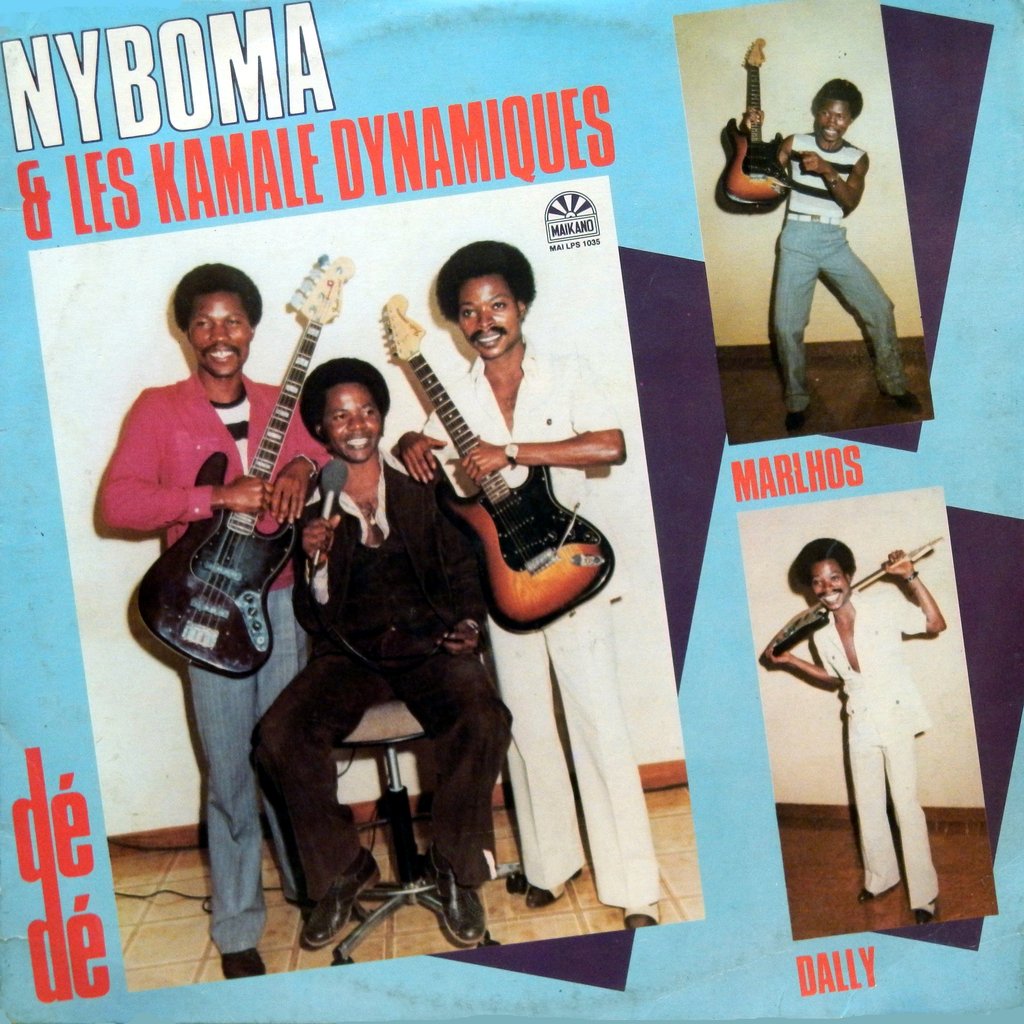
| 1975 | Founding of Orchestre Kamale, recruits Dally Kimoko |
| 1979 | African All-Stars in Togo |
| 1981 | “Double Double” in Abidjan |
| 1982 | Paris; Les Quatre Étoiles (Bopol, Syran, Wuta Mayi) |
| 1995 | Album Anicet (Stern’s Africa) |
| 2001 | Kékélé — Rumba Congo (Stern’s Music) |
Origins: from Nioki to the orchestras of Kinshasa
Nyboma grew up between Nioki, a river town on the Congo, and Kinshasa, where his family settled during his primary school years. It was in the church choir of Nioki that he discovered singing. At sixteen, he took the professional step with Baby National, then Negro Succès, the group of Bavon Marie-Marie, Franco’s brother. In 1970, he signed with Maison Vévé, the label of legendary Verckys Kiamuangana, a composer and producer who shone several orchestras under one roof1.
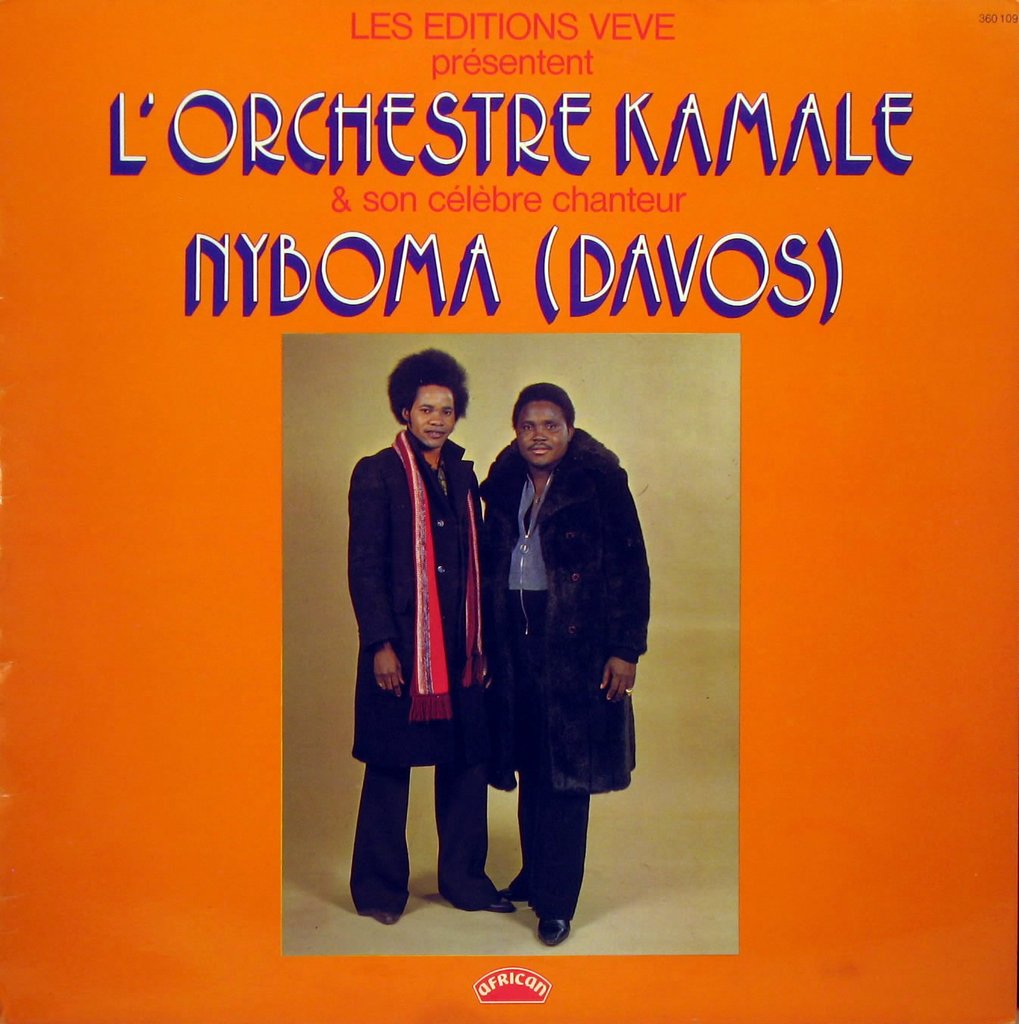
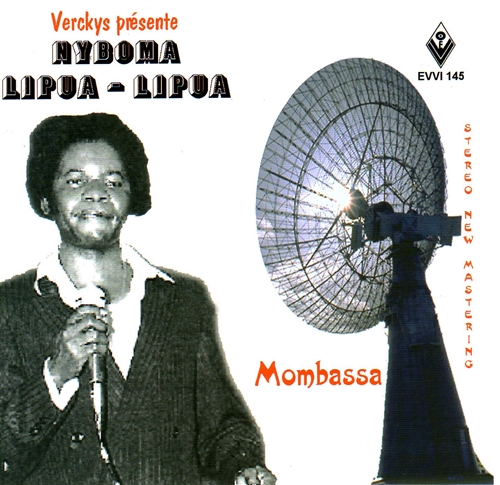
Under this label, he joined in 1972 the Orchestre Bella Bella, directed by the Soki brothers. The title “Mbuta” was voted song of the year 1972, and the young singer quickly caught attention. The following year, he co-founded with Pepe Kalle and others the Orchestre Lipua Lipua. The 7-inch single of “Kamale” vibrated all of Kinshasa: Nyboma took the Zairian Singer of the Year prize in 19742.
In 1975, he created Orchestre Kamale with several musicians from Lipua Lipua, recruiting guitarist Dally Kimoko, who would become a pillar of soukous. The hits “Salanga” and “Afida na ngai” made an entire generation dance3.
The international era and supergroups
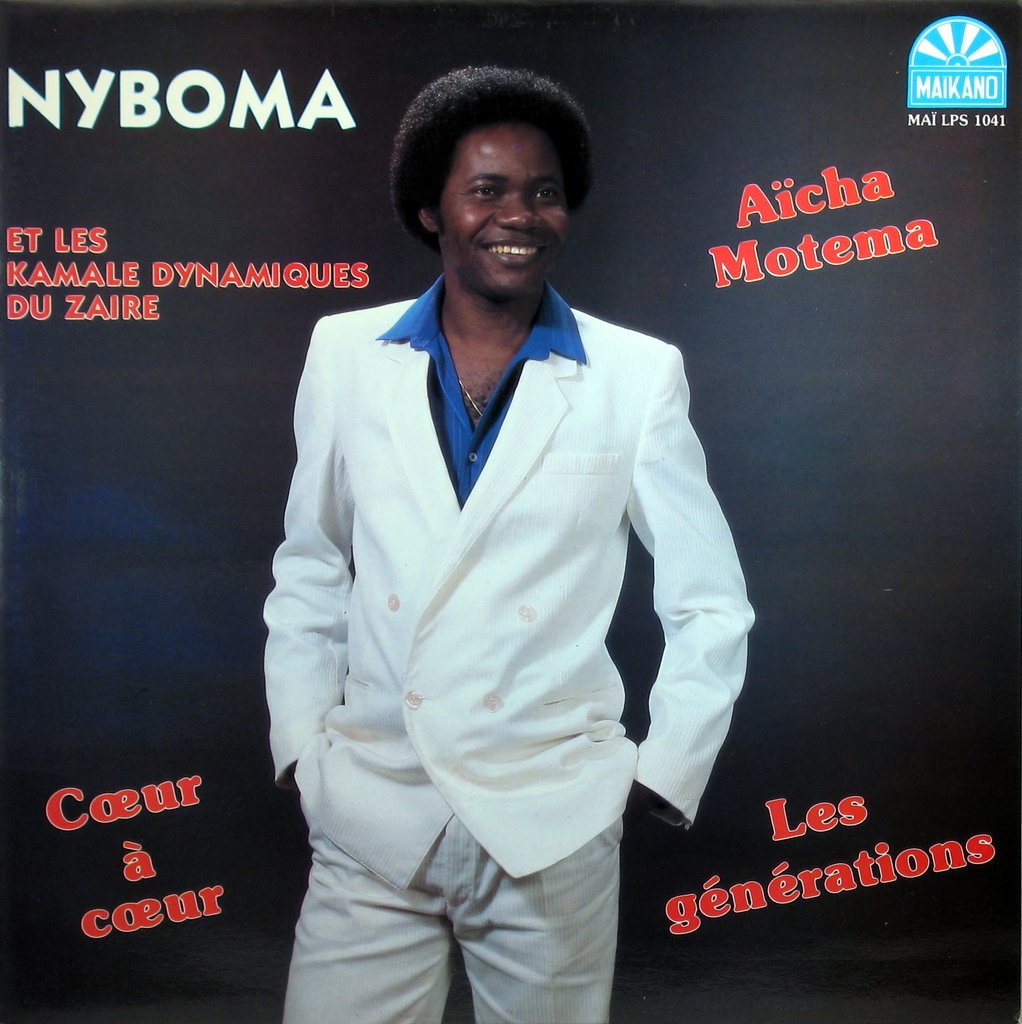
The end of the 1970s imposed exile: deteriorating conditions in Zaire. Nyboma accepted in 1979 an engagement with Dizzy Mandjeku’s African All-Stars in Togo, then settled in Abidjan in 1981. He recorded “Double Double” with Les Kamalé Dynamiques du Zaïre, a title that crossed the continent and became a standard of pan-African soukous4.
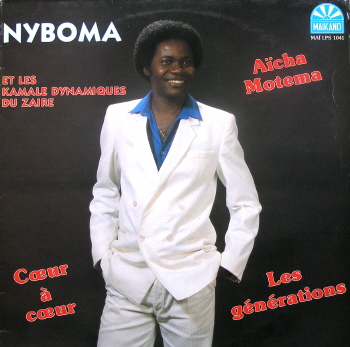
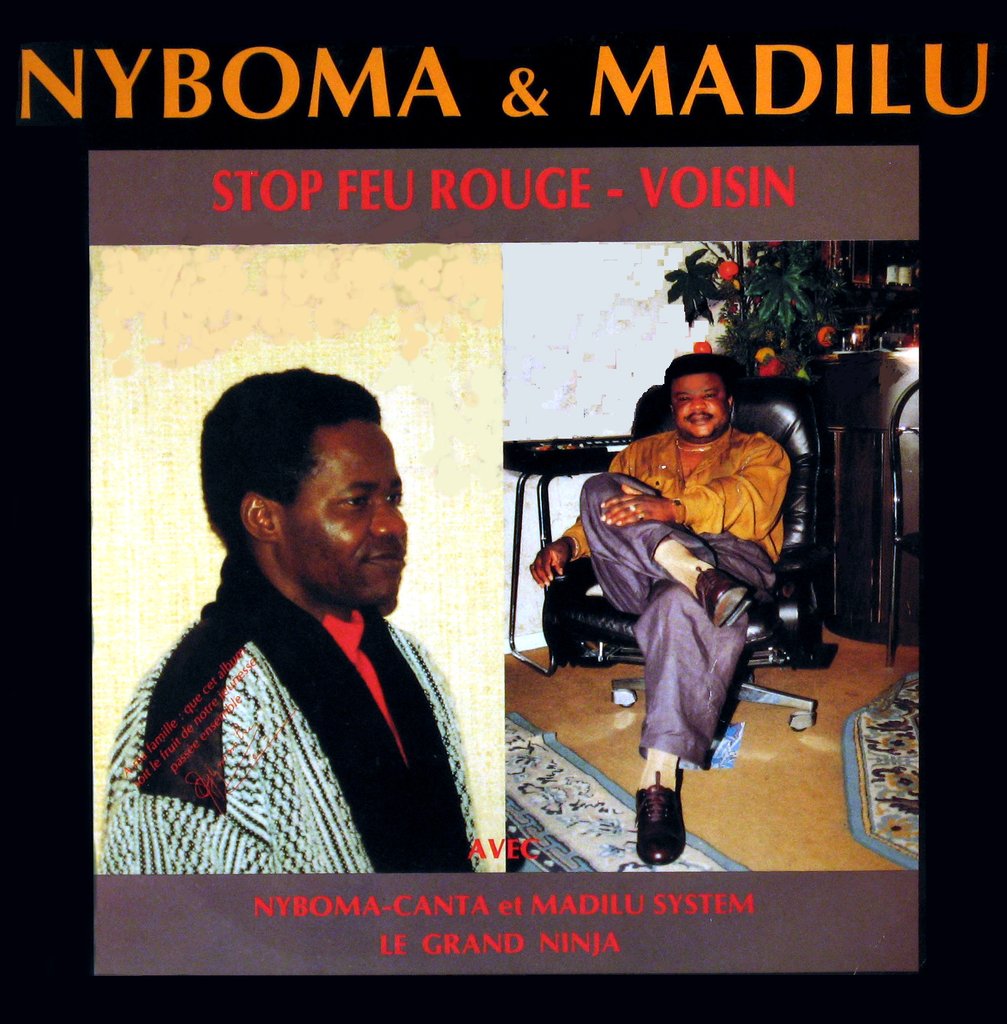
In Paris, in 1982, he co-founded Les Quatre Étoiles with Bopol Mansiamina, Syran Mbenza and Wuta Mayi—four voices, four guitarists, European and American stages from 1982 to 19965. Meanwhile, albums with Les Kamalé Dynamiques (1983-84) and collaborations with Pepe Kalle, Tabu Ley, Madilu Système and Lokassa Ya Mbongo marked a feverish activity.
In 1995, under the direction of producer Ibrahima Sylla, he released the album Anicet (Stern’s Africa). A sober and powerful record, it blends conversational soukous with a pan-African approach, featuring a tribute to Malcolm X and another to “Abissina”. Sylla’s signature marked an evolution toward a more polished, multi-layered soukous6.
In 2001, he joined the collective Kékélé, a Stern’s Music acoustic project that places guitar at the heart of Congolese rumba. The albums Rumba Congo, Congo Life, Kinavana and Live: Tournée Américaine & Canadienne (2006) made Kékélé a beacon of revisited traditional rumba7.
Legacy
Nyboma is a marker of soukous. His recordings with Bella Bella, Lipua Lipua, Kamale, Les Quatre Étoiles and Kékélé form a living map of Congolese music from the 1970s to our days. More than fifty years of career, dozens of tracks, and a voice that international critics describe as sweet as honey (The Guardian)—an airy tenor, effortless, supple6.
The man continues to perform. His recent releases—Kanta d’Or (2020), Live au Cabaret Sauvage (2020)—confirm that none of his brilliance has faded. And on audiophile forums, when asked to cite the greatest Congolese singers, his name comes up systematically7.
Major works
| Work | Year | Why it’s essential |
|---|---|---|
| “Kamale” (Orchestre Lipua Lipua) | 1973 | First major hit; Singer of the Year |
| “Mbuta” (Orchestre Bella Bella) | 1972 | Song of the Year 1972; birth certificate |
| “Double Double” (Les Kamalé Dynamiques) | 1981 | Continental hit; pan-African soukous standard |
| Album Anicet | 1995 | Solo Sylla album; pan-African approach |
| Kékélé — Rumba Congo | 2001 | Stern’s Music acoustic collective |
| Les Quatre Étoiles — 4 Grandes Vedettes | 1983 | Super-group; icon of European stages |
Sources and references
-
Wikipedia, Nyboma, accessed October 31, 2026. ↩︎
-
Stern’s Africa / Global Groove, Nyboma & Kamalé Dynamique, accessed October 31, 2026. ↩︎
-
Wikipedia; Valeorine, Nyboma, accessed October 31, 2026. ↩︎
-
Stern’s Africa (Stern’s Music) catalog, accessed October 31, 2026. ↩︎
-
Stern’s Africa (Stern’s Music), accessed October 31, 2026. ↩︎
-
Wikipedia, Nyboma; The Guardian (reported citation), accessed October 31, 2026. ↩︎ ↩︎
-
Jabulani Radio, The Magic in Nyboma’s Vocals, accessed October 31, 2026. ↩︎ ↩︎