Biography
Orchestre Poly-Rythmo de Cotonou: the Funky Papys of Benin
In 1973, they recorded a raw afrobeat album in Lagos, in the same studios as Fela Kuti. Thirty years later, no one in Europe had heard these sounds. In 2009, an old Beninese singer returned to a studio and reignited the machines: Orchestre Poly-Rythmo de Cotonou, one of Africa’s most prolific groups in the 20th century, began its second life.
In brief
| Name | Tout-Puissant Orchestre Poly-Rythmo de Cotonou |
| Formation | 1968, Cotonou, Dahomey (now Benin) |
| Genre | Afrobeat, funk, soukous, rumba, jazz — rooted in vodoun |
| Founder | Mélomé Clément (known as Mélomé), vocals and guitar |
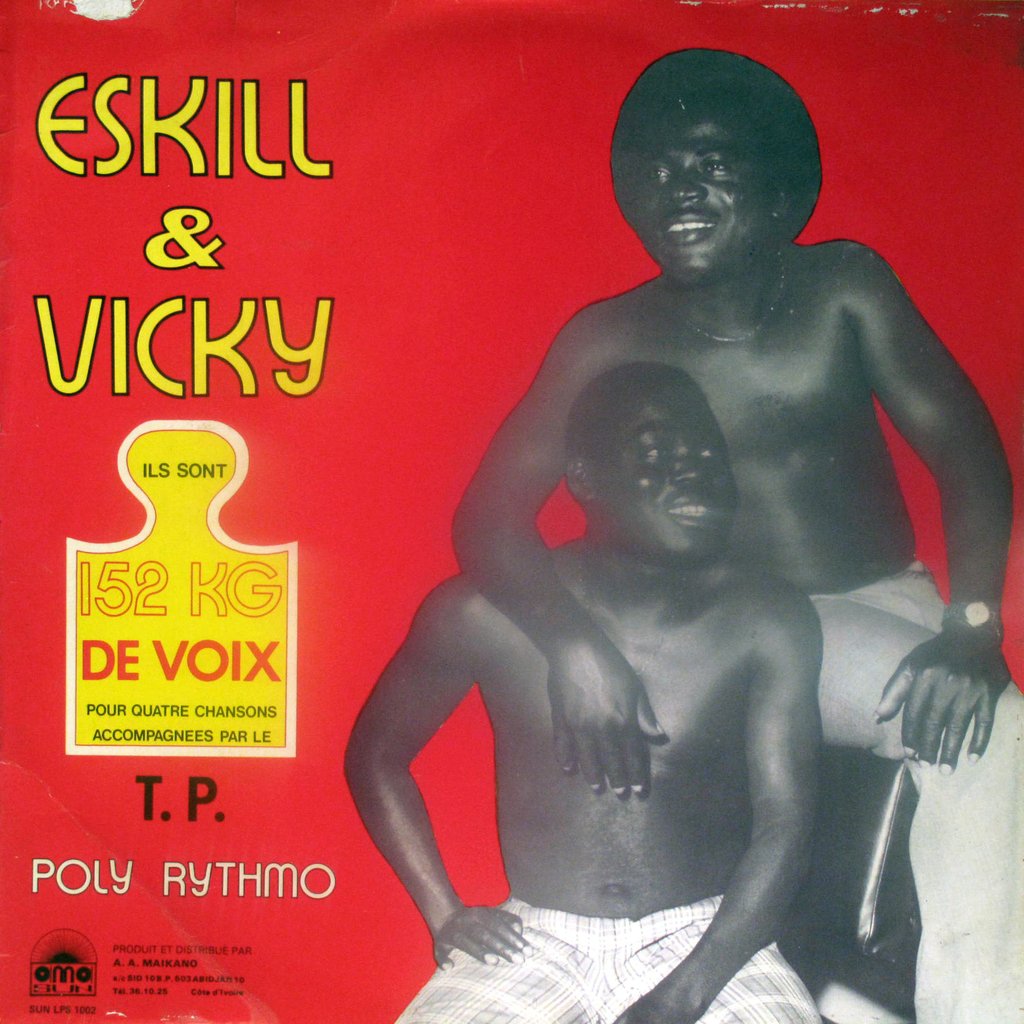
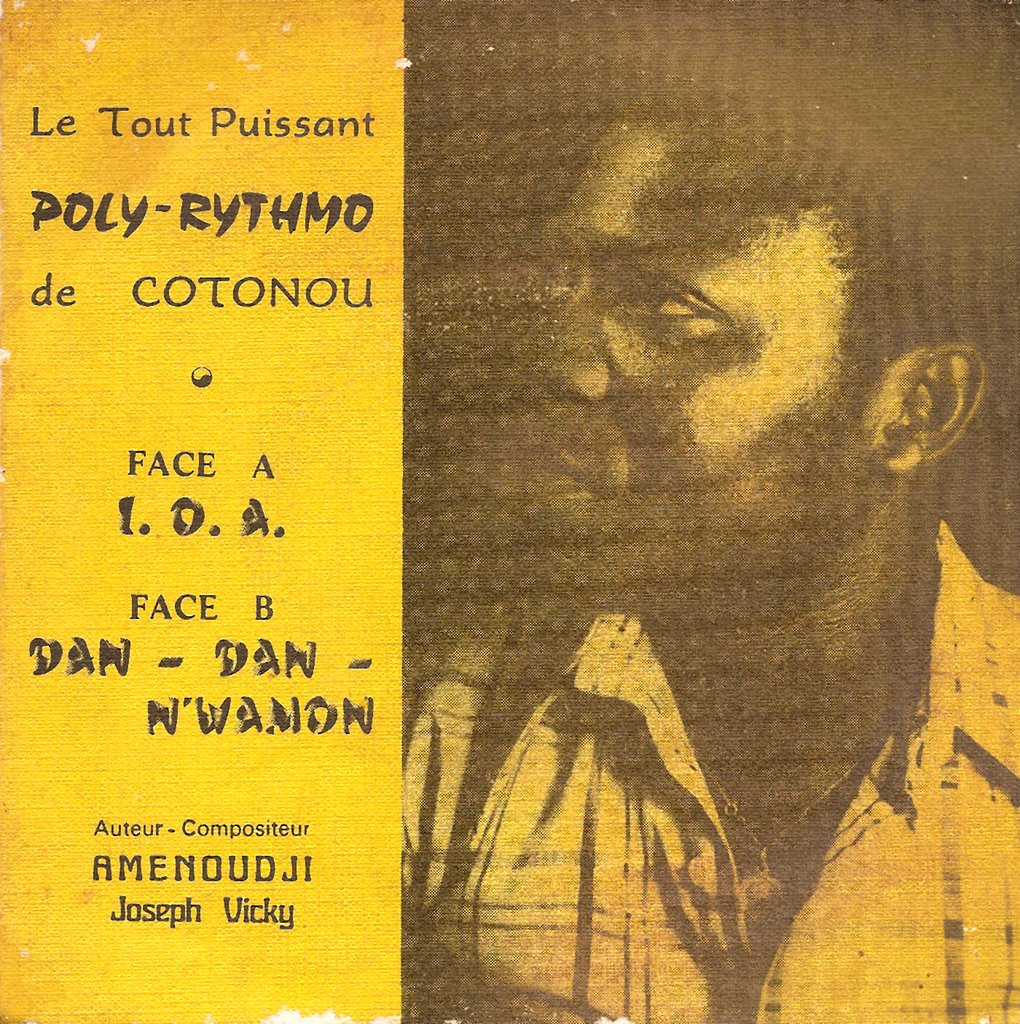
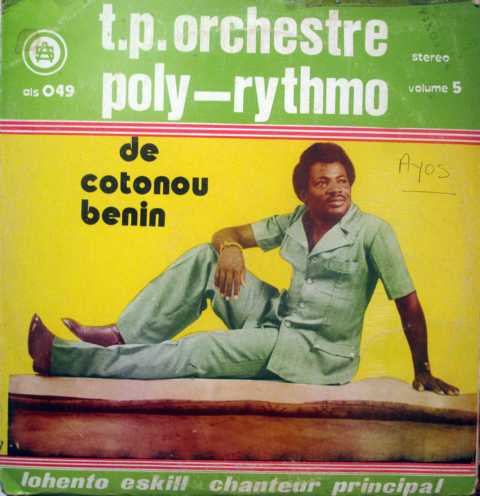
| Founding members | Vincent Ahéhéhinnou (vocals), Gustave Bentho (bass), Bernard “Papillon” Zoundégnon (guitar, piano), Joseph Vicky Amènoudji (vocals), Eskill Lohento (vocals) |
| Signature works | The 1st Album (1973), Cotonou Club (2011), Madjafalao (2016) |
Key dates
| Year | Event |
|---|---|
| 1968 | Founded in Cotonou by Mélomé Clément |
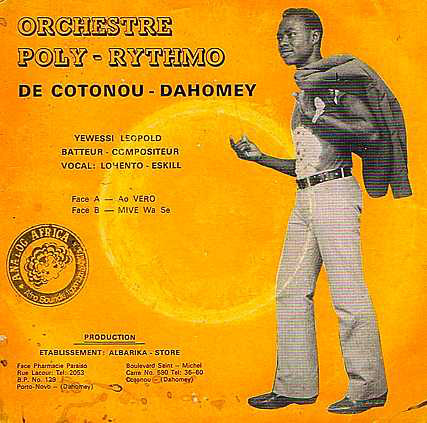
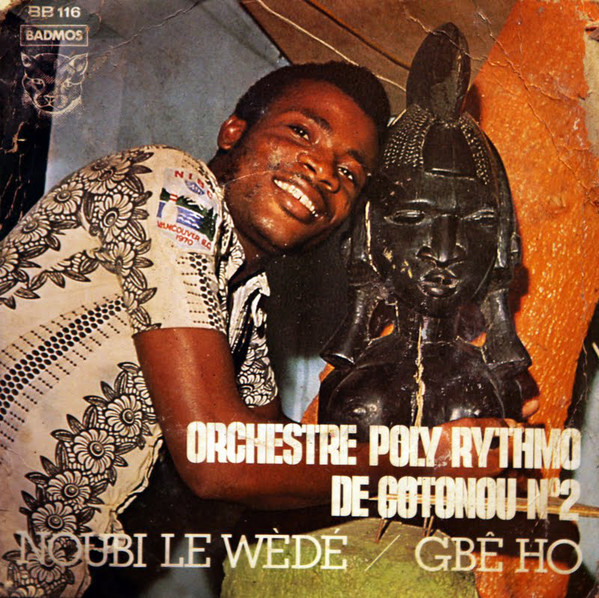
| 1969 | Named Poly-Rythmo; signed with Albarika Store |
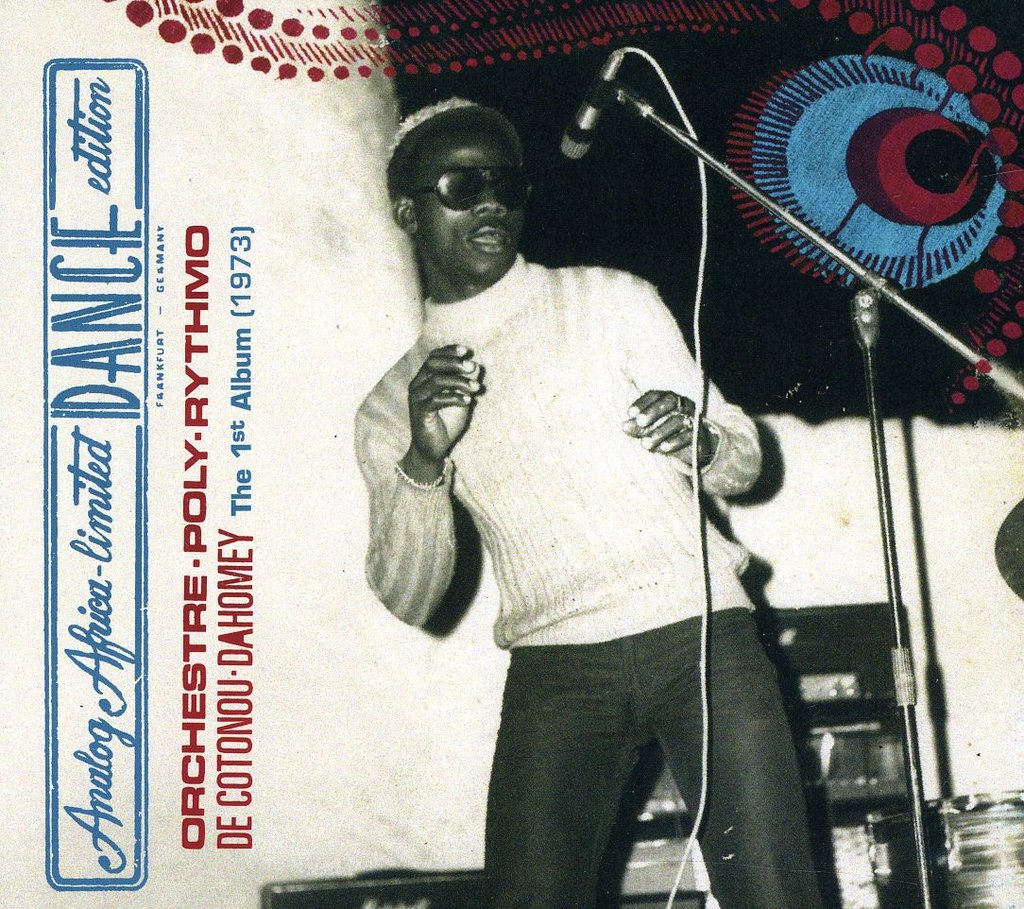
| 1973 | First album recorded in Lagos (EMI): The 1st Album |
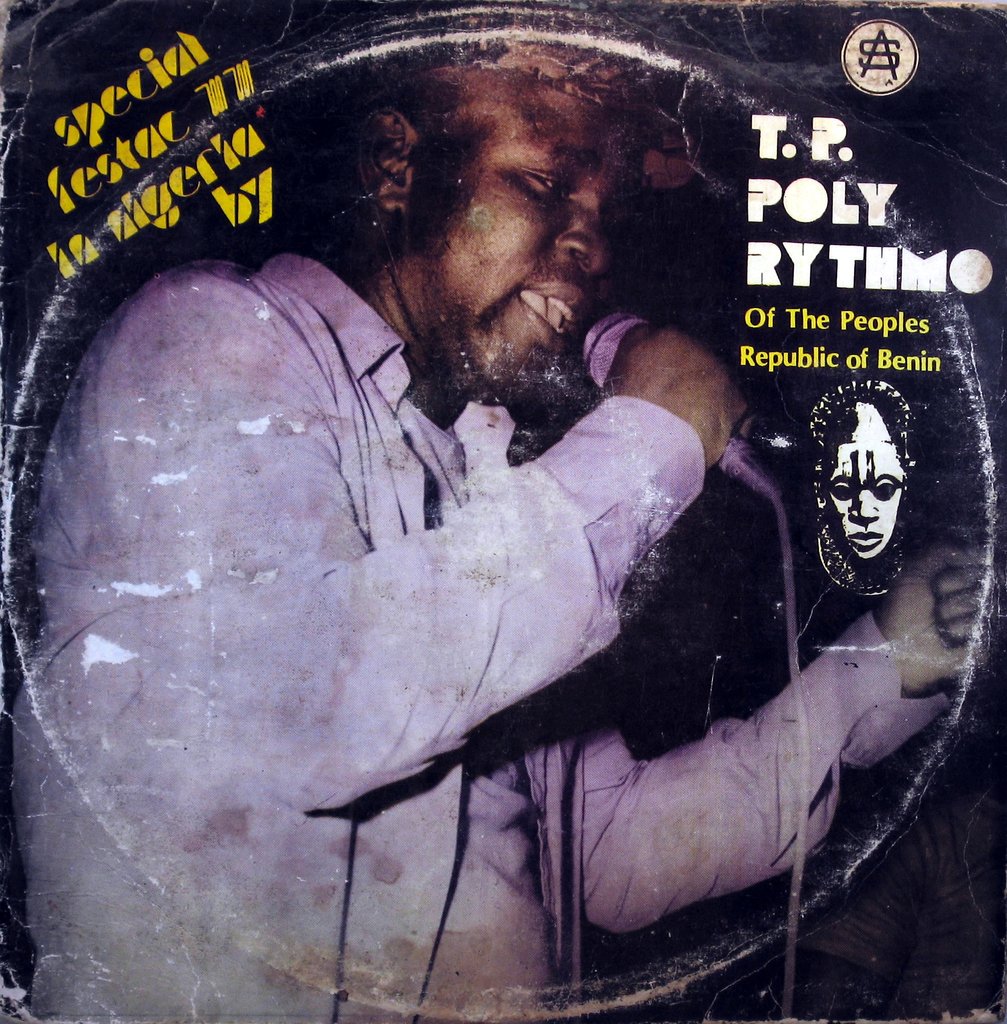
| 1977 | Consecration at FESTAC 77 in Lagos |
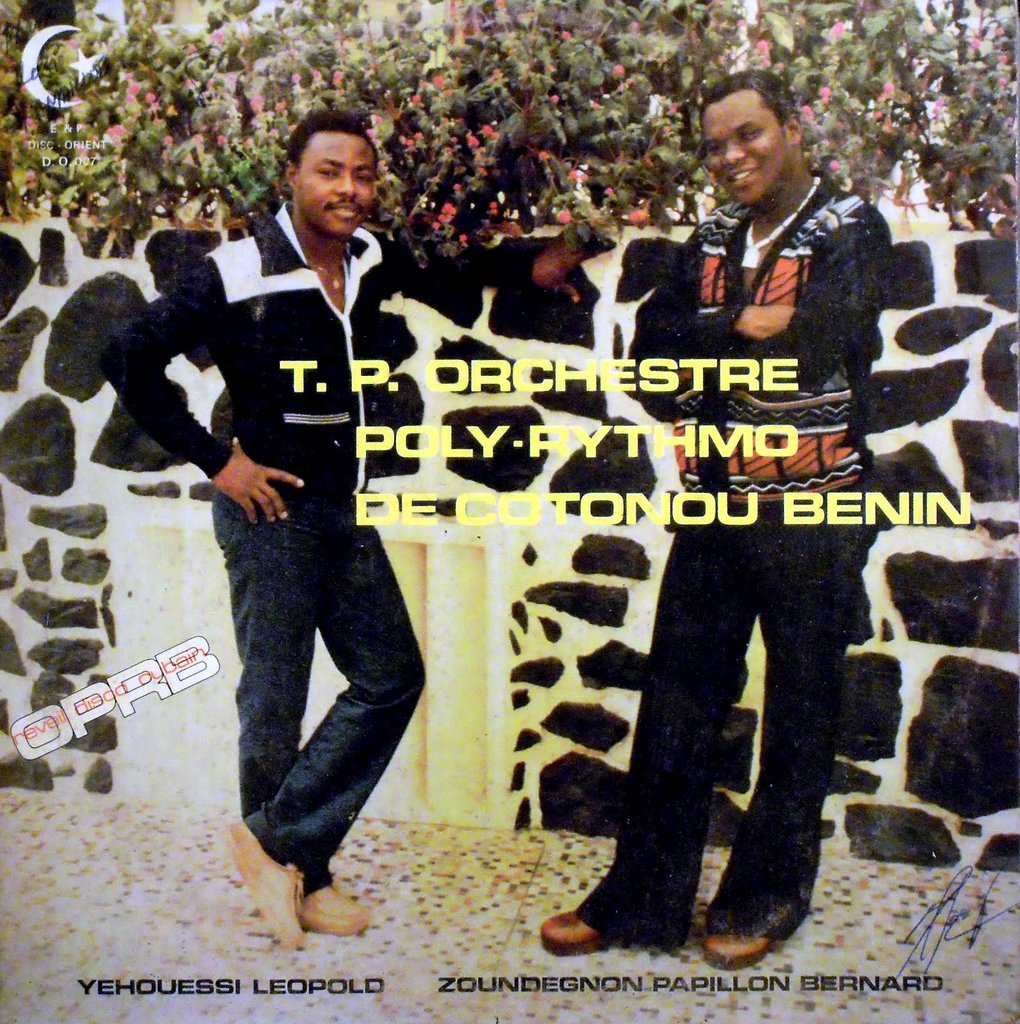
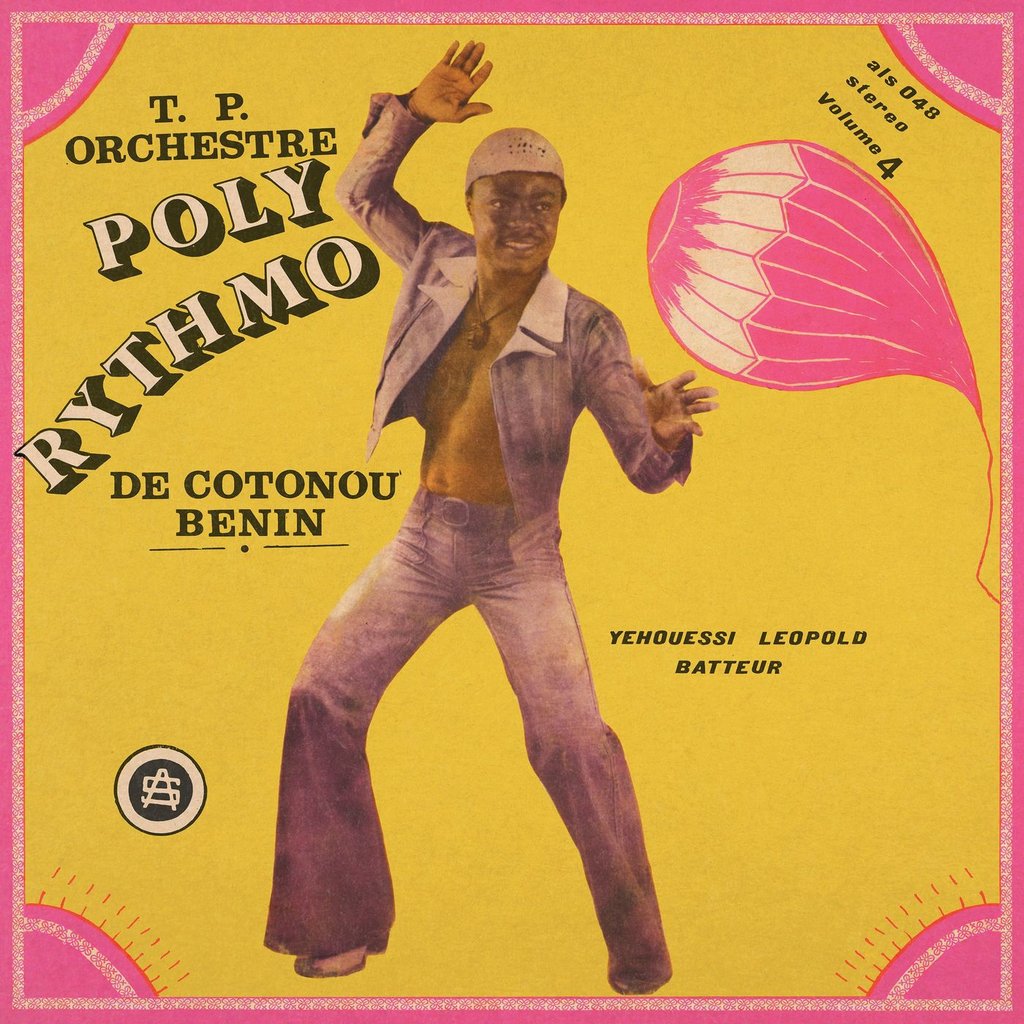
| 1982 | Death of guitarist Papillon and drummer Yehouessi |
| Late 1980s | The group dissolves |
| 2011 | Cotonou Club with Angélique Kidjo and the Franz Ferdinand |
| 2012 | Death of Mélomé Clément |
| 2016 | Madjafalao on the label Because Music |
From EMI studios to world stages: half a century of Beninese funk
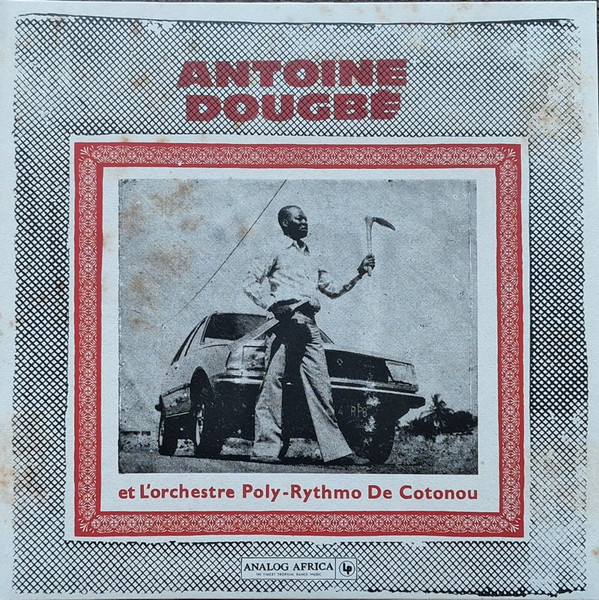
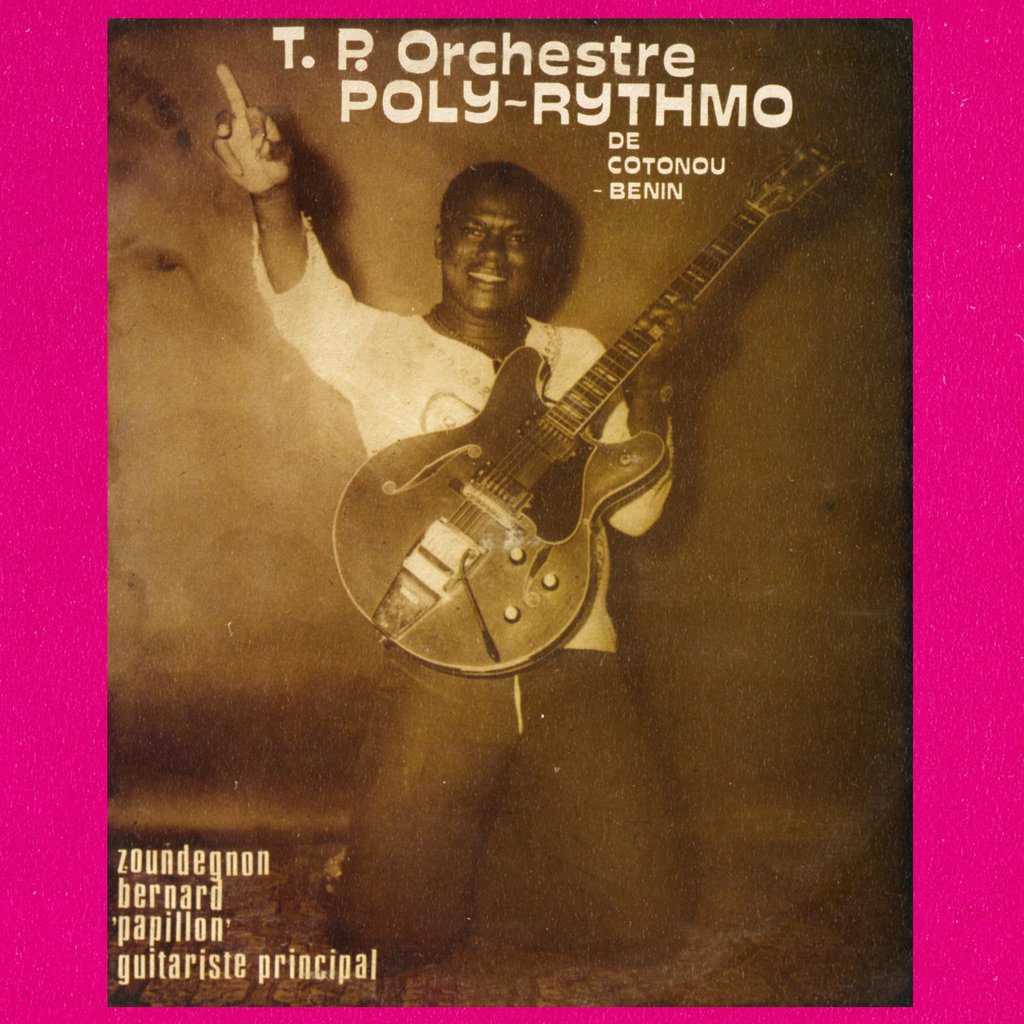
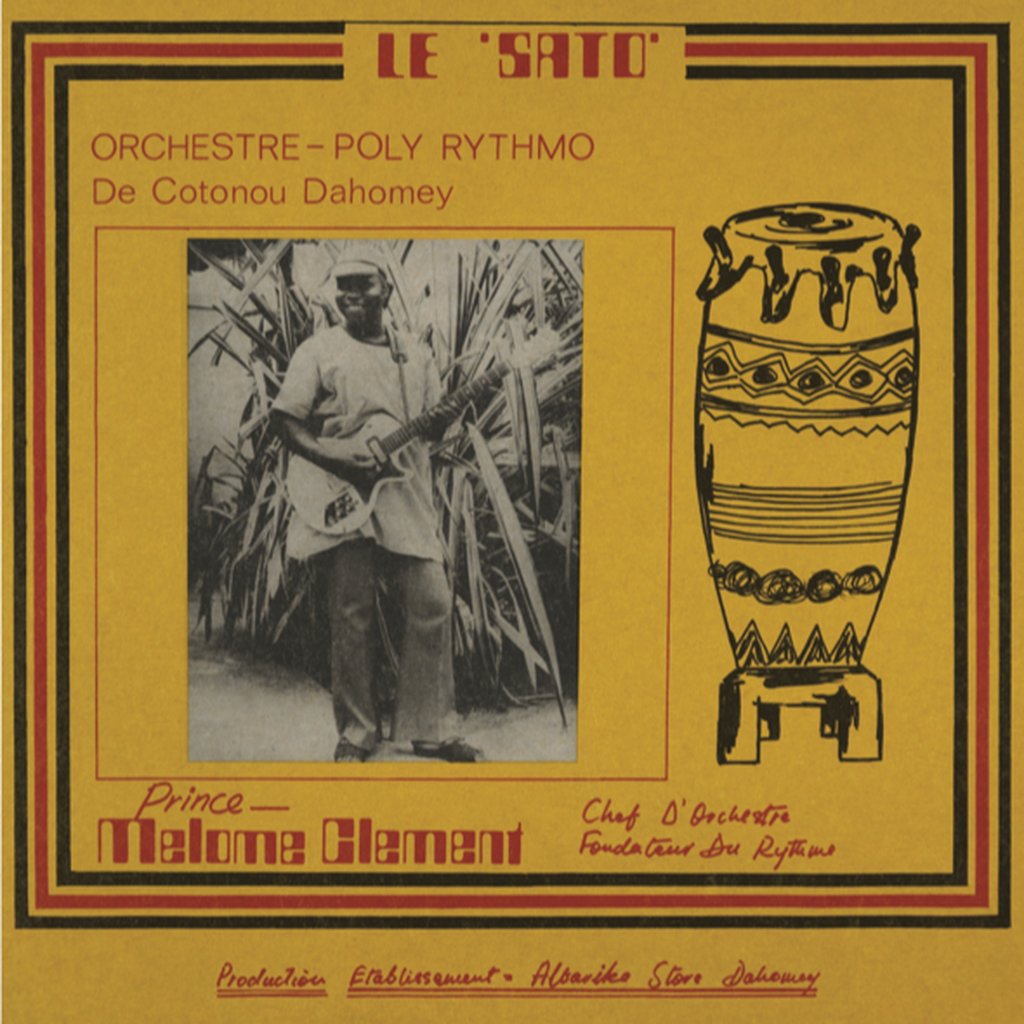
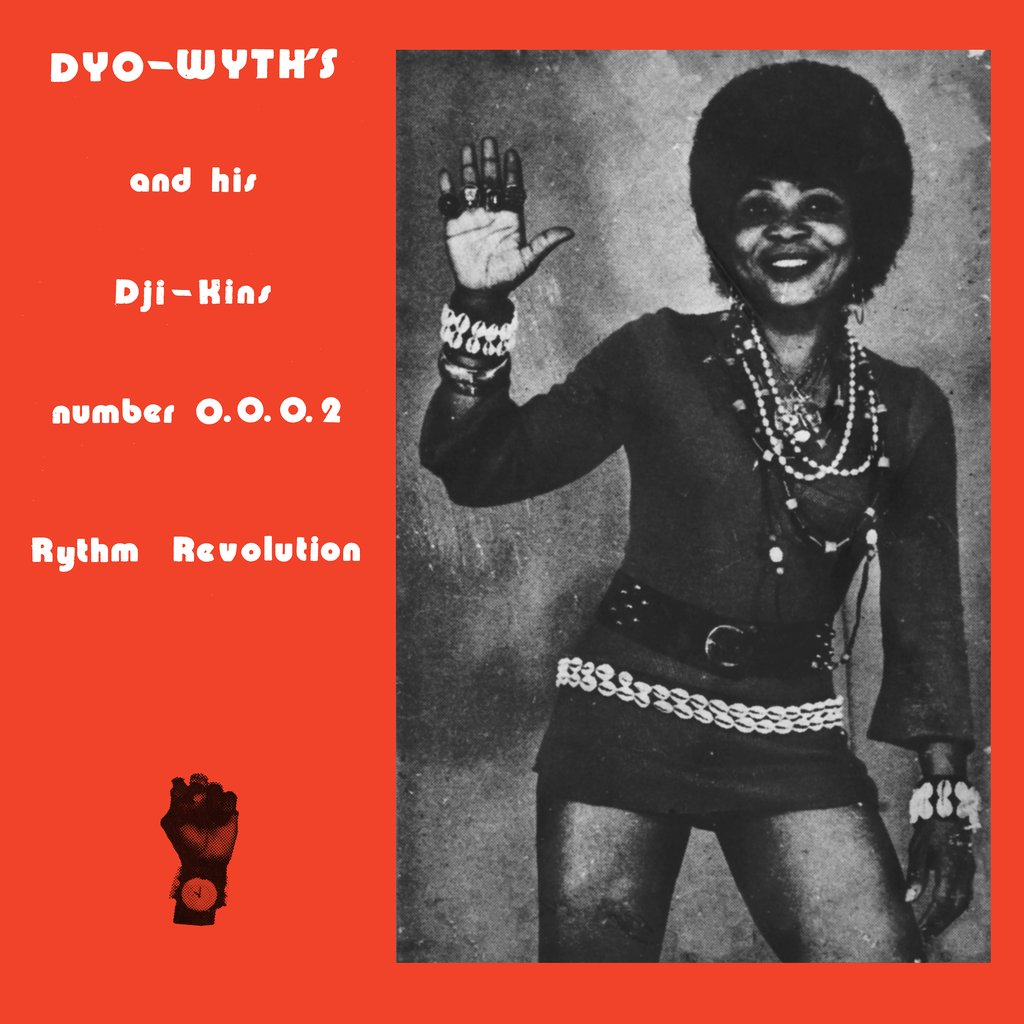
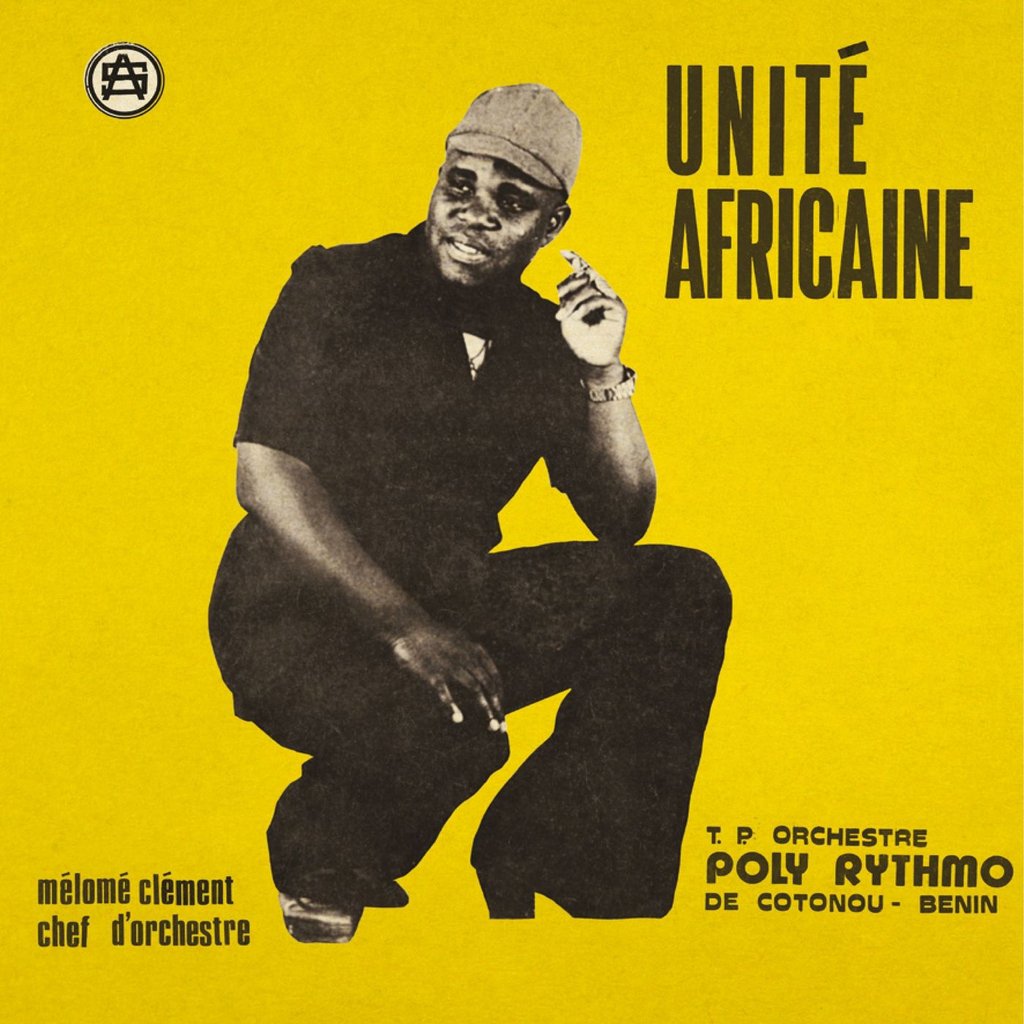
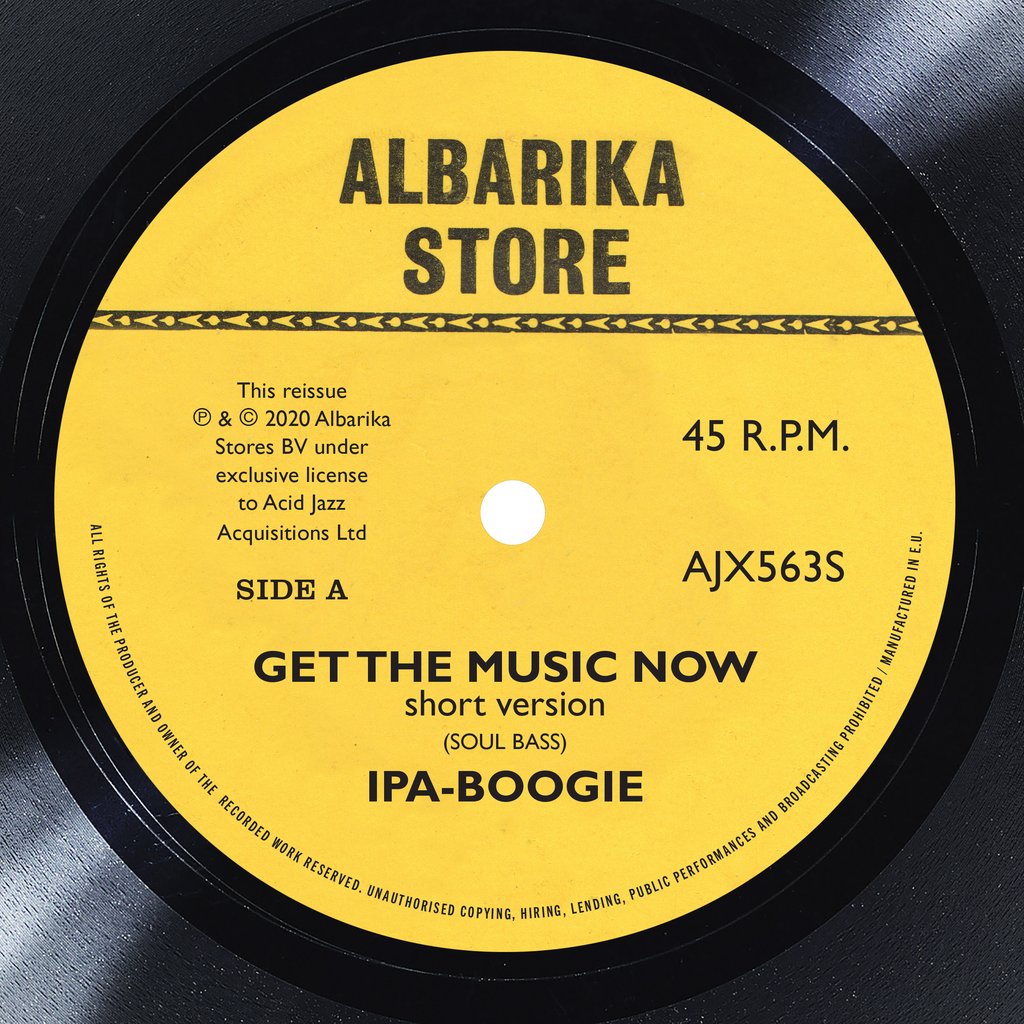
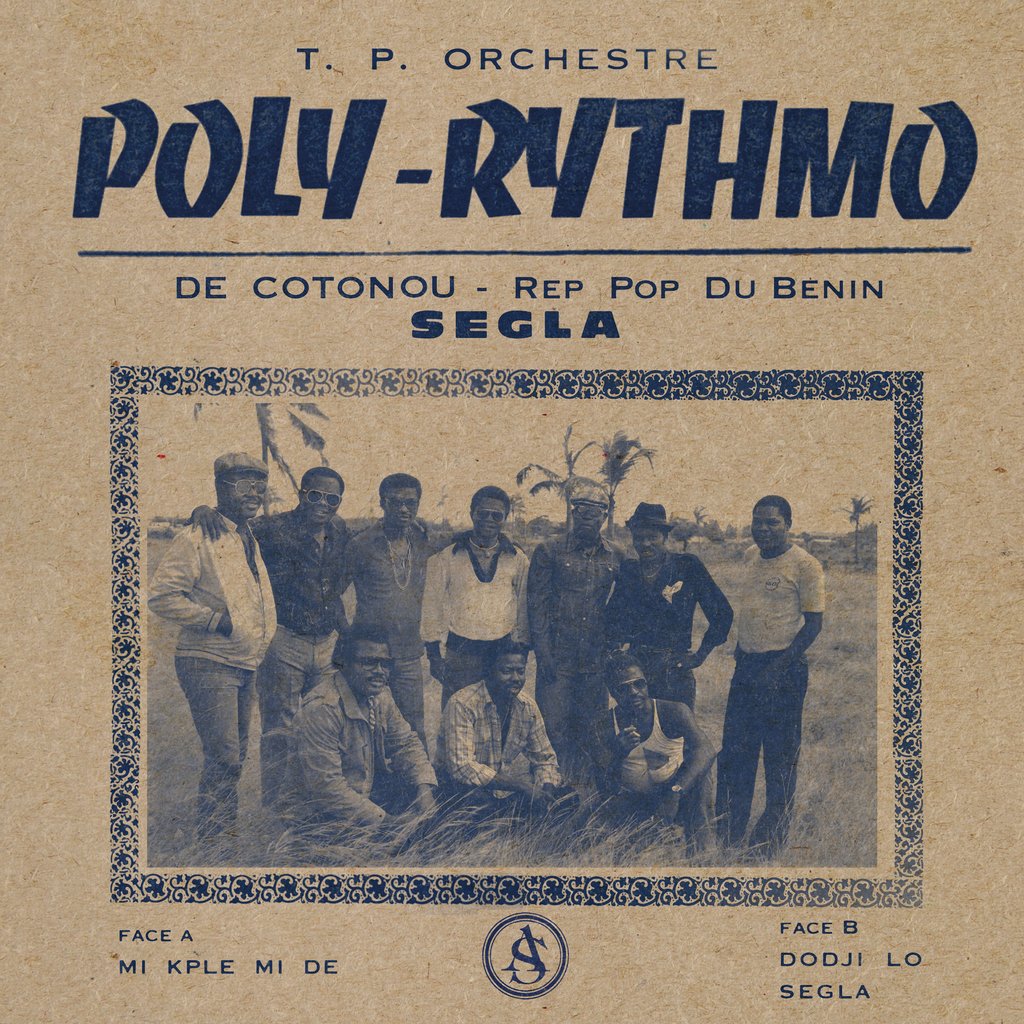
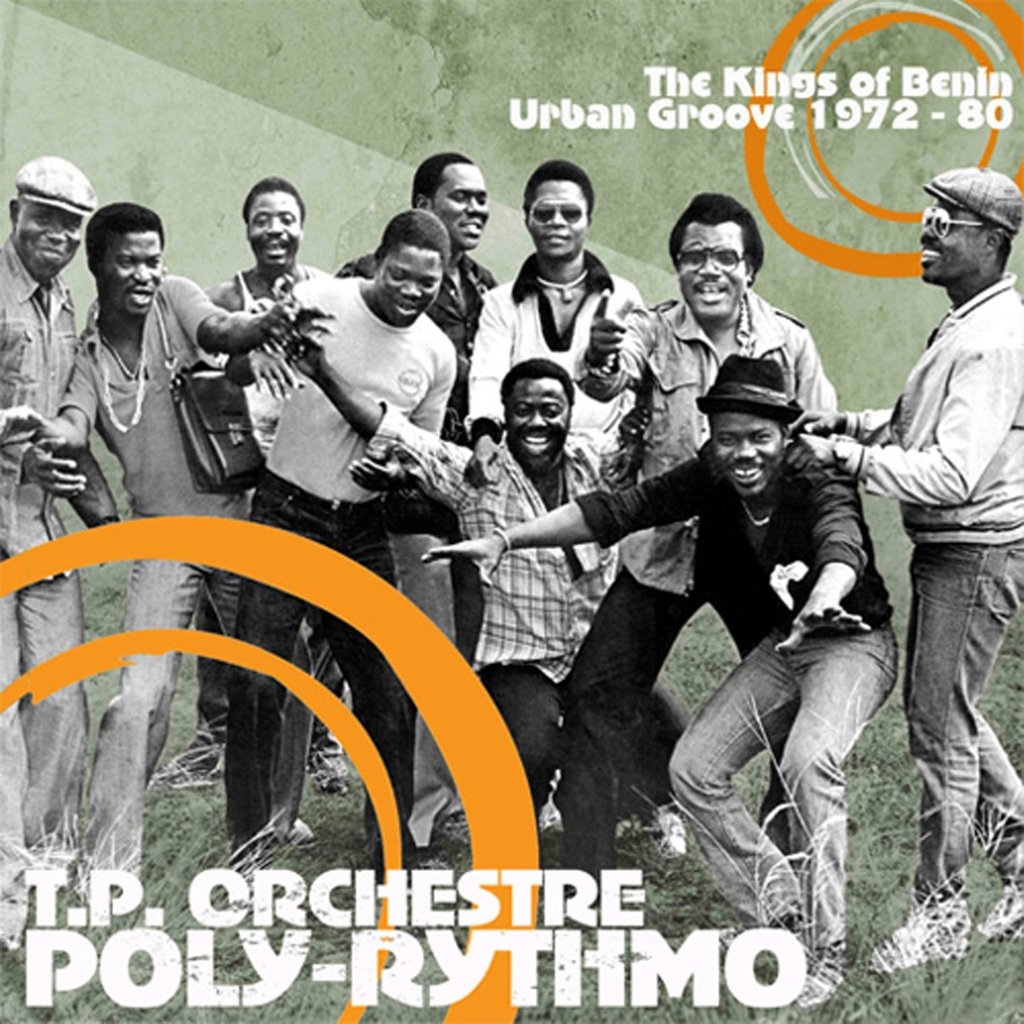
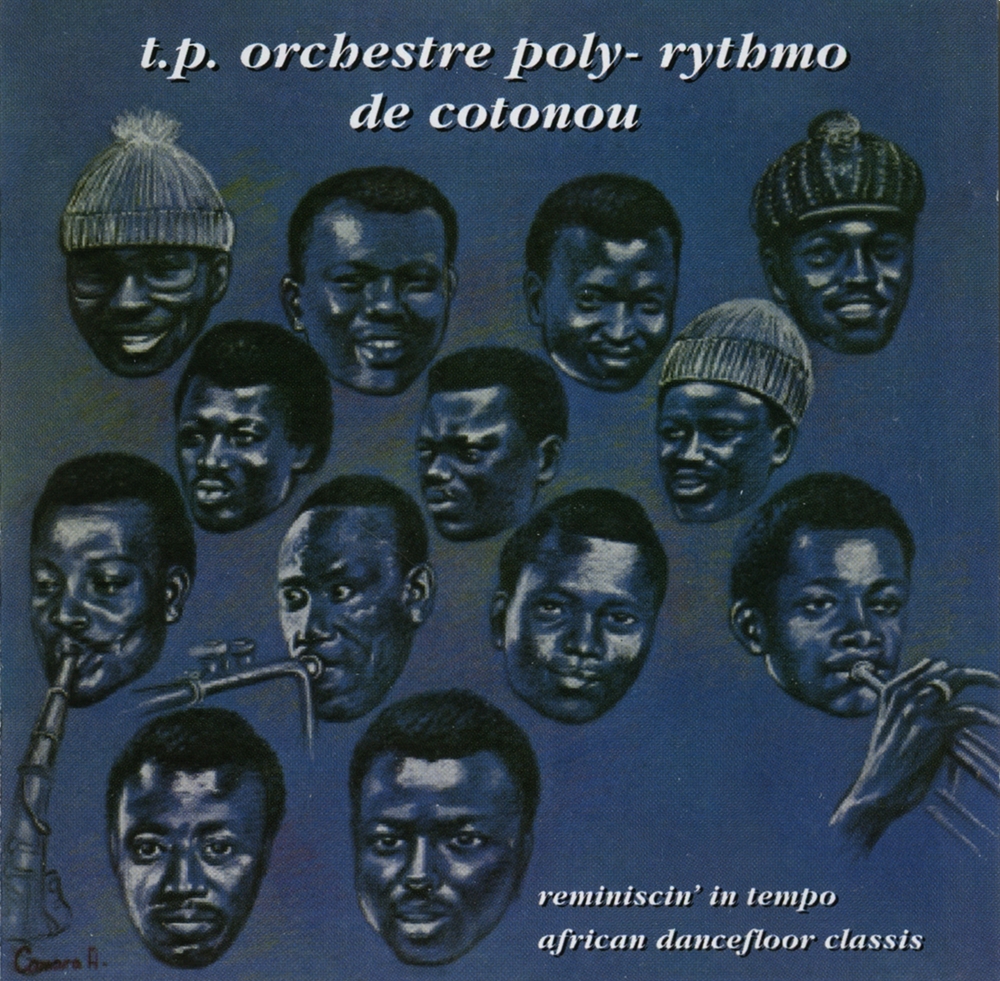
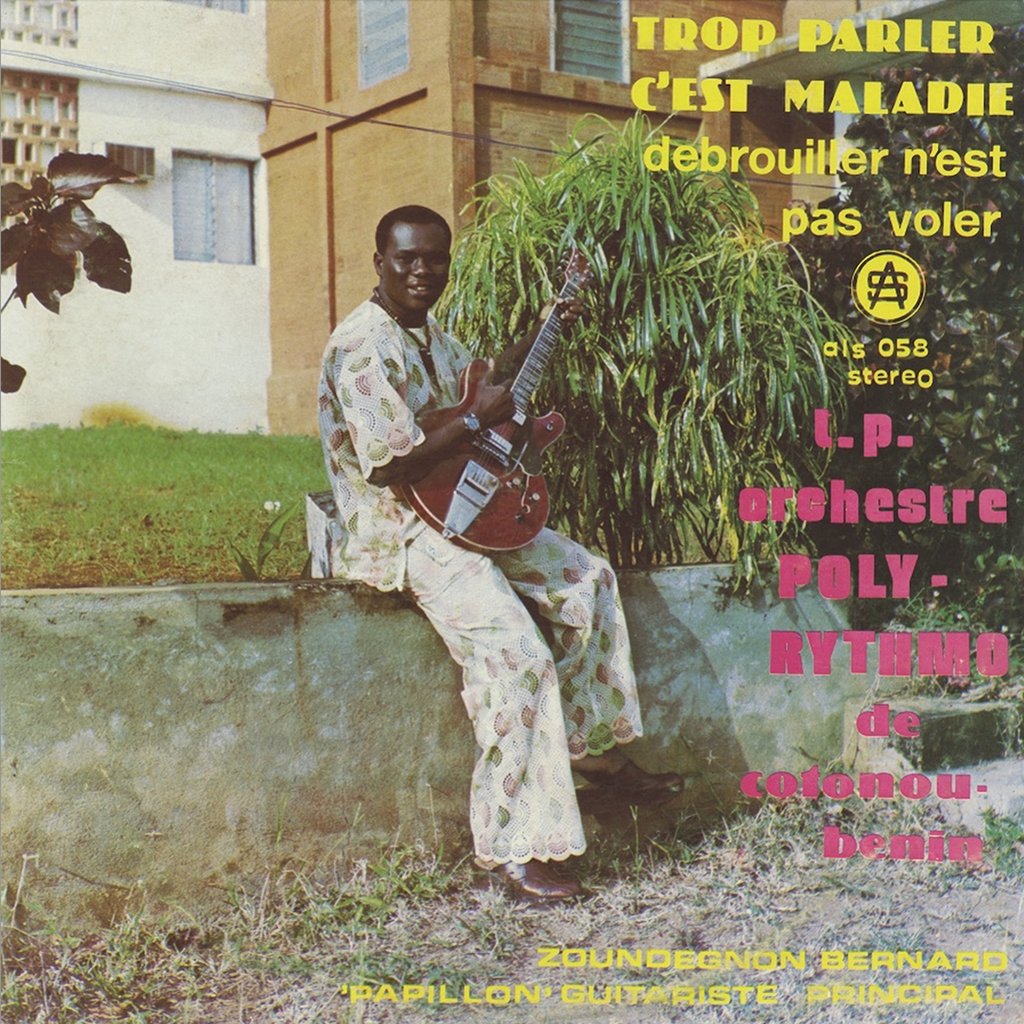
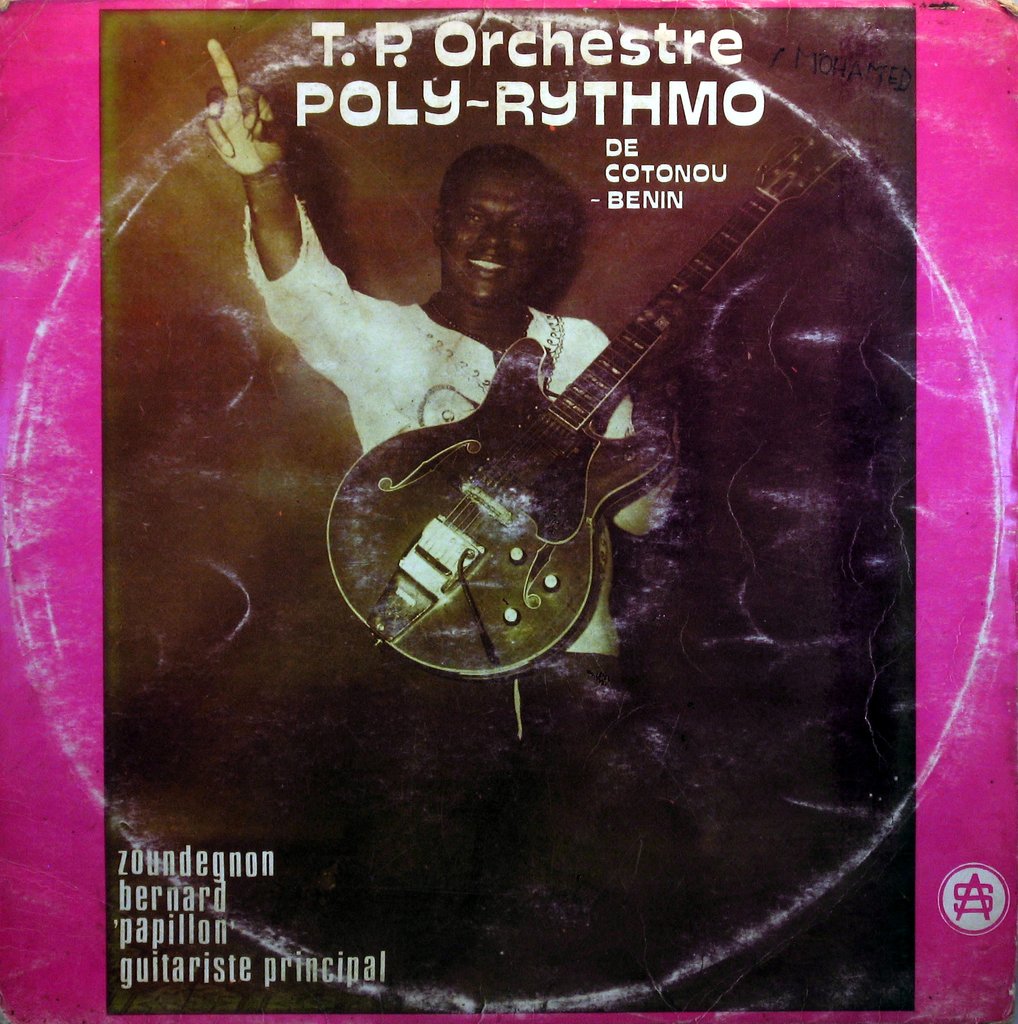
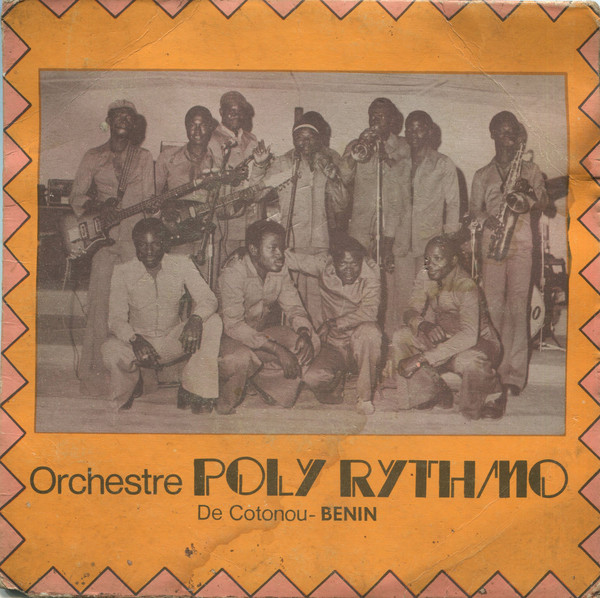
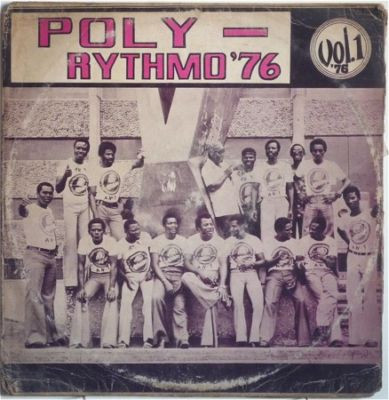
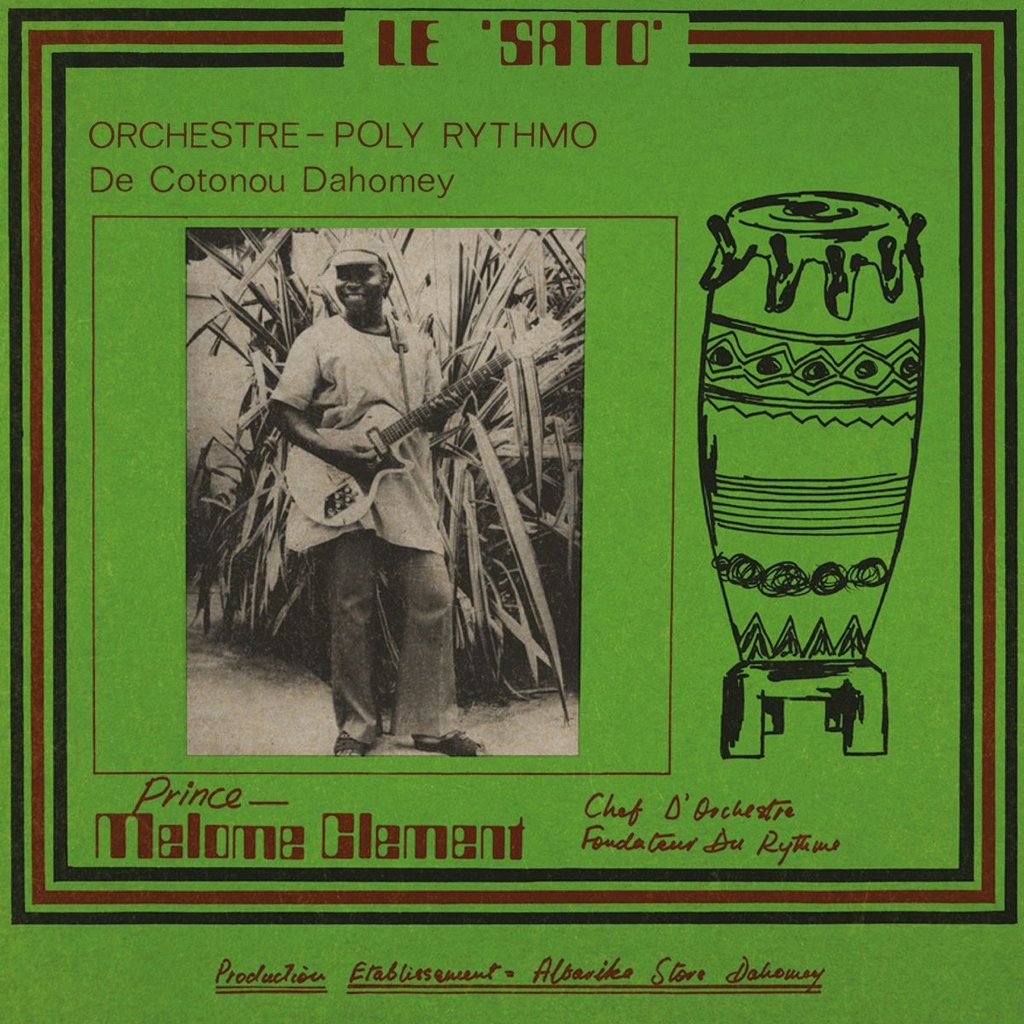
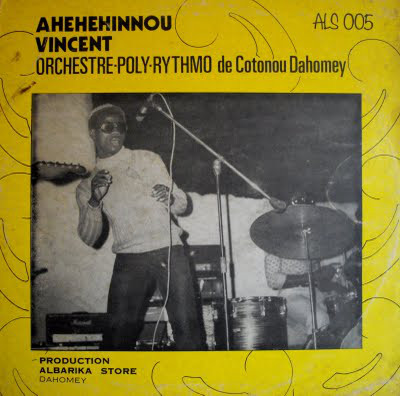
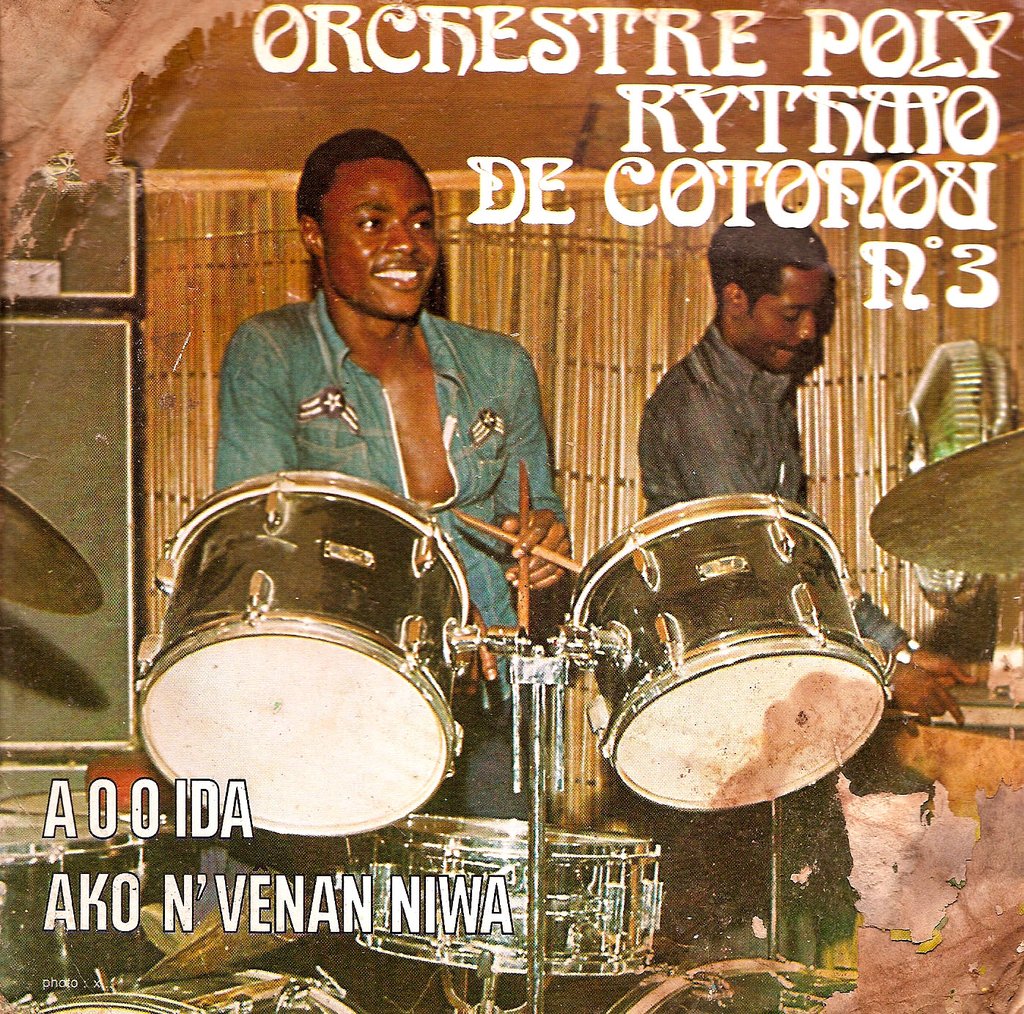
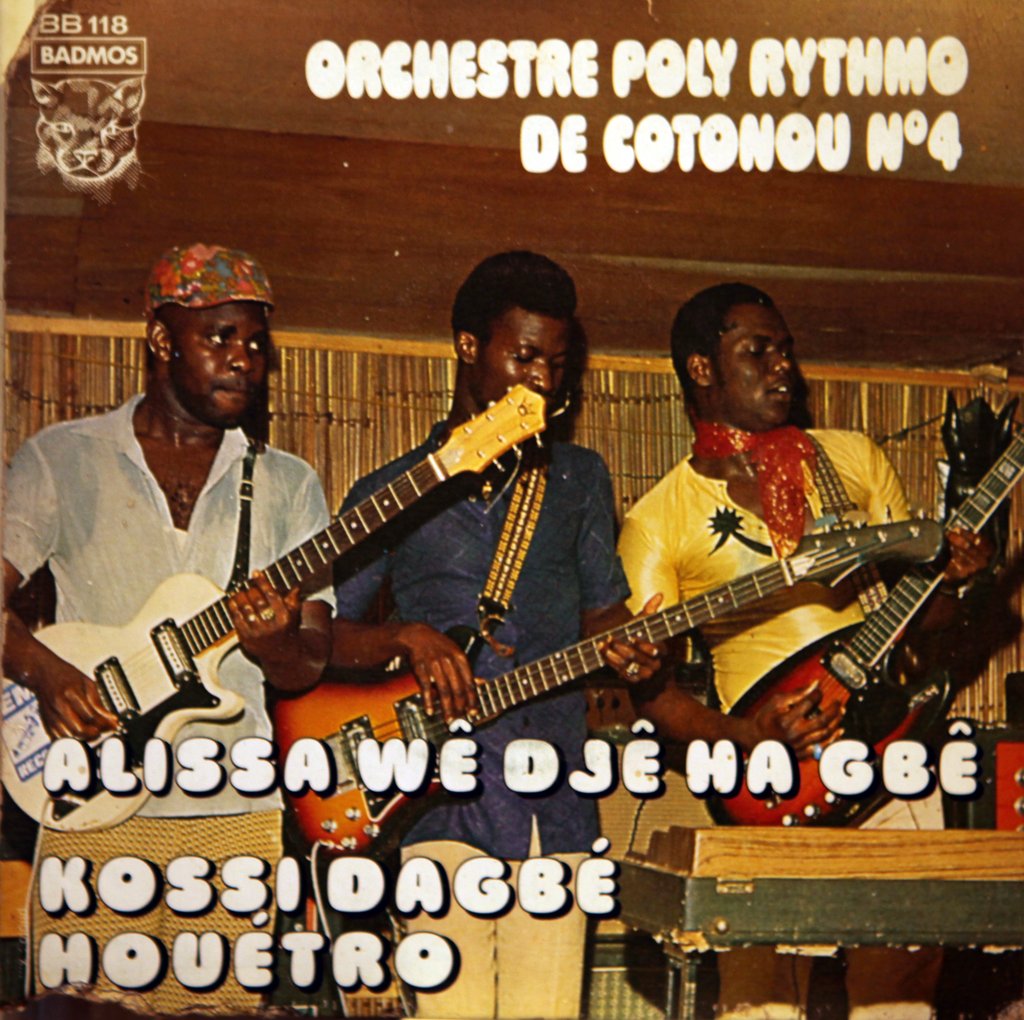
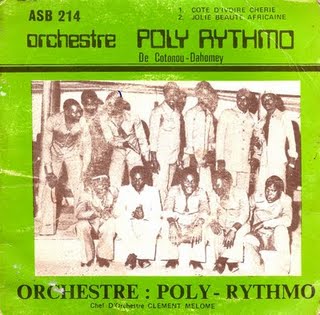
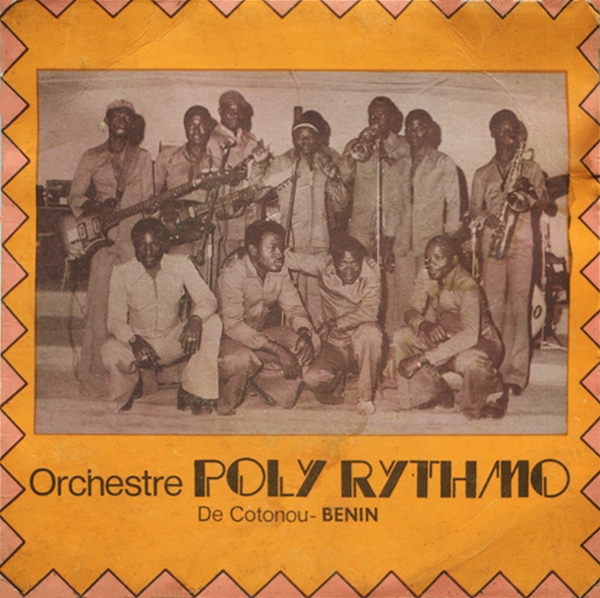
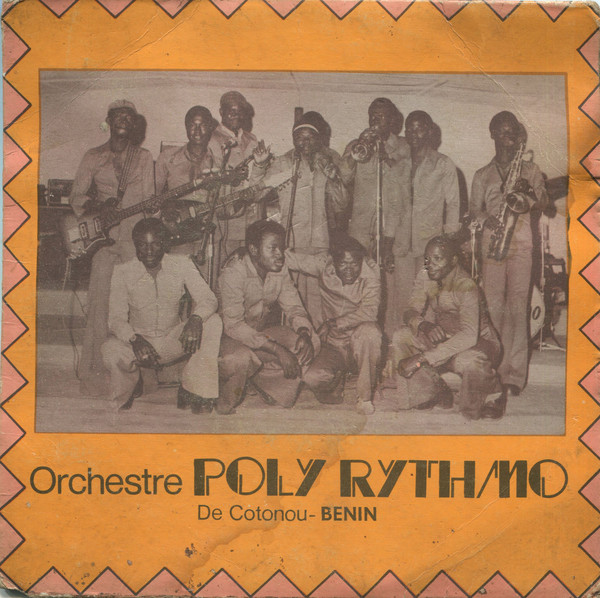
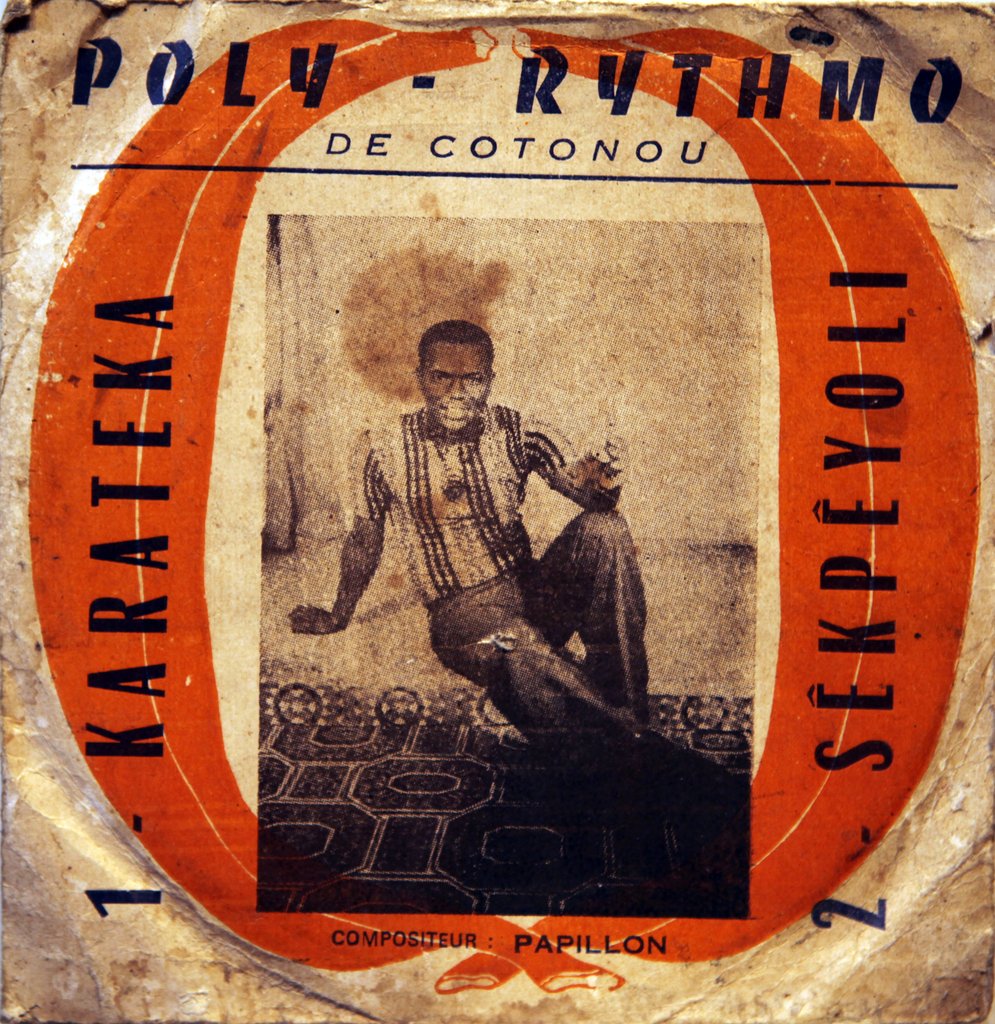
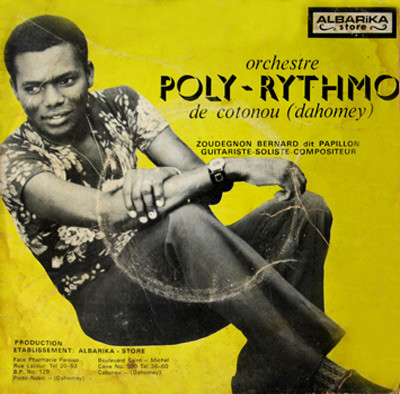
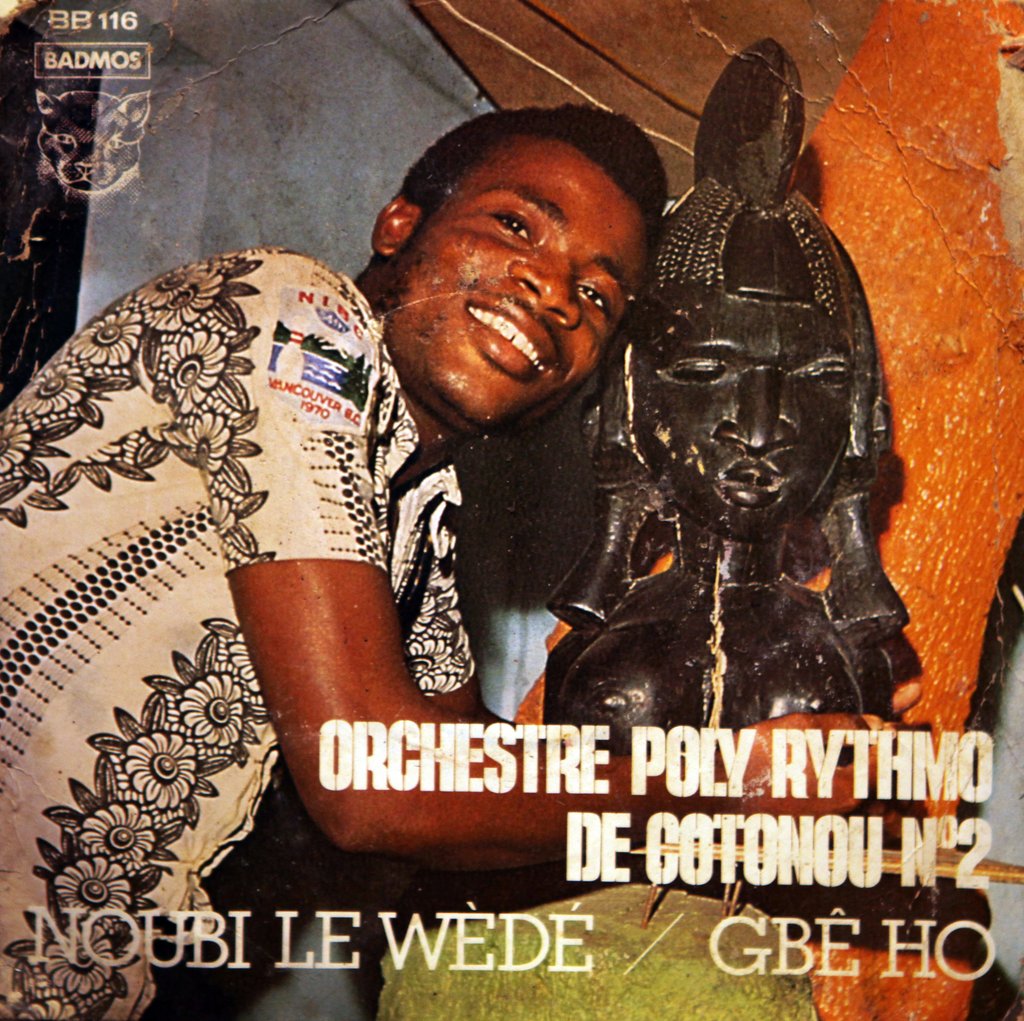
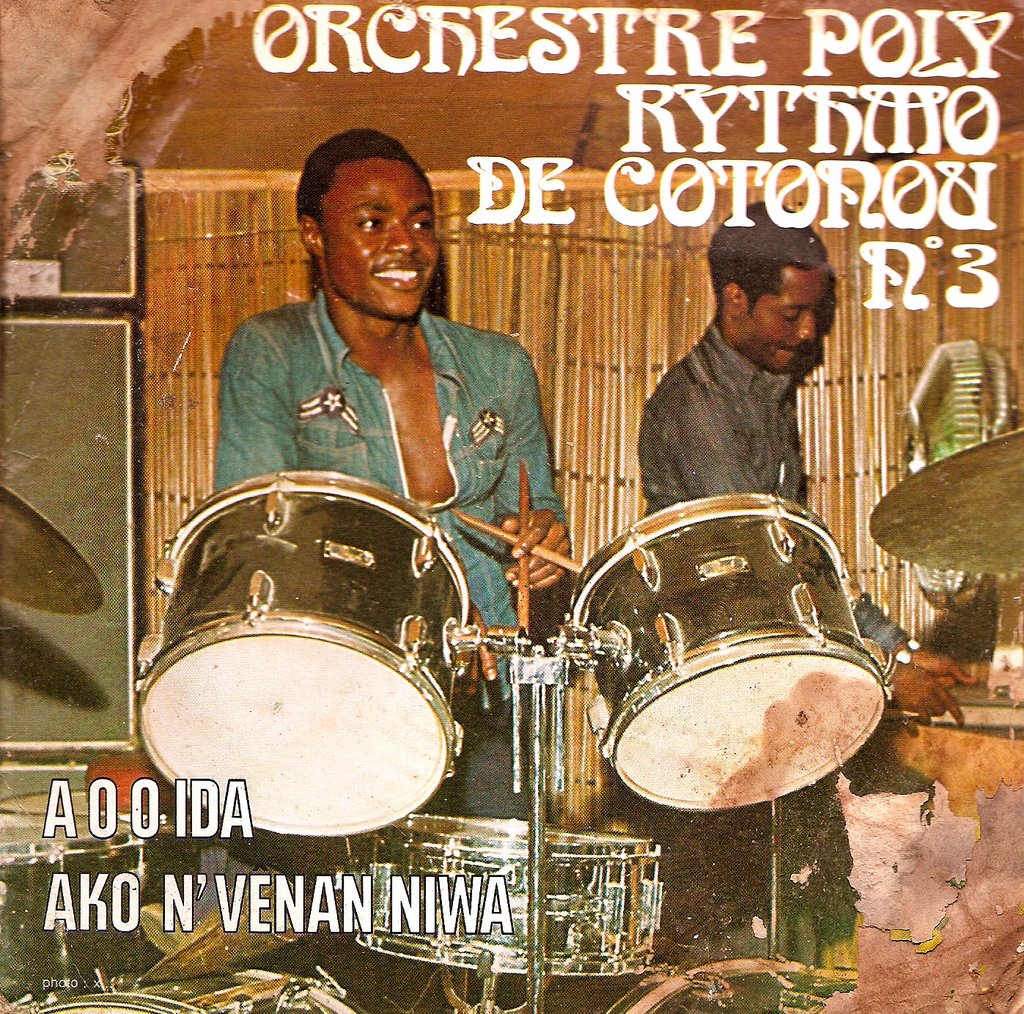
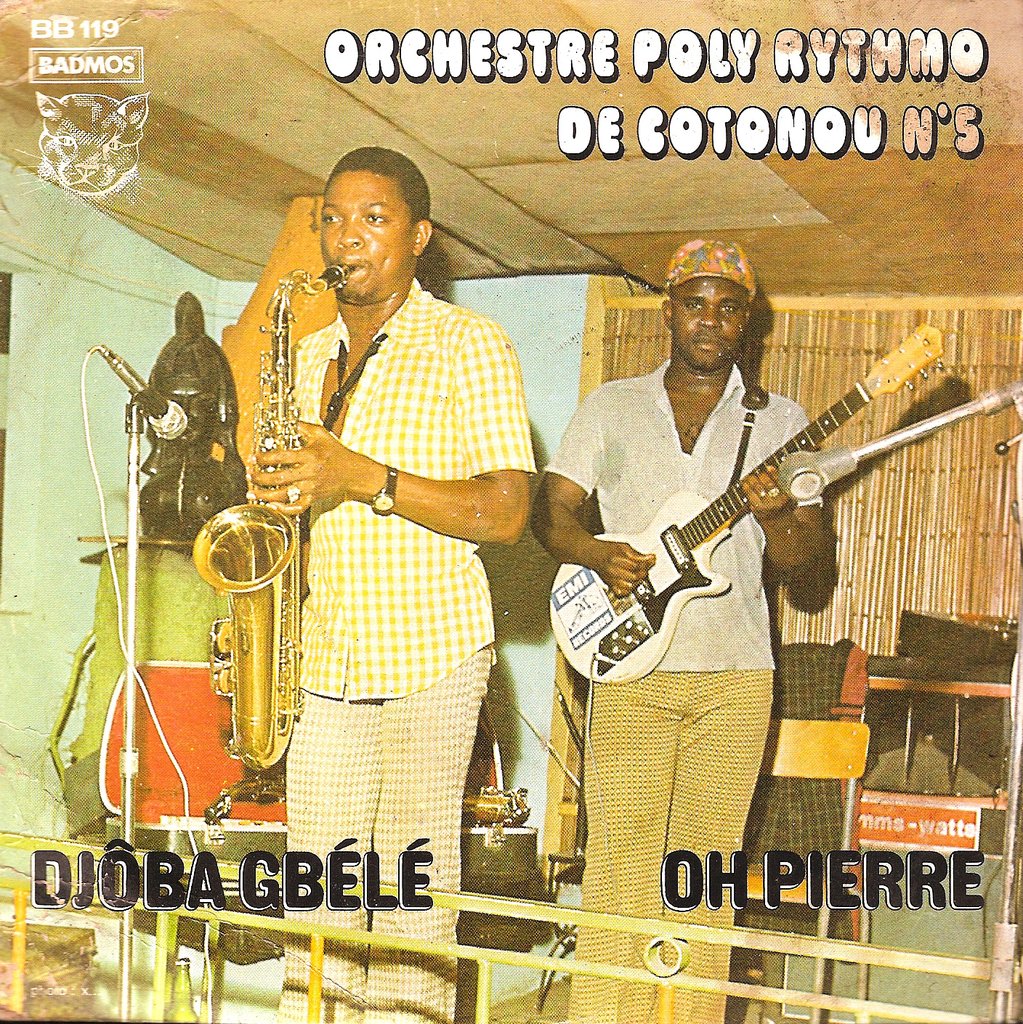
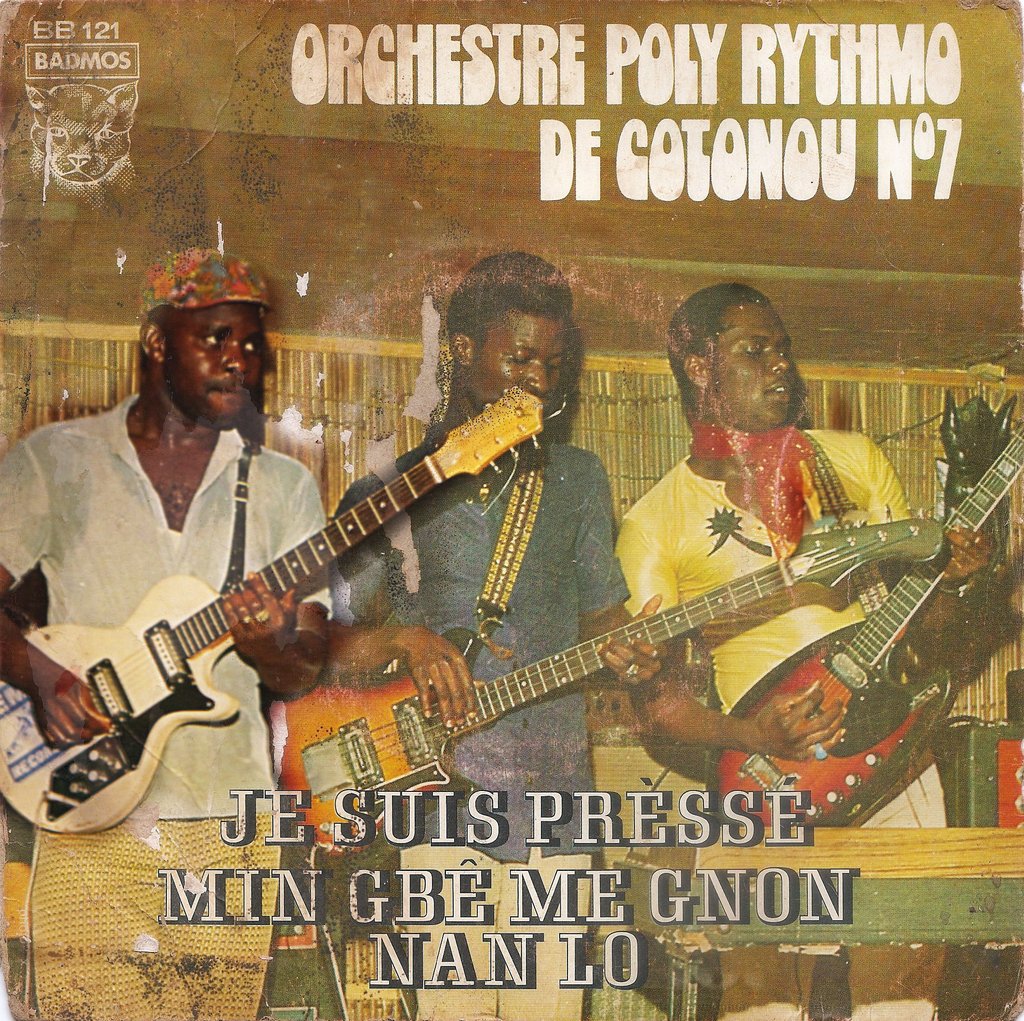
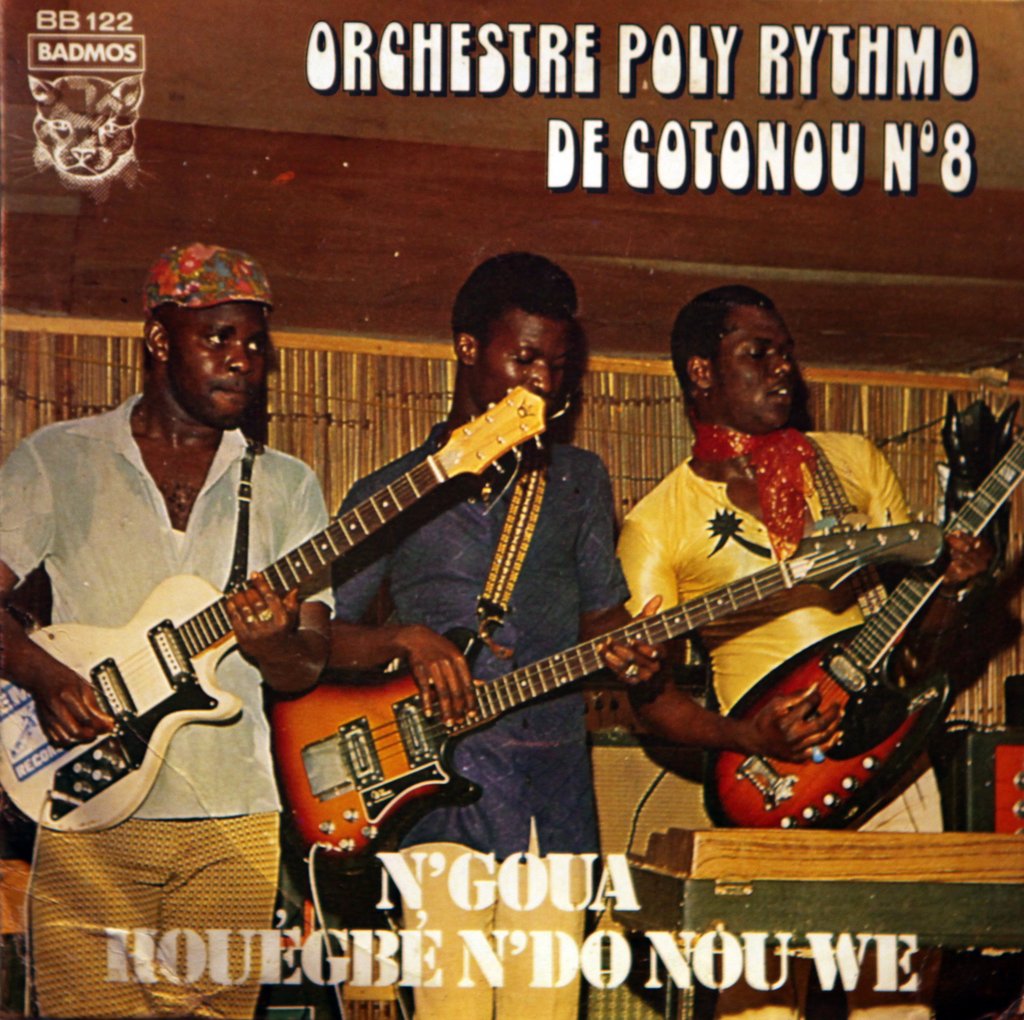
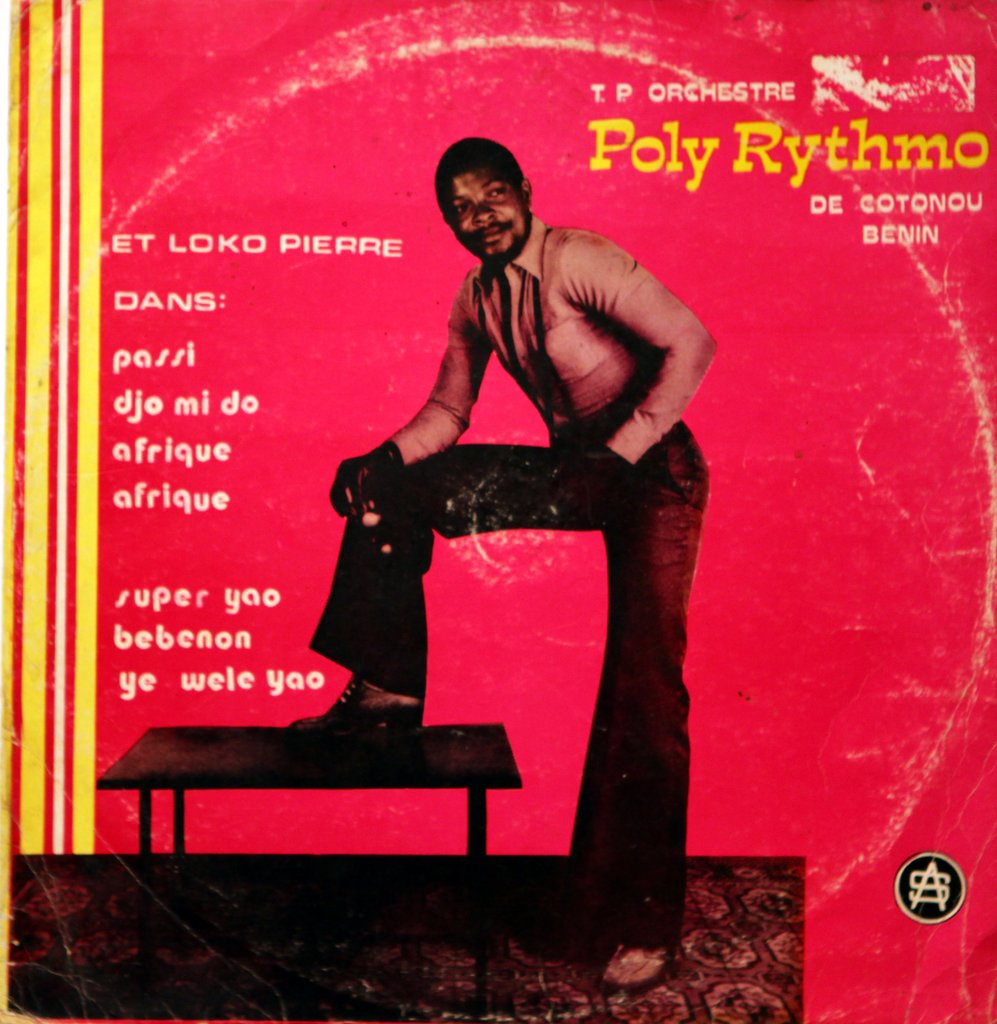
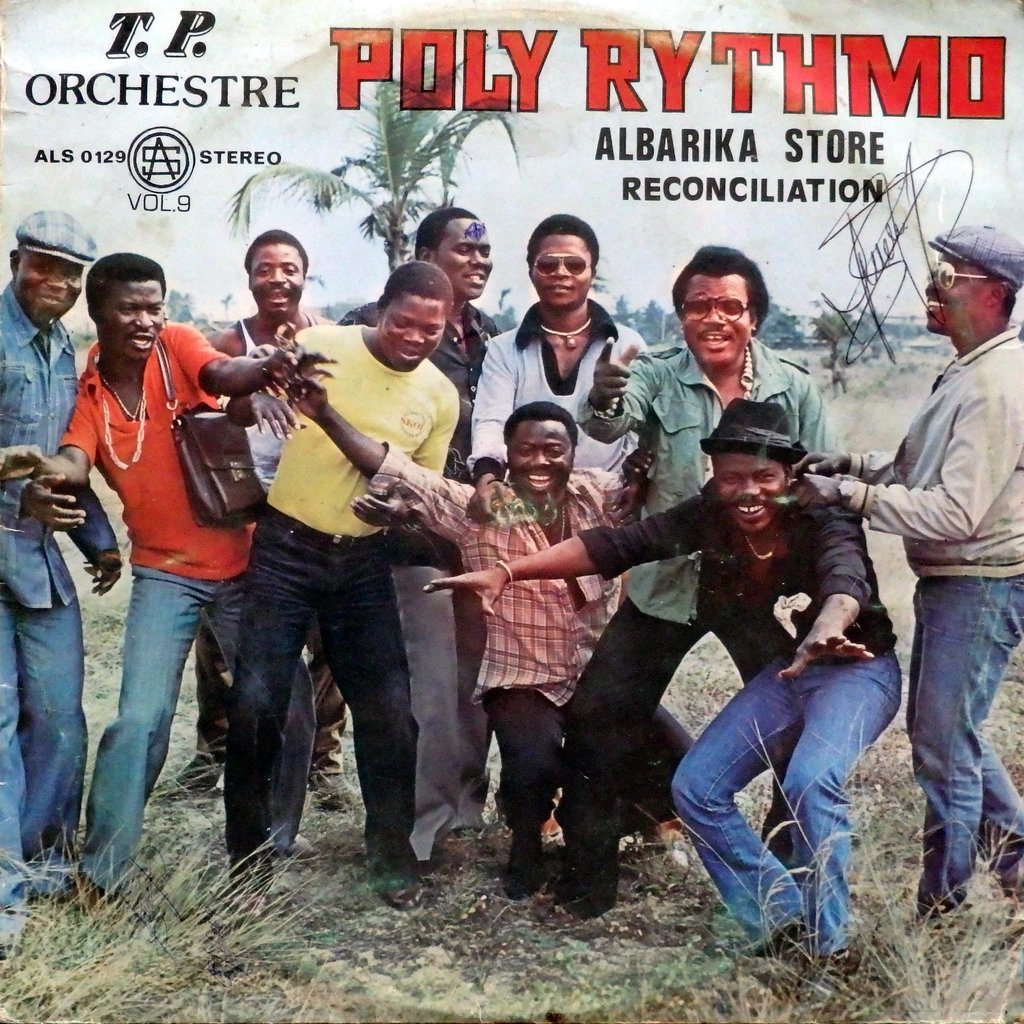
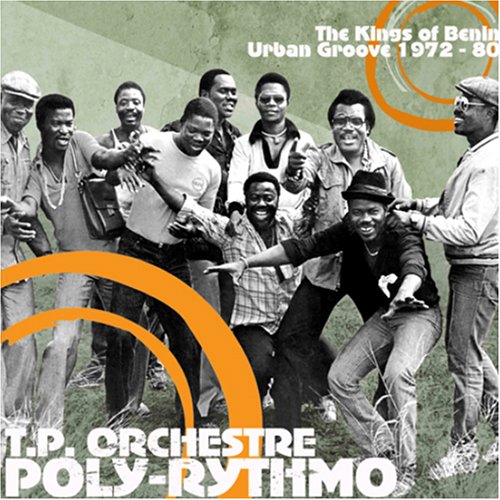
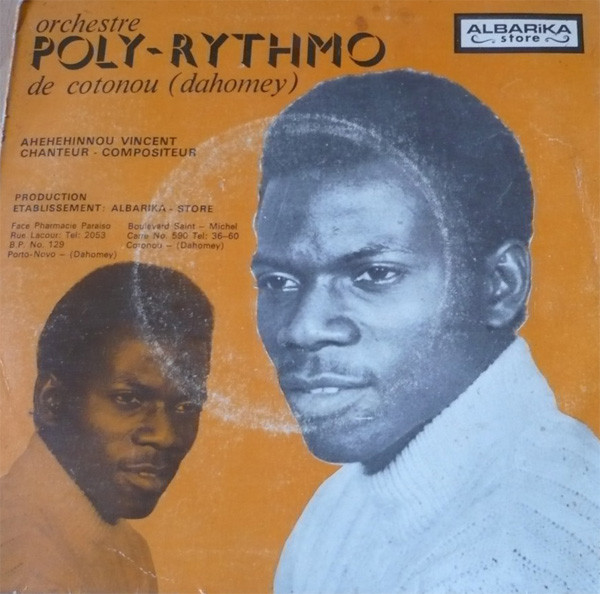
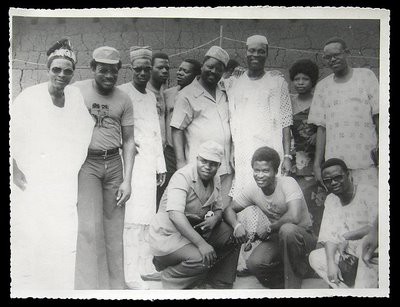
Mélomé Clément, accordionist and saxophonist, launched the adventure in 1968 in Cotonou. The group was first called Orchestre Poly-Disco, the house band for a label of the same name, before adopting the name Poly-Rythmo in 1969 after signing with Albarika Store, the influential label of Adissa Seidou. The first members were autodidacts — bar owners, welders or fishermen who practiced music to perfection. Mélomé, Vincent Ahéhéhinnou, bassist Gustave Bentho, guitarist Bernard Zoundégnon (nicknamed Papillon) and Joseph Vicky formed a tight core. At its peak, the formation counted sixteen musicians. Their sound drew from sato yoruba — a percussive style from southern Benin inherited from vodoun rites — and blended it with Western sounds captured on the radio: James Brown, the Doors, Funkadelic. “The Beatles’ success was linked to each individuality; on the contrary, Poly-Rythmo was built on a team spirit, there is no solo star,” Vincent Ahéhéhinnou would later explain (RFI, 2016).
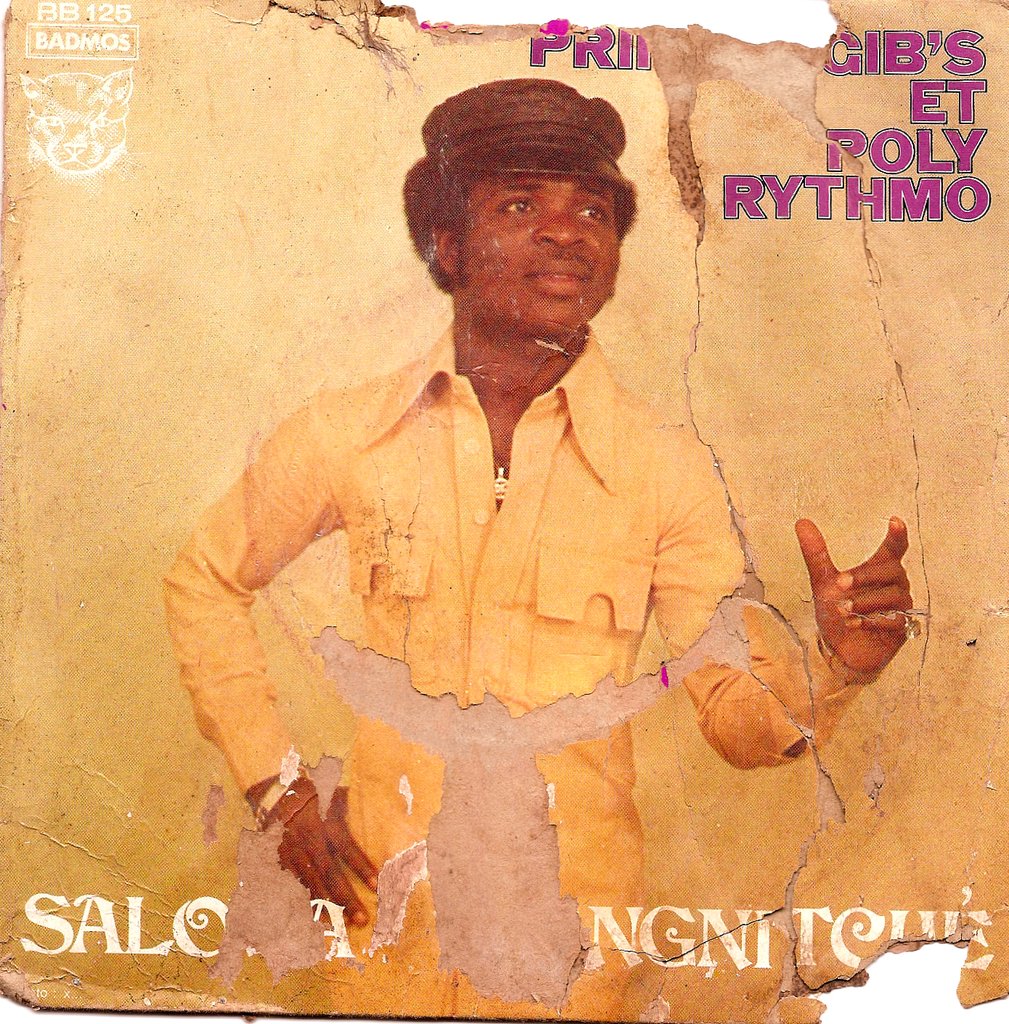
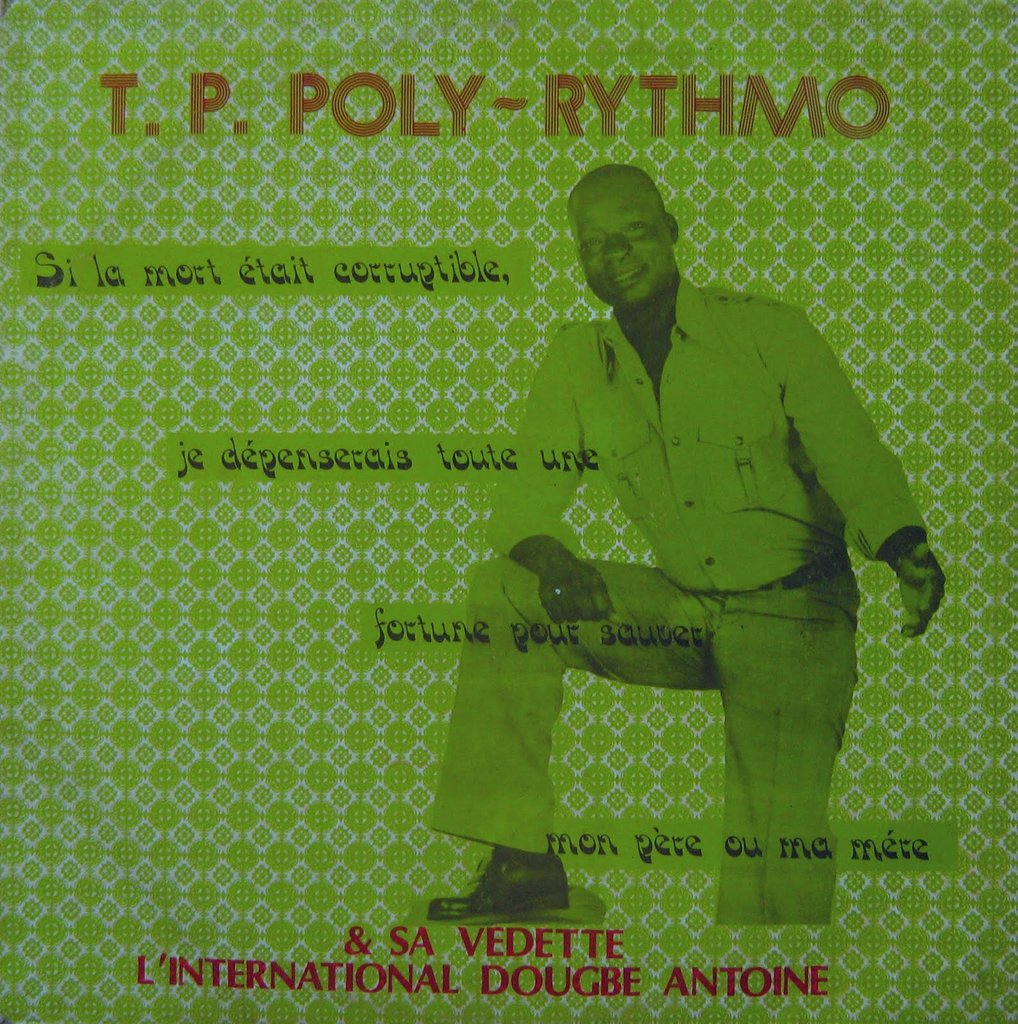
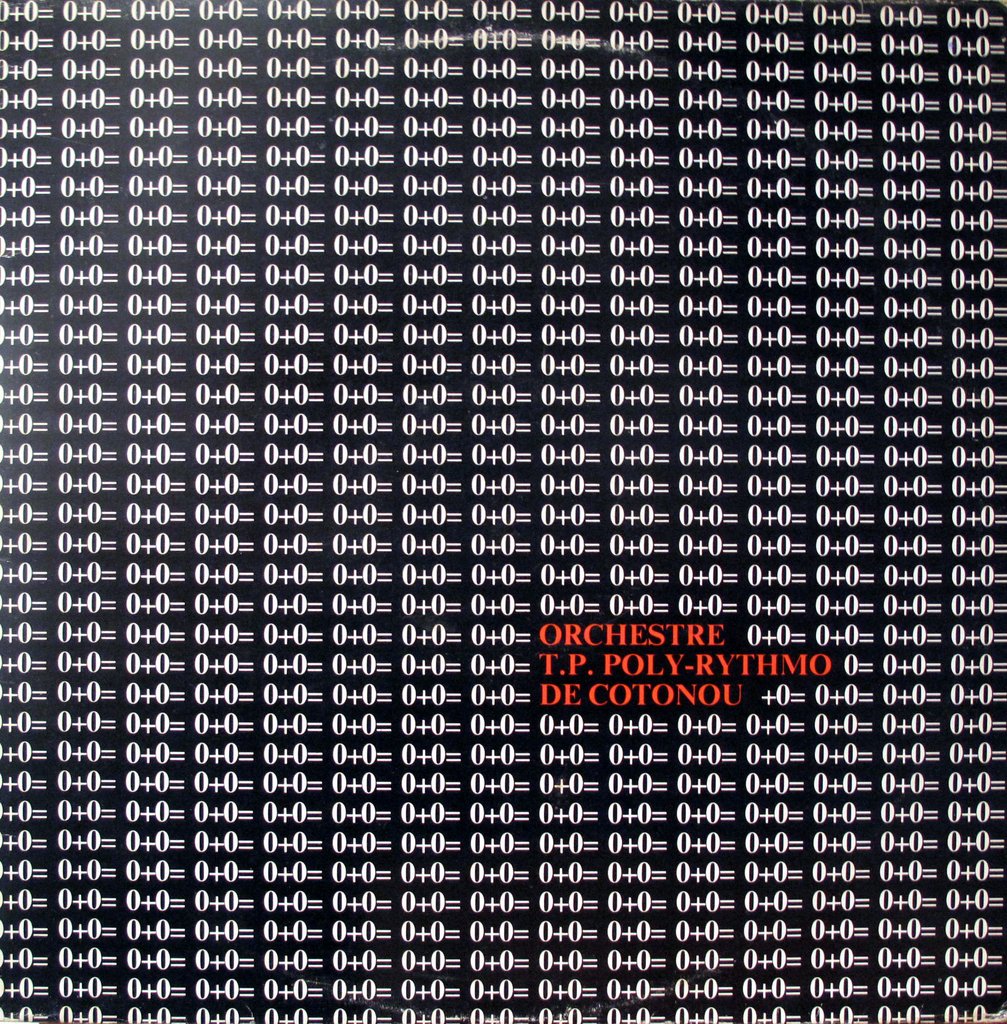
In 1973, Adissa Seidou financed a trip to Lagos to record a first full album in the EMI studios — exactly those where Fela Kuti recorded his own classics. The result, recorded in two sessions, is titled The 1st Album. Four afrobeat tracks composed entirely by Vincent. The album became a cult hit in Benin and beyond. The 1970s saw Poly-Rythmo record around 500 tracks in various styles — funk, highlife, soukous, rumba, jazz — for Beninese labels that sometimes pressed fewer records than the number of copies sold. At FESTAC 77 in Lagos, the group finished third in a battle of the bands, which did not prevent them from conquering a true cult following among the Nigerian public. They became the preferred orchestra of Marxist-Leninist government of Mathieu Kérékou. “We played a lot of afrobeat, and we continue” (RFI, 2016). In 1982, the hard blow struck: guitarist Papillon and drummer Yehouessi died within a few months of each other. The group was weakened forever. Vincent, who left in 1978 after a conflict with the producer, would not return until 2009.
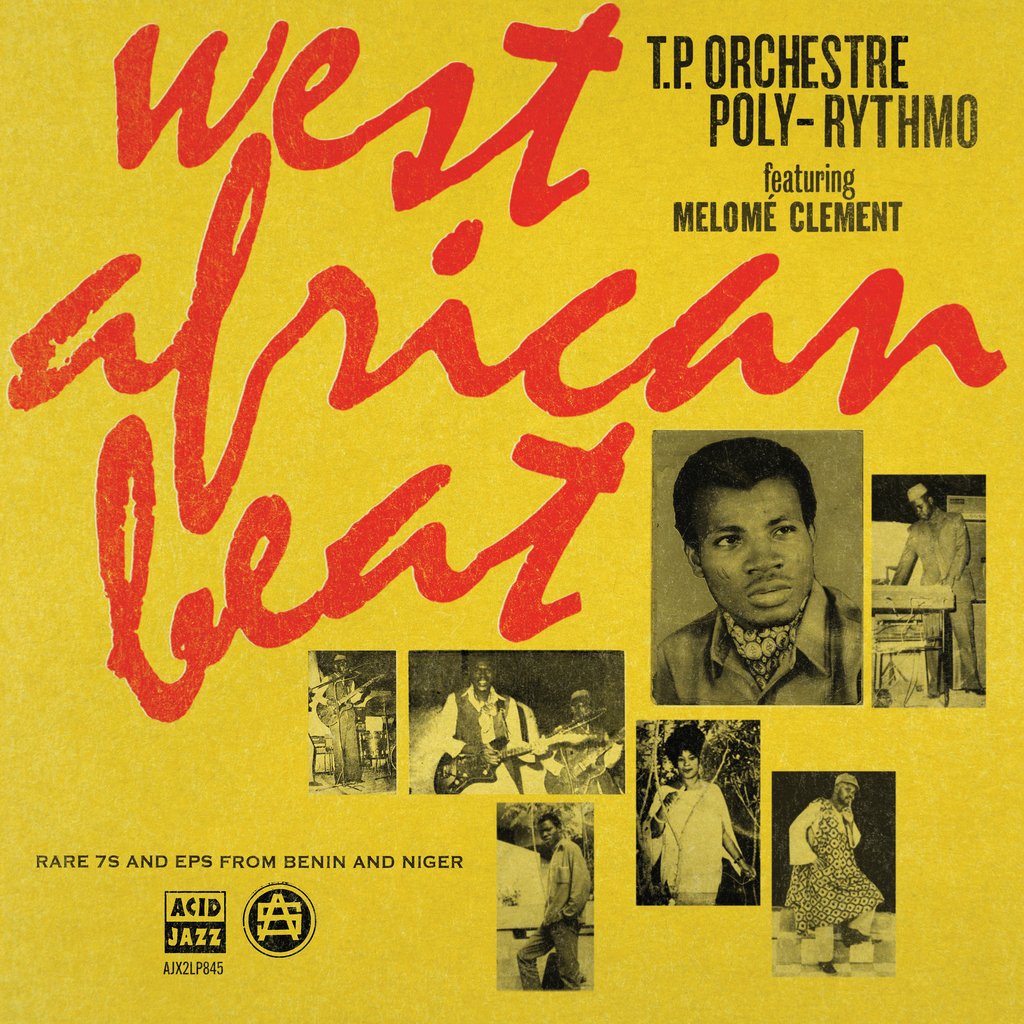
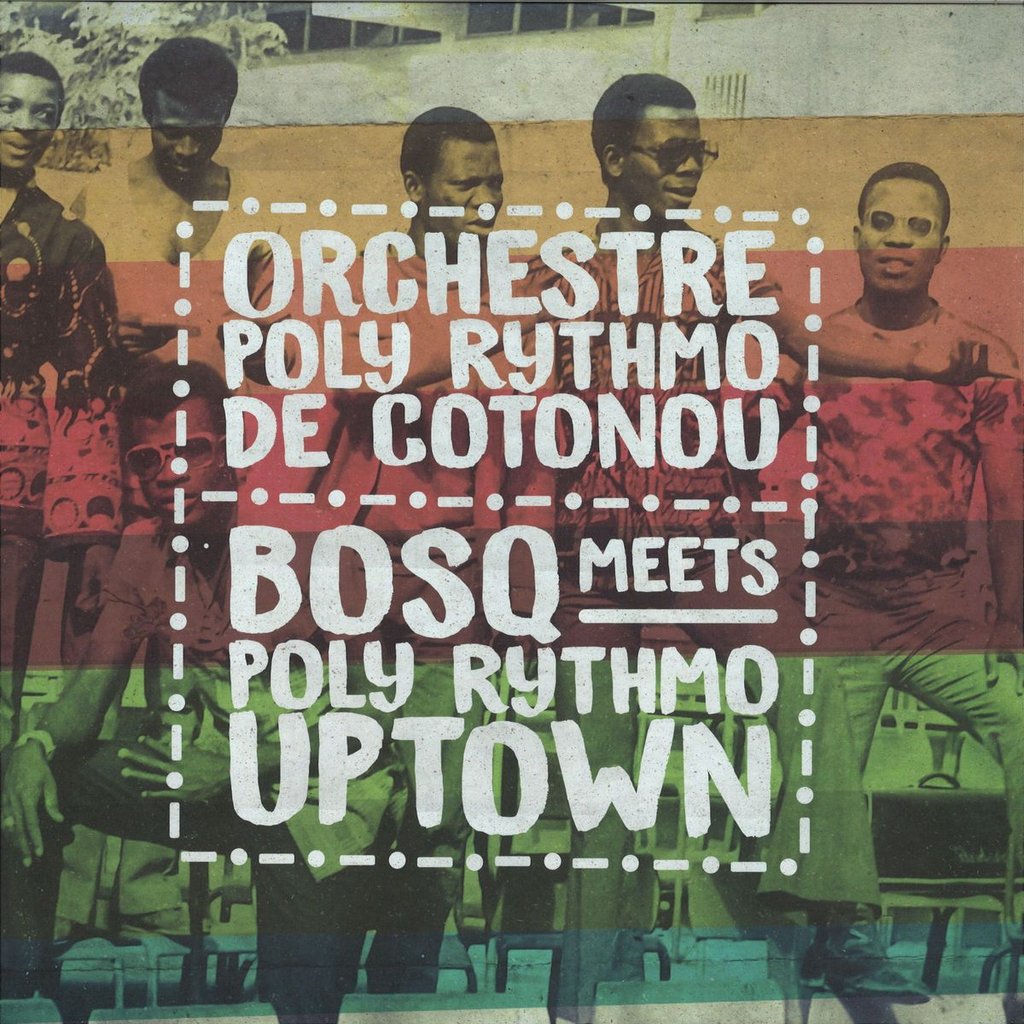
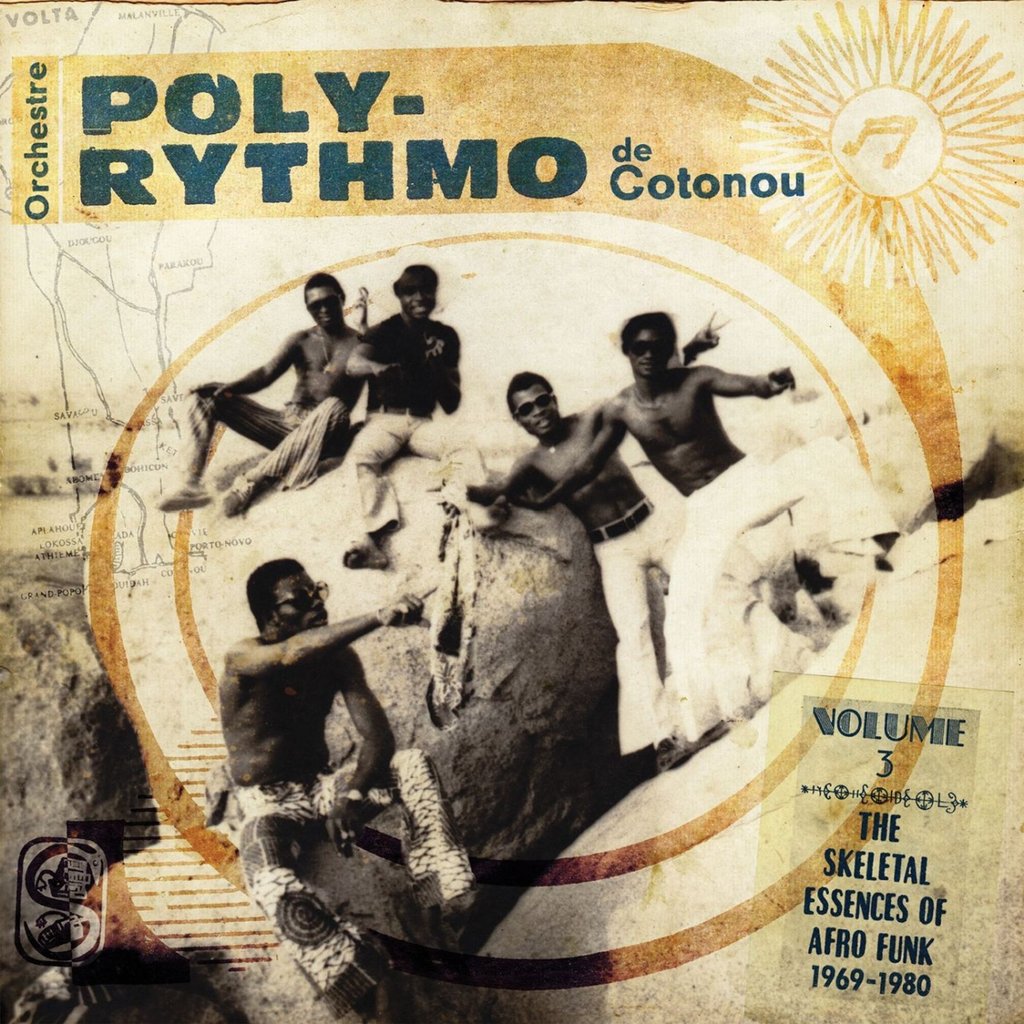
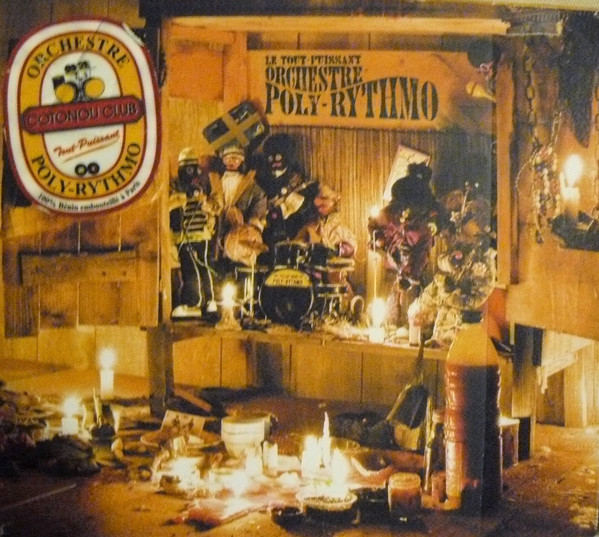
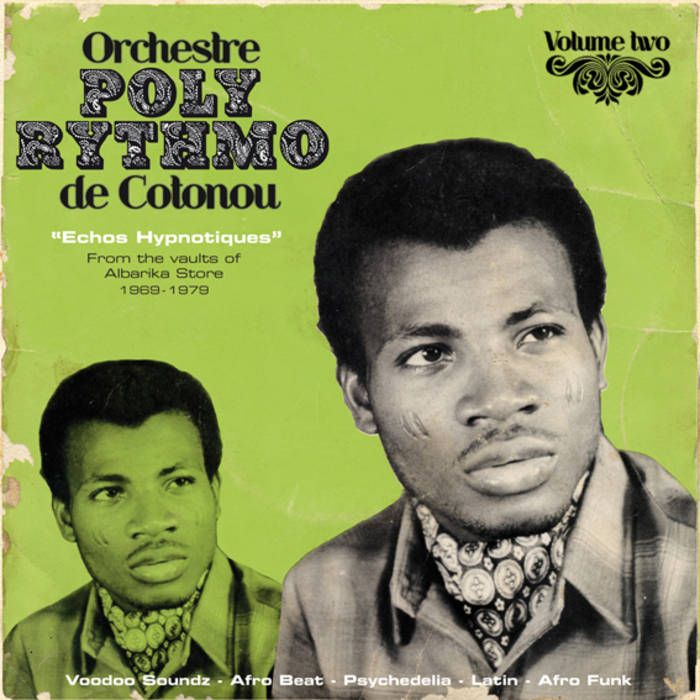
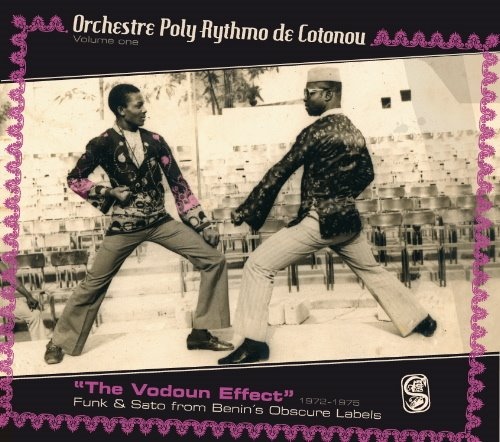
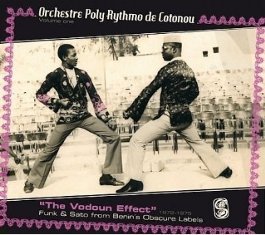
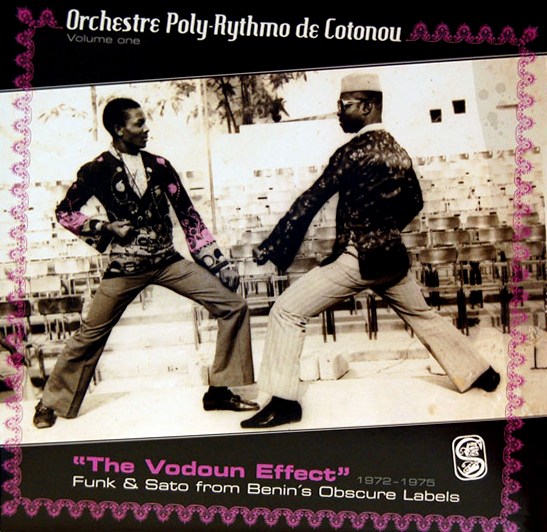
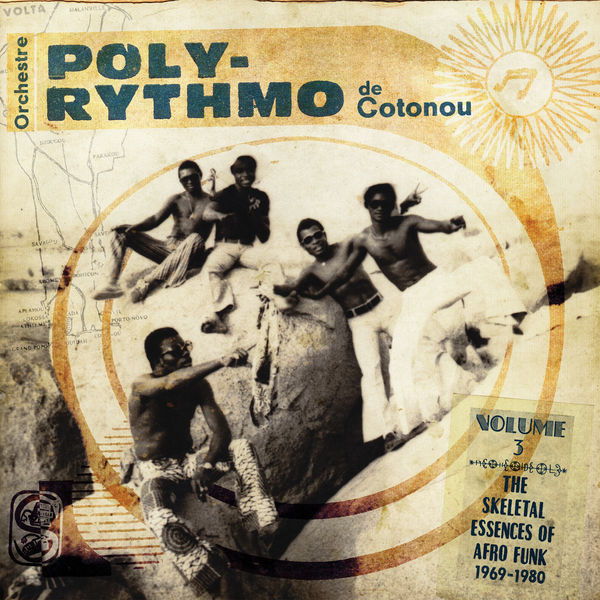
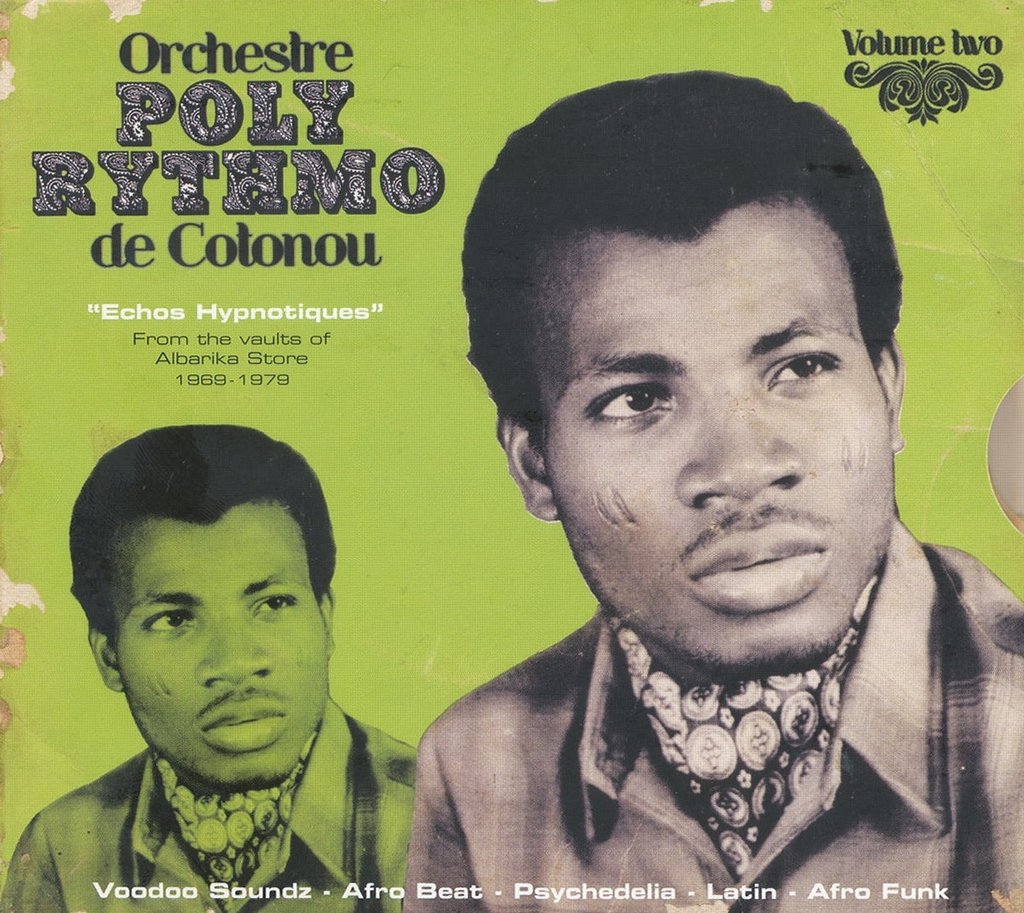
The group’s destiny shifted in 2008 with the release, by German label Analog Africa, of three compilations that awakened a dormant discography. In 2009, Poly-Rythmo reformed a lineup of ten musicians including five founding members and took to European stages. The opening concert of Jazz à la Villette in Paris was a standing ovation. Cotonou Club (2011, Universal Jazz / Sound’Ailleurs), produced by Florent Mazzoleni, recorded the group live in the former Satel studio in Cotonou. Angélique Kidjo sang on Gbètimadjro, Fatoumata Diawara joined on Mariage, and Nick McCarthy and Paul Thomson of the Franz Ferdinand performed on Lion Is Burning. “It’s really a dream for us,” Vincent Ahéhéhinnou confessed. The orchestra went on tour in the United States, Canada, Brazil, and passed through Primavera Sound, Printemps de Bourges, and the Montreal International Jazz Festival.
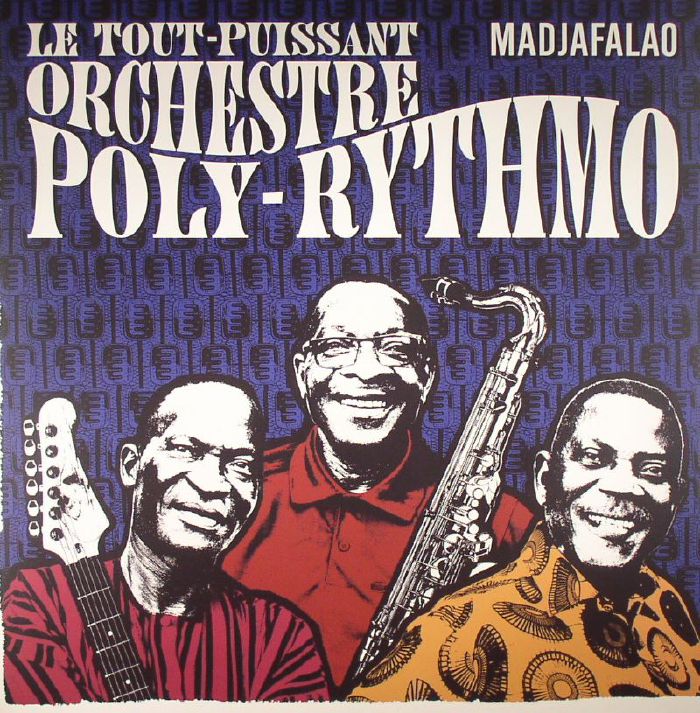
Founder Mélomé Clément died on December 17, 2012. The group continued with its new generation: Roland Mélomé, son of the late leader, took over drums and vocals alongside musicians under fifty. Madjafalao, which means “take care” in the Fon language, was released in 2016 on French label Because Music. The orchestra, nicknamed by its own the Papys funkys d’Afrique, continues to tour.
Major works
| Work | Year | Why it’s essential |
|---|---|---|
| The 1st Album | 1973 | First record recorded in Lagos like Fela Kuti: four raw-power afrobeat tracks. |
| Echos Hypnotiques | 2009 | Analog Africa compilation that revealed the group to the world. |
| Cotonou Club | 2011 | First studio album in twenty years, with Angélique Kidjo and the Franz Ferdinand. |
| Madjafalao | 2016 | Last studio album, afropop and vaudou-music. |
Legacy and influence
The Guardian designates Poly-Rythmo as one of the best dance bands in West Africa. Their music has inspired decades of West African formations. “In our country, all orchestras play Poly-Rythmo’s repertoire,” Vincent Ahéhéhinnou noted in 2017. The group now serves as a living reference for formations like the Gangbé Brass Band.
Sources and references
- « Orchestre Poly-Rythmo de Cotonou », Wikipedia, https://en.wikipedia.org/wiki/Orchestre_Poly-Rythmo_de_Cotonou, accessed 19 October 2026.
- « Le Poly-Rythmo, un orchestre immortel », RFI Musique, https://musique.rfi.fr/musique-africaine/20161115-orchestre-poly-rythmo-madjafalao.html, accessed 19 October 2026.
- « Benin’s Orchestre Poly-Rythmo of Cotonou get their big break – after 40 years », The Guardian, https://www.theguardian.com/music/2011/mar/20/benin-orchestre-poly-rythmo, accessed 19 October 2026.
- « Orchestre Poly-Rythmo de Cotonou », Songlines, https://www.songlines.co.uk/content/features/orchestre-poly-rythmo-de-cotonou, accessed 19 October 2026.
- « Orchestre Poly-Rythmo », Musiques d’Afrique, https://www.musiques-afrique.net/restofafrica/art-poly-rythmo.html, accessed 19 October 2026.
- « Orchestre Poly-Rythmo de Cotonou : Cotonou Club », Pitchfork, https://pitchfork.com/reviews/albums/15232-cotonou-club/, accessed 19 October 2026.
- « Benin legend Orchestre Poly-Rythmo premieres ‘Pardon’ », Los Angeles Times Music Blog, http://latimesblogs.latimes.com/music_blog/2011/03/benin-legends-orchestre-poly-rythmo-premiere-pardon-.html, accessed 19 October 2026.
- « The 1st Album (1973) », Analog Africa Bandcamp, https://analogafrica.bandcamp.com/album/the-1st-album-1973, accessed 19 October 2026.