Biography
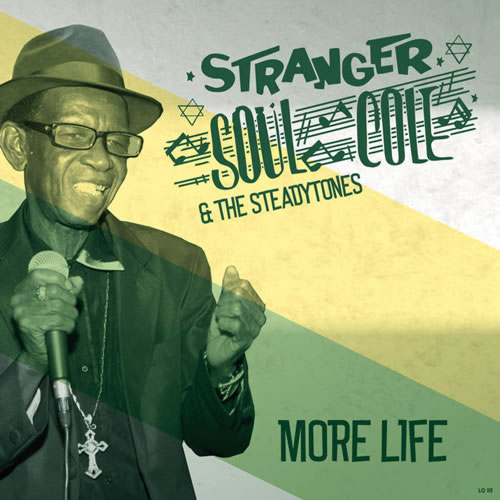
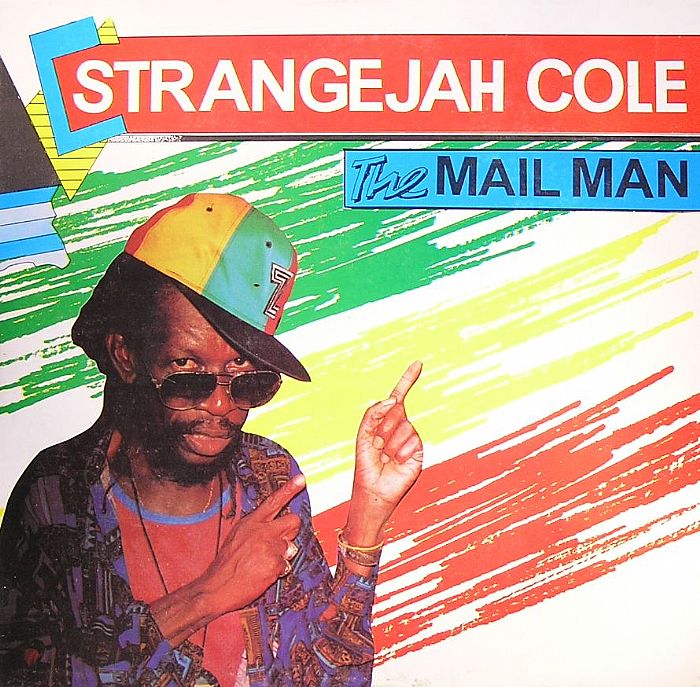
Stranger Cole
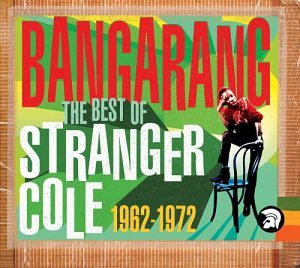
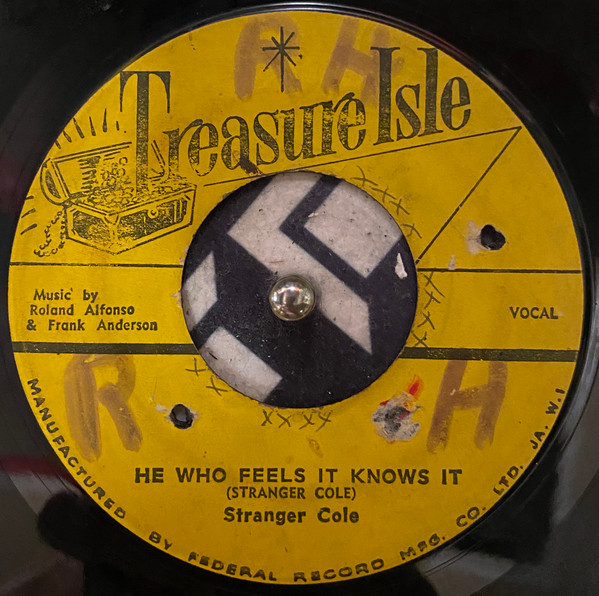
In 1968, the Treasure Isle studio roared under a wild saxophone riff. Lester Sterling hammered out his chords, Lloyd Charmers clicked his organ on an off-beat rhythm. Wilburn Cole then improvised lyrics in Jamaican patois — “Muma no wan bangarang” — which would give its name to the track. What was born here is the first chord that truly resembles reggae. Stranger Cole has just etched his name into the birth of a genre.
In brief
| Full name | Wilburn Theodore Cole |
| Birth | June 26, 1942, Kingston (Jones Town), Jamaica |
| Death | June 11, 2026, Kingston (83 years) |
| Field | Ska, rocksteady, reggae — singer |
| Notable works | “Rough and Tough”, “When You Call My Name”, “Bangarang” |
| Honors | Ska pioneer, figure in the documentary Rocksteady: The Roots of Reggae (2009) |
Key dates
| Year | Event |
|---|---|
| 1942 | Birth in Kingston; nicknamed “Stranger” by his family because he didn’t resemble anyone |
| 1962 | Writing of “In and Out the Window” for Eric « Monty » Morris |
| 1963 | Studio debut with Duke Reid on “Rough and Tough” and a duo with Patsy Todd on “When You Call My Name” |
| 1968 | Recording of “Bangarang”, one of the first reggae rhythm tracks, with Lester Sterling |
| 1968–1972 | Work with legendary producers Bunny « Striker » Lee, Lee « Scratch » Perry and Sonia Pottinger |
| 1971–1973 | Emigration to the United Kingdom and then Toronto; factory worker at Tonka Toy and opener of a Caribbean disco in Kensington Market |
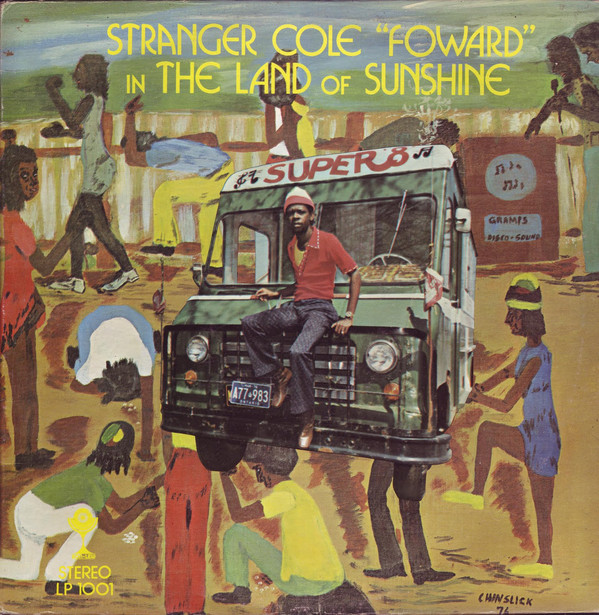
| 1976 | First studio album, Forward in the Land of Sunshine, on his own label |
| 2006 | Discographic comeback with Morning Train, in collaboration with Jah Shaka |
| 2009 | Participation in the documentary Rocksteady: The Roots of Reggae and recording of the eponymous album |
| 2016 | Interview in Kingston where he confessed that he had known ska as his most beautiful musical moment (United Reggae) |
| 2026 | Death at the University of the West Indies hospital in Kingston, on June 11 |
A life in ska: from Trench Town to Toronto
Wilburn Theodore Cole was born in 1942 in a colonial Kingston. His family nicknamed him “Stranger” because he didn’t resemble any of them; this sobriquet would become his stage name. Music runs in the blood: his father and uncle Gilbert Cole played guitar, the latter frequenting Ernest Ranglin in jam sessions at the first clubs before the era of records. At Denham Town school, Wilburn sang “Tell Me Darling” by Jackie Edwards in front of his classmates: the applause earned him two ice creams and his first spark. Trench Town was then the musical crucible of the island. Stranger Cole confirmed that it was a deep place for music. There he met Bob Marley and Jimmy Cliff before they sang a single song. His entry into recorded music came through writing: “In and Out the Window” for Eric « Monty » Morris, a hit that soared and opened the studios to him. In 1962, Duke Reid recorded him. “Rough and Tough” and the duo with Patsy Todd on “When You Call My Name” instantly soared. The musician signed a dozen singles a year with Blue Beat, Island and Black Swan. His tendency for duos — with Patsy Todd, Gladstone Anderson, Hortense Ellis or Ken Boothe — betrayed his shyness: he preferred the security of a partner’s voice. Duke Reid, Coxsone Dodd and Prince Buster were his producers; his style established itself — relaxed phrasing, deep timbre, popular melody. The 1960s transformed: frenetic ska gave way to smoother rocksteady, and Stranger Cole navigated both worlds, pillar of the Treasure Isle sessions. In 1968, Bunny « Striker » Lee called him to the studio. On an instrumental with Lester Sterling, he improvised “Muma no wan bangarang” — the organ proclaimed this rhythm that would give birth to the word “reggae”. Stranger Cole held firm: that is where true reggae begins, even if Niney the Observer and Larry Marshall contested it. After recordings with Lee, Perry and Pottinger until 1972, he left Jamaica in 1971. United Kingdom first, then Toronto in 1973. Machinist at the Tonka factory, he opened the first Caribbean shop in Kensington Market. First album in 1976, Forward in the Land of Sunshine, then others on the independent circuit. In 2006, Morning Train with Jah Shaka marked his comeback. The documentary Rocksteady: The Roots of Reggae (2009) brought him back into the light — he shared the stage with Sly Dunbar, Jackie Jackson, Mikey Chung. At 70, he opened the London International Ska Festival and played at Reggae Jam in 2016, still energetic. His sons Squiddly and Marcus accompanied him in the studio. On a confessional tone, he told young artists: believe in your capabilities, because music is unpredictable.
Major works
| Work | Year | Why it’s essential |
|---|---|---|
| “Rough and Tough” | 1963 | First solo success, signature of the vocal style at Duke Reid studio |
| “When You Call My Name” (Stranger & Patsy) | 1963 | Fundamental duo with Patsy Todd, early ska anthem |
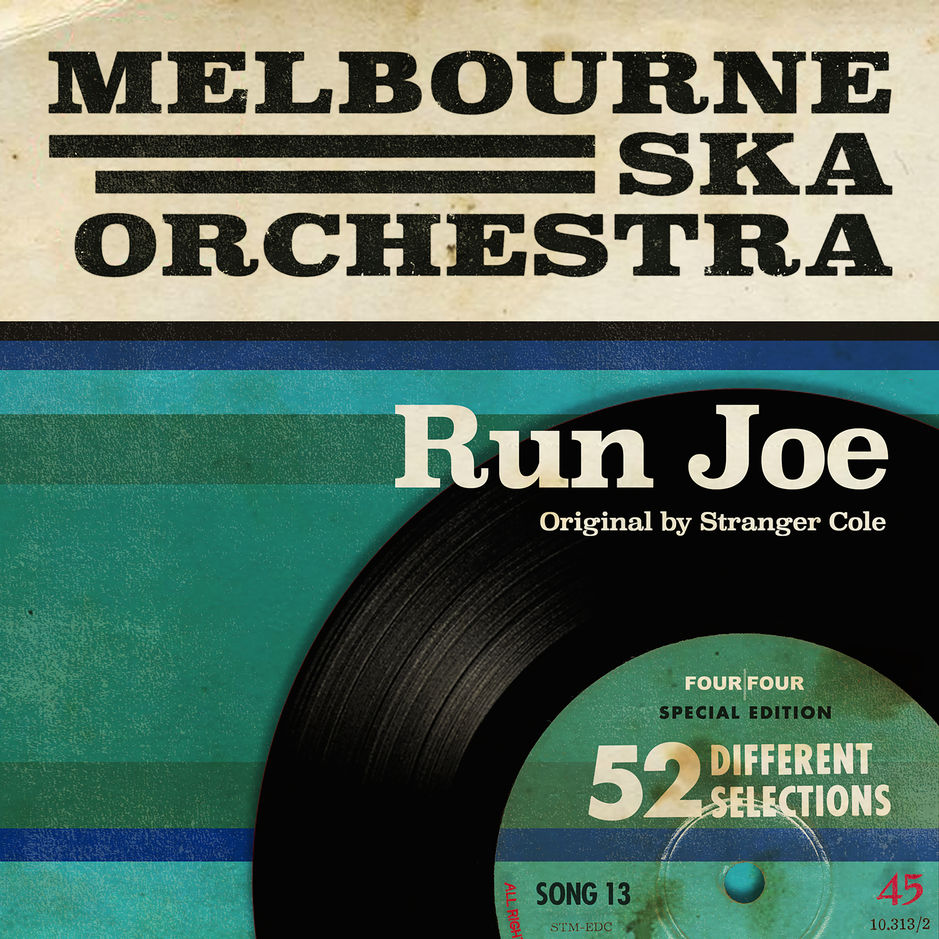
| “Bangarang” (Lester Sterling & Stranger Cole) | 1968 | First reggae chord, organic riff and wild saxophone — subject of debate but inevitable |
| Forward in the Land of Sunshine | 1976 | First studio album after decades of singles, post-emigration pivot |
| Morning Train (Jah Shaka & Stranger Cole) | 2006 | Official studio comeback, connection with the new generation |
| Rocksteady: The Roots of Reggae (soundtrack) | 2009 | Reunion of rocksteady legends, international stage |
Legacy and influence
Stranger Cole is the hinge between ska, rocksteady and reggae. His deep timbre links Trench Town to Toronto; his sons Squiddly and Marcus perpetuate his imprint. He remains a voice of the first era, that of the studios where rhythms were improvised. Did he confess in 2016 that his most beautiful musical moment was ska? And that is more than enough.
Sources and references
- Wilburn Theodore Cole, « If you think you can do it, try » (advice to artists), remarks collected in « Interview: Stranger Cole in Kingston », United Reggae, 20 March 2016, unitedreggae.com/articles/n2074/032016/interview-stranger-cole-in-kingston, accessed 8 November 2026.
- « My proudest musical moment was ska », United Reggae, 20 March 2016.
- « I knew Bob before he sang one song » (remarks by Stranger Cole on Bob Marley), United Reggae, 20 March 2016.
- « I was originally born in Jones Town but I grew in Trench Town », United Reggae, 20 March 2016.
- Claudia Gardner, « Stranger Cole Insists ‘Bangarang’ Was First Reggae Song Ever Recorded », Dancehall Mag, 16 August 2023, dancehallmag.com, accessed 8 November 2026.
- Yasmine Peru, « ‘Bangarang’ in the origin of reggae debate », Jamaica Gleaner, 7 July 2024, jamaica-gleaner.com, accessed 8 November 2026.
- Jamaica Observer, « Stranger Cole, ska and rocksteady pioneer, has died », Jamaica Observer, 11 June 2026.
- Colin Larkin, The Virgin Encyclopedia of Reggae, Virgin Books, 1998.
- Liz Braun, « A pleasure getting to the roots of reggae », Calgary Sun, 28 August 2009.
- « Rocksteady: The Roots of Reggae » (documentary, 2009), produced by Lightyear Productions.
- Steve Leggett, « Stranger Cole Biography », AllMusic.
- Dave Thompson, Reggae & Caribbean Music, Backbeat Books, 2002, p. 335.
- David V. Moskowitz, Caribbean Popular Music: An Encyclopedia of Reggae, Mento, Ska, Rock Steady, and Dancehall, Greenwood Press, 2006, p. 66–67.
- Discogs and Roots Archives, entry Stranger Cole (discography).