Biography
Takfarinas
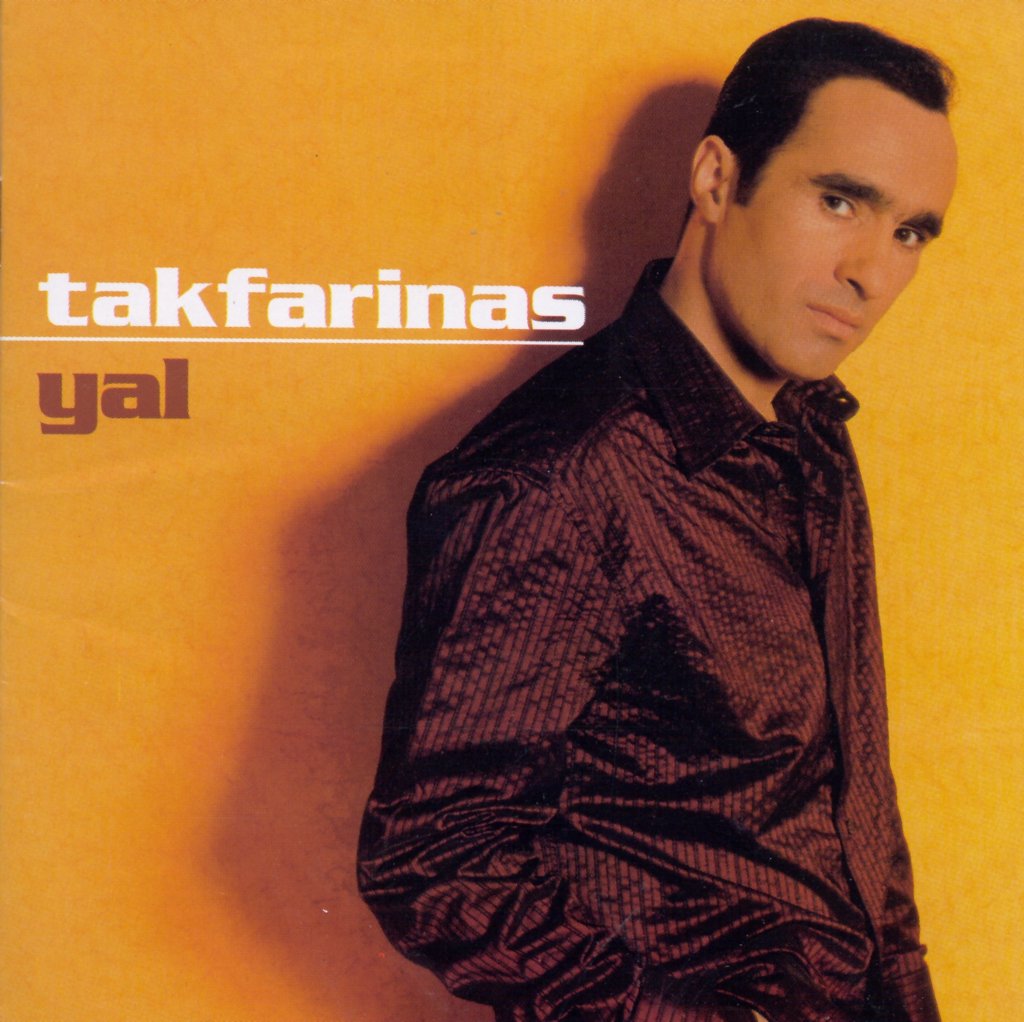
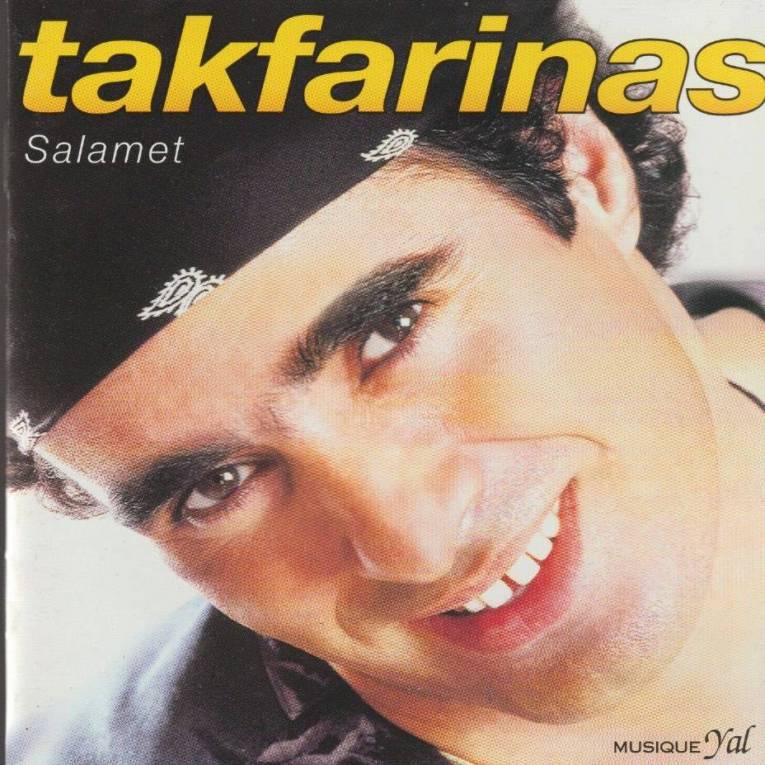
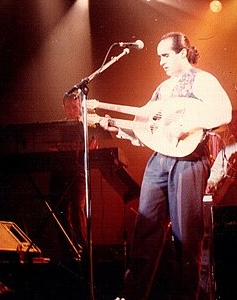
When the album Yal was released at the turn of the 2000s, Takfarinas had already been singing for twenty years. He sang for the workers of Saint-Denis, the communities of Athens and Johannesburg. With the mandola between his hands, a modified two-neck guitar where one carries the basses and the other the trebles1. “Tak”, as his fans call him, has never ceased to widen the circle of his Kabyle music to make it a bridge between continents.
In brief
| Full name | Hacène Zermani |
| Birth | February 25, 1958, Tixeraïne, Algiers |
| Genre | Yal — Kabyle music (Berber music of Algeria) mixed with chaâbi, funk and rock |
| Instruments | Vocals, mandola (double neck), composition |
| Signature works | Yal, Way telha, Honneur aux dames, Zaâma Zaâma |
| Distinctions | KORA Award 2000, concert at the Olympia in Paris |
Key dates
| Year | Event |
|---|---|
| 1958 | Birth in Tixeraïne, Kabyle quarter of Algiers, in an artistic lineage |
| 1976 | First radio appearance in Algiers; first single |
| 1979 | First album in Paris; move to France |
| 1981 | Formation of the group Agraw with Boujema Semaouni |
| 1986 | Double album Way telha / Arrac: millions of copies sold |
| 1988 | Invention of the double-neck mandola |
| 1990 | Concert at the Olympia in Paris |
| 1999 | Release of Yal and the hit Zaâma Zaâma |
| 2004 | Bilingual double album Honneur aux dames / Tajmilt i tlawin |
| 2021 | Last album recorded: Ul-iw ttayri / Yemma lezzayer-iw |
From Tixeraïne to Paris: building a style
Hacène Zermani was born on February 25, 1958 in the Kabyle quarter of Tixeraïne, in Algiers2. His family already counts four generations of musicians. Very young, the child built his first guitar with an oil cylinder and a brake cable. At seven years old, he was already singing.
The waves brought him the taste for other sounds: Stevie Wonder, Edith Piaf, Cheikh El Hasnaoui3. Little Hacène absorbed this mix which would become the seed of Yal — a word he invented later to name his expanded Kabyle music. The term covers several meanings in Kabyle: musical interjection, prefix for each, root of yella (to exist) and ayla (property).
In 1979, facing political repression in Algeria, he emigrated to Paris1. He made the metro his first studio, working on his voice in underground corridors and hotel cellars. Barbès, a quarter of the Maghrebi community in Paris, became his stage ground. He distributed his recorded cassettes and the public followed him everywhere.
Revelation: the mandola and stadiums
In 1981, Takfarinas formed the group Agraw. The two albums published with this collective forged his experience. The group split in 1984 and the artist took his destiny into his own hands.
The year 1986 marked a decisive turning point4. Under the direction of arranger Jean Claudric, he published the double album Way telha and Arrac. Millions of copies sold in North Africa, stadiums opened their doors to him and Europe followed. For the first time in the North African artistic world, he proposed large-scale public shows with an unprecedented production.
In 1988, he transformed his mandola5. He entrusted the instrument to luthier Rachid Chaffaa who added a second neck — one carries the basses, the other the high sounds. In 1998, luthier Madjid Lah’lou would bring the whole thing to an electroacoustic version.
Consecration
In 1990, Takfarinas took the stage at the Olympia. In 1993, with Hamid Belhocine (Kassav’ trombonist), he published Romane and officially entered the world music circuit. In 1999, he released Yal, the most accomplished album1. The hit Zaâma Zaâma became a world music standard. In 2004, Honneur aux dames, bilingual double album, invited Sly Dunbar and Norbert Krief. In 2011, Lwaldine / Inchallah marked thirty years of career. In 2021, Ul-iw ttayri / Yemma lezzayer-iw confirmed his vitality.
“I sing exile, I reach a wide audience, because music is the language that speaks to the heart.”
Major works
| Work | Year | Why it is essential |
|---|---|---|
| Way telha / Arrac | 1986 | First continental success, millions of sales |
| Yal | 1999 | Landmark album; Zaâma Zaâma global standard |
| Honneur aux dames / Tajmilt i tlawin | 2004 | Bilingual double album, international collaborations |
| Lwaldine / Inchallah | 2011 | Tribute to chaâbi, thirty years of career |
Legacy
Takfarinas made the Kabyle mandola a universal instrument5. From Tixeraïne to Johannesburg, he showed that a Berber language could speak to the heart of the world.
Sources and references
-
English Wikipedia, Takfarinas, accessed October 31, 2026, https://en.wikipedia.org/wiki/Takfarinas ↩︎ ↩︎ ↩︎
-
Trappes Mag, TAKFARINAS Biography, Nasr-eddine Beghdadi, Archives of the Algerian Radio, accessed October 31, 2026 ↩︎
-
Coda Music, Takfarinas — Biography, Discography & Albums, accessed October 31, 2026, https://codamusic.me/artists/takfarinas/ ↩︎
-
France Culture, Takfarinas, king of Kabyle pop, interviews, accessed October 31, 2026, https://www.radiofrance.fr/franceculture/podcasts/le-reveil-culturel/takfarinas-le-roi-de-la-pop-kabyle-2839744 ↩︎
-
AllMusic, Takfarinas — Biography, Discography, Albums & Expert Reviews, accessed October 31, 2026, https://www.allmusic.com/artist/takfarinas-mn0000155753 ↩︎ ↩︎