Biography
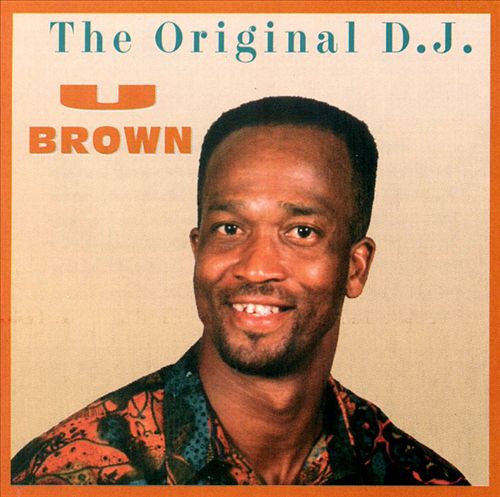
U Brown
In Kingston, in 1956, two doors separate Huford Brown from Duke Reid’s Treasure Isle studio. The young boy often stopped there on errands at the grocery store, fascinated by the sound of the guitar filtering through the door, these musicians who unloaded from trucks to load instruments. “I always stop and take some time out to take a look”, he recalls (translated from English). What was merely a childhood fascination became his life: U Brown is one of the first toasters to have survived the transition from roots reggae to dancehall, with a career never interrupted since 1975.
In brief
| Full name | Huford Benjamin Brown |
| Stage name | U Brown |
| Birth | June 8, 1956, Kingston (Jamaica) |
| Genre | Reggae / Dancehall (toast — declamatory singing over riddim) |
| Signature works | “Starsky and Hutch”, Mr Brown Something, Tu Sheng Peng |
| Honors | Pillar of Jamaican dancehall; signed to Virgin Records (Front Line) |
Key dates
| Year | Event |
|---|---|
| 1956 | Born on Bond Street, Kingston (Jamaica), one of eleven children in the family |
| 1972 | Debut on the Silver Bullet Sound System, then Philip Monroe’s Sound of Music |
| 1975 | Replaced U-Roy on the King Tubby’s Hi-Fi — a decisive stepping stone |
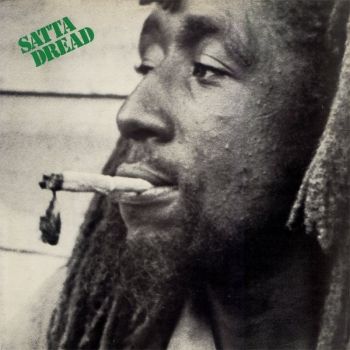
| 1976 | First local hit, “Starsky and Hutch”; first album, Satta Dread (Bunny Lee) |
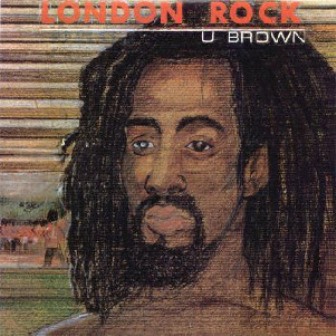
| 1977-78 | Four albums with Bunny Lee; Virgin/Front Line contract; London Rock on Third World |
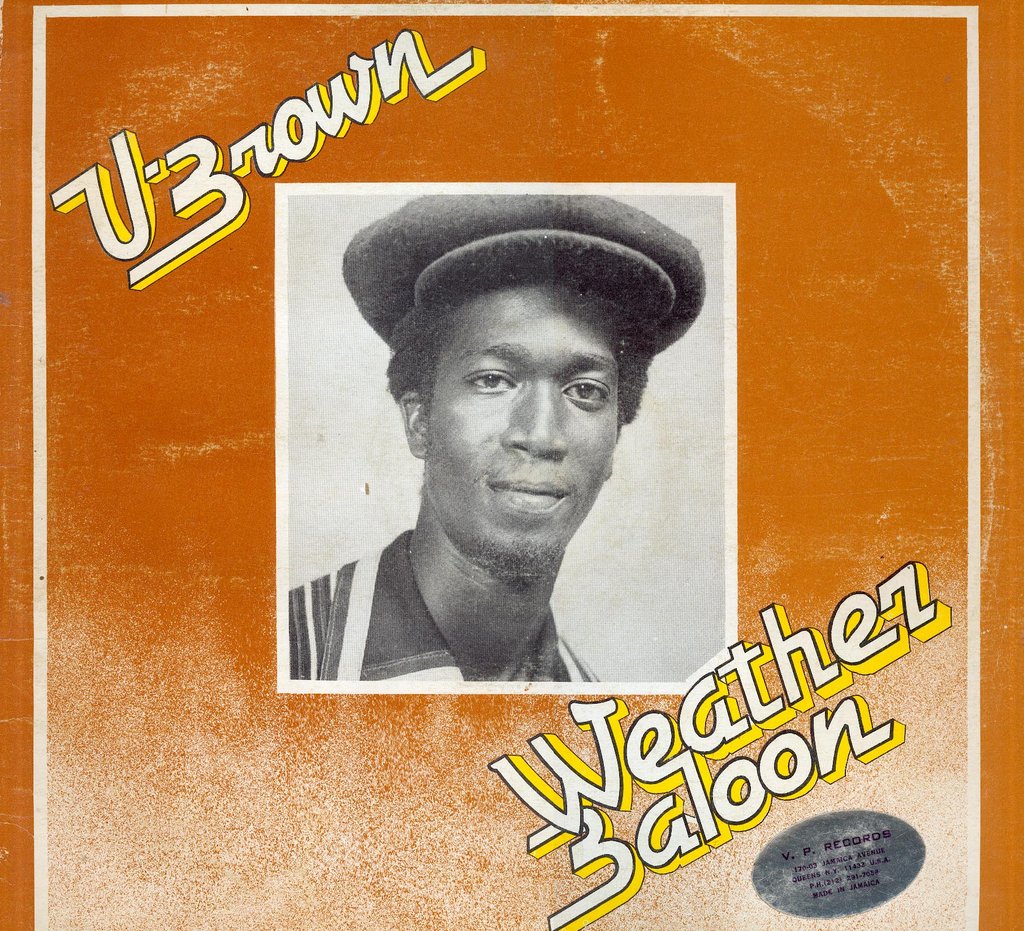
| 1978 | Release of Mr Brown Something (Virgin/Front Line) and Weather Balloon |
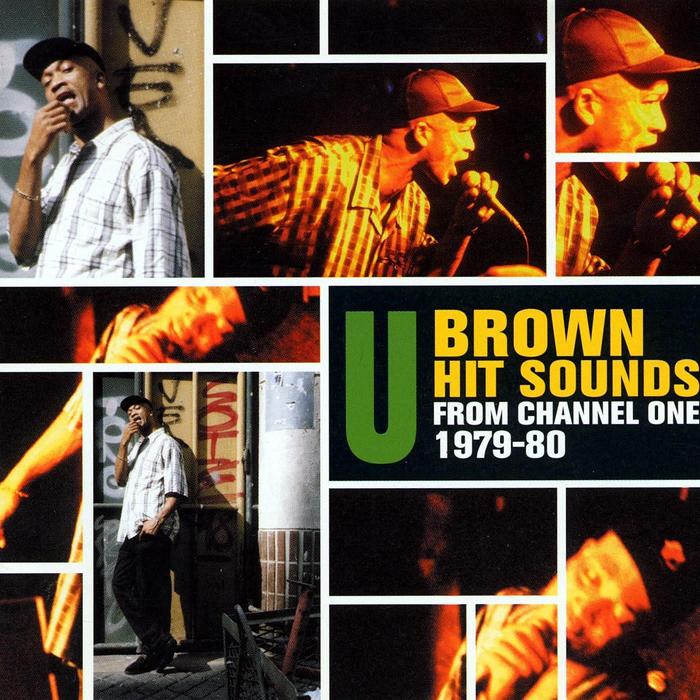
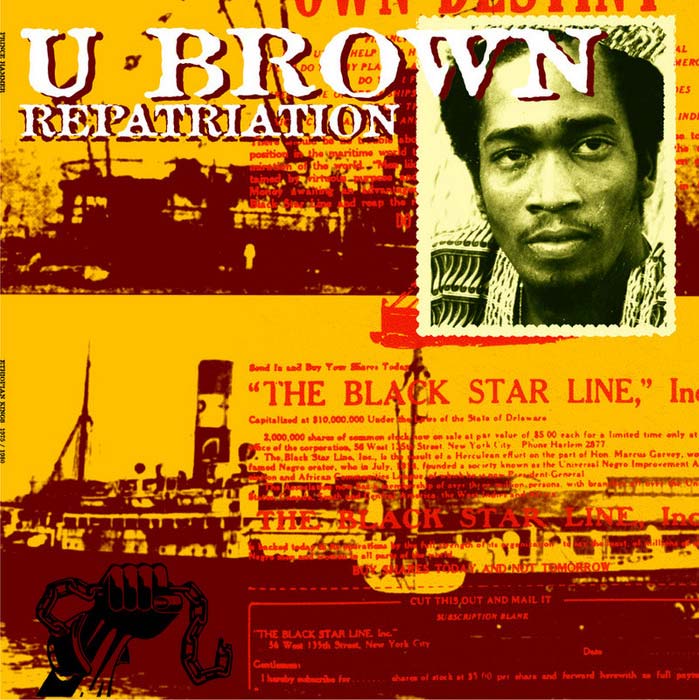
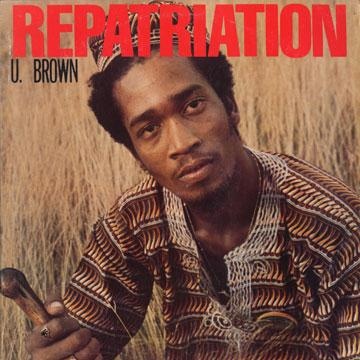
| 1979 | Creation of the Hit Sound label; release of Repatriation |
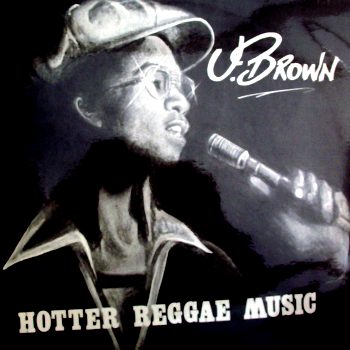
| 1982 | Comeback with “Tu Sheng Peng” and the album Hotter Reggae Music |
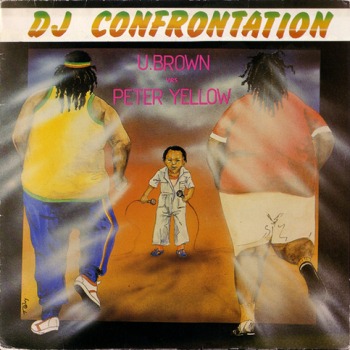
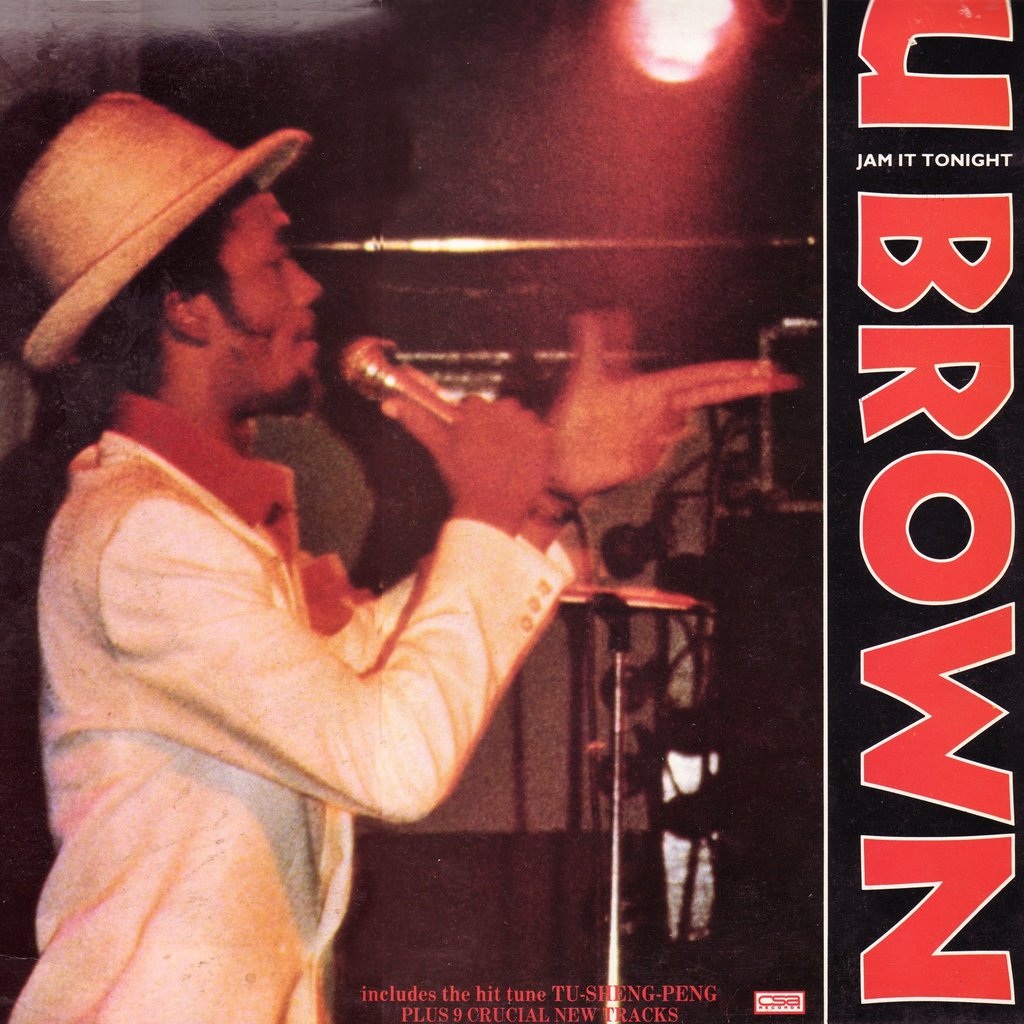
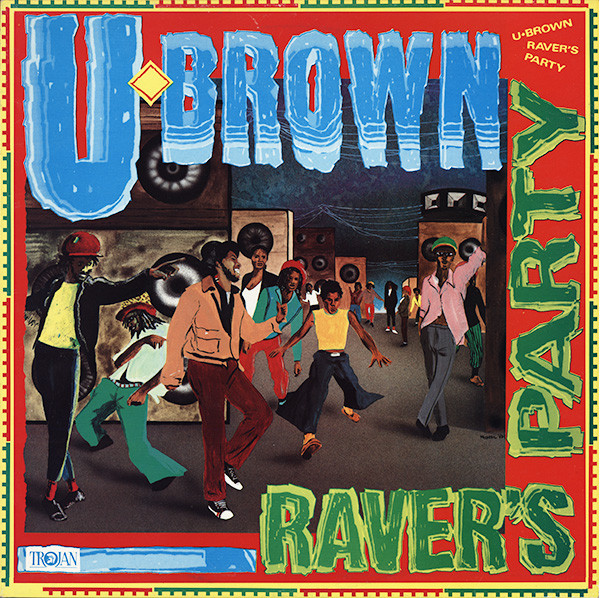
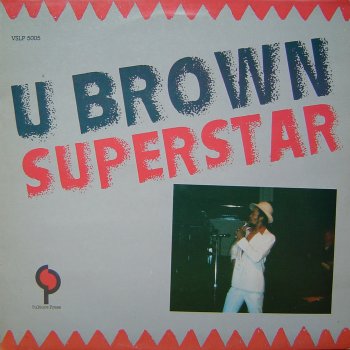
| 1982-84 | Albums Raver’s Party, DJ Confrontation (with Peter Yellow), Jam It Tonight, Superstar |
| 1985-2003 | Relocation to Miami; return to Jamaica in 1990 |
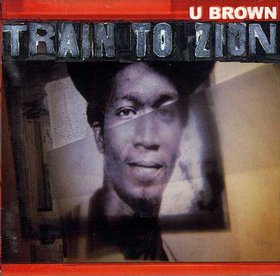
| 1997 | Compilation Train to Zion by Blood & Fire; renewed international career |
| 2001-2013 | New productions: Rougher Than The Rest, ongoing collaborations |
Youth at the door of reggae and first steps on the sound system
Huford Benjamin Brown was born on June 8, 1956, on Bond Street, Kingston (Jamaica). His father was already very close to music: “My dad always go to bars, and in Europe they call it the pub”, he explains. The child grew up a few meters from Duke Reid’s Treasure Isle studio, at 37 Bond Street when the owner occupied number 33. Every day, he saw singers arrive for auditions, musicians unloading their instruments. “I always stop and take some time out to take a look” — his mother scolded him, he didn’t always come back with what she had sent him to buy at the store.
His major influence was U-Roy, whom he admired even more because they lived in the same Waterhouse neighborhood (Kingston 11). U-Roy was his main mentor; he also cites Big Youth, Dennis Alcapone, Prince Jazzbo, and I-Roy. At fifteen, Brown entered the industry by joining Philip Monroe’s Sound System, the Sound of Music, where he recorded his first tracks (“Wet Up Your Pants Foot”, “Jah Jah Whip Them”). In 1975, he took U-Roy’s place on the King Tubby’s Hi-Fi — a decisive stepping stone to catch the producers’ attention.
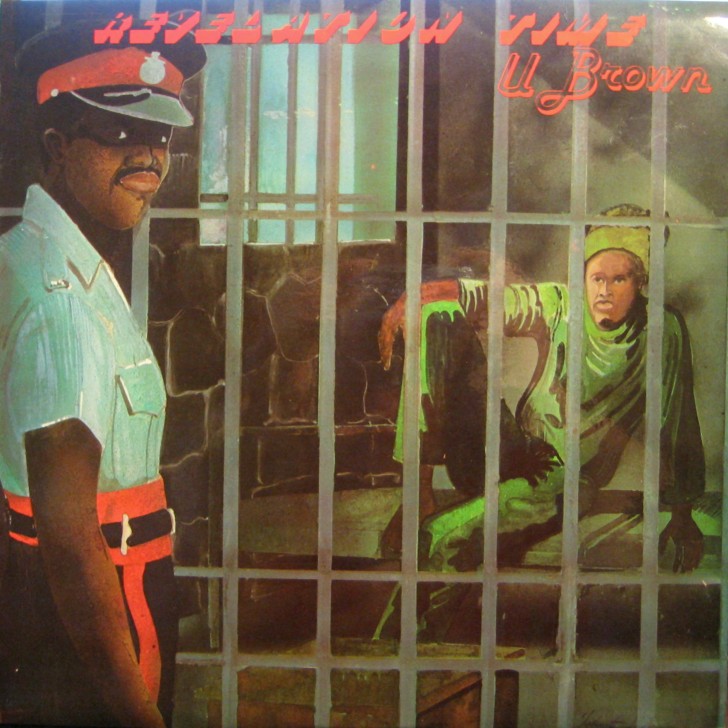
Bunny Lee opened his doors to him: between 1976 and 1979, Brown recorded Satta Dread, London Rock, Revelation Time, Mr Brown Something, and Weather Balloon. “Starsky and Hutch” (1976) became a local hit, triggering a contract with Virgin/Front Line and a tour of the United Kingdom. “Each one teach one”, he says regarding the lineage — U-Roy does not see imitation in the young voices who reprise his style, but inspirations born from the same soil.
From Bunny Lee to Virgin, then Miami and the reconquest: a career never interrupted
The Virgin Records contract opened the doors to Europe. He toured with the Unity Hi Power Sound System and recorded Mr Brown Something (1978) — a pivotal album where his declamatory, half-sung, half-rapped voice carried U-Roy’s influence while developing his own singing accent. After Repatriation (1979) released on his own Hit Sound label, Brown experienced the roots reggae of the 1980s, then returned vigorously in 1982 under the title “Tu Sheng Peng” (an adaptation of Dennis Brown) and the album Hotter Reggae Music. Between 1982 and 1984, he multiplied releases (Raver’s Party on Trojan, DJ Confrontation with Peter Yellow, Superstar).
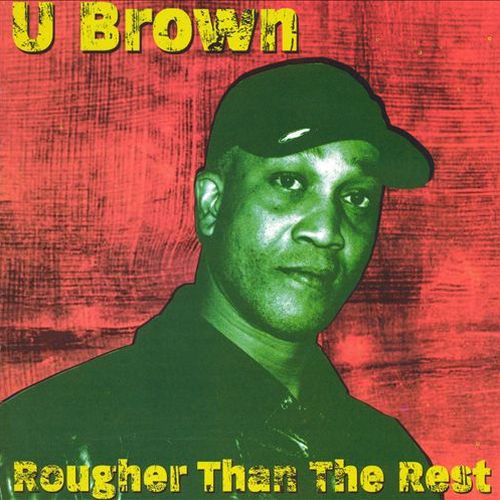
In 1985, he settled in Miami. The years of American residence kept him away from the studios until his return to Jamaica in 1990. In 1997, the compilation Train to Zion released by Blood & Fire (a British roots reggae label) relaunched his international career and led to new recordings, including Rougher Than The Rest (2003) on Jah Warrior. He remains active in the studio and on tour, collaborating with DJs and singers of the new generation.
Major works
| Work | Year | Why it is essential |
|---|---|---|
| “Starsky and Hutch” | 1976 | The first local hit that launched everything — the title that makes you want to follow U Brown to Bunny Lee’s studio |
| Mr Brown Something (Virgin/Front Line) | 1978 | International signature on Virgin: the voice at its peak, Bunny Lee’s riddim in the background |
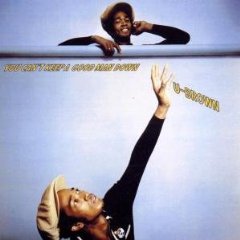
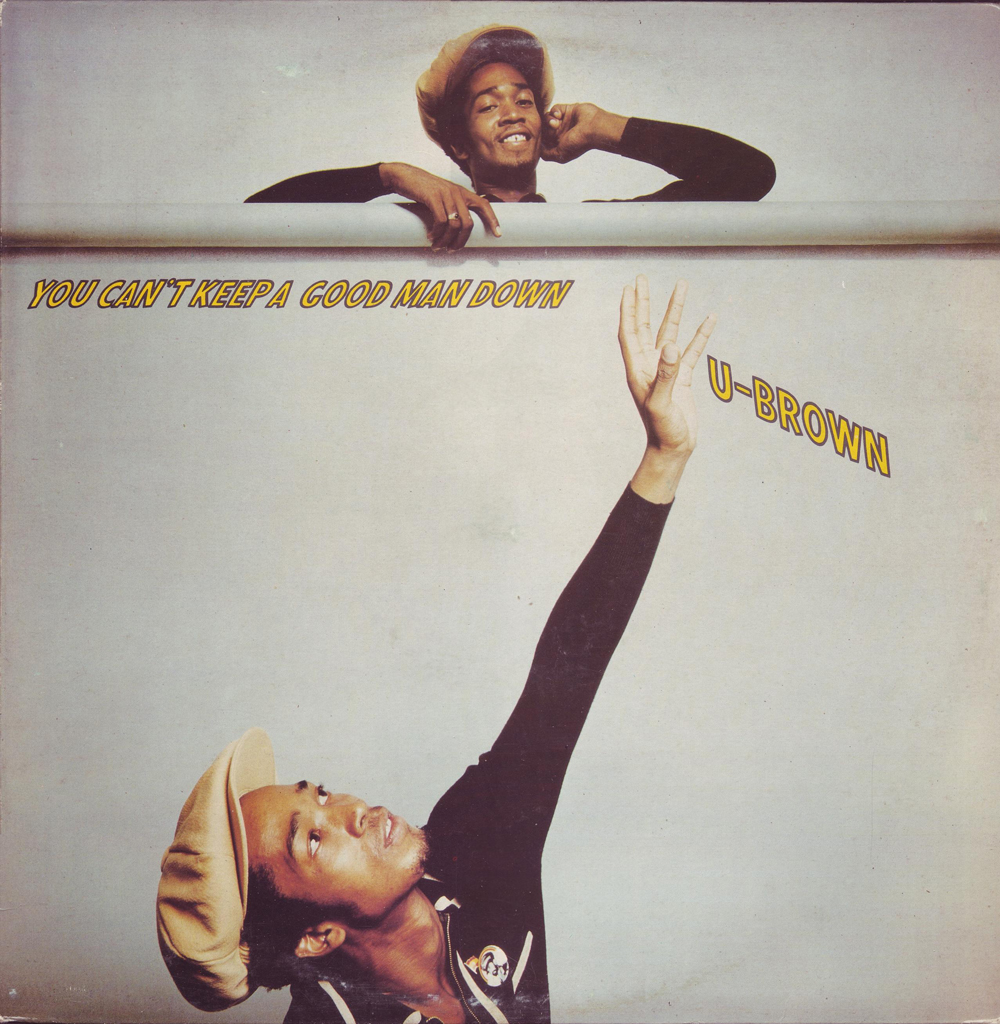
| Weather Balloon (also “Can’t Keep a Good Man Down”) | 1978 | Double side and double title: versatility between roots and emerging dancehall |
| “Tu Sheng Peng” | 1982 | A proper comeback; a reinterpretation that proves he is still the king of dancehall |
| Rougher Than The Rest | 2003 | The post-Miami international renaissance, produced with Jah Warrior |
Heritage and influence
U Brown is a pillar of Jamaican toasting — the toaster who declaims over riddim, heir to U-Roy but author of his own sung register. His appearances on Bunny Lee’s most famous riddims, his exceptional longevity (fifty years without interruption), and his status as a peer-recognized foundation deejay make him a reference figure for Jamaican dancehall. The DJs and singers of the Jammy’s generation and the 1980s cite him as a model; recent compilations ceaselessly remix his productions, proof that U Brown’s voice remains timeless.
Sources and references
- “U-Brown Biography”, AllMusic (John Dougan), https://www.allmusic.com/artist/u-brown-mn0000213865, accessed 6 November 2026.
- “U Brown — Biography”, United Reggae, https://unitedreggae.com/artists/u/u-brown,258/, accessed 6 November 2026.
- “U Brown interview — Mr Brown Somet’ng”, Reggae Vibes (interview by Peter I, October 2003), https://www.reggae-vibes.com/articles/interview/2018/09/u-brown-interview/, accessed 6 November 2026.
- “U Brown discography”, Discogs, https://www.discogs.com/artist/117415-U-Brown, accessed 6 November 2026.
- “U Brown”, Wikipedia (English article), https://en.wikipedia.org/wiki/U_Brown, accessed 6 November 2026.
- “U Brown album discography”, Apple Music, https://music.apple.com/ca/artist/u-brown/93624335, accessed 6 November 2026.