Biography
Winston McAnuff
In 1986, Winston McAnuff released his third album in Jamaica, then disappeared from the radar. No one heard from him for fifteen years. Then the French label Makasound unearthed his recordings, and it was a thunderclap: the European public discovered a unique voice, a singer who had crossed decades without ever bowing to the codes of conventional reggae. His story is that of an artist who never sought glory — but who, when he found it, refused to let it carry him away on a movement he himself had helped build.
In brief
| Full name | Winston Boyd McAnuff |
| Stage name | Electric Dread |
| Birth | 1957, Manchester Parish, Jamaica |
| Genre | Reggae, dub, funk |
| Instruments | Vocals, guitar, percussion |
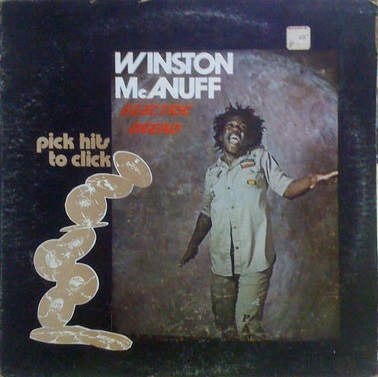
| Notable works | “Malcolm X”, Pick Hits to Click, Paris Rockin' |
| French discography | 2002, Makasound |
Key dates
| Year | Event |
|---|---|
| 1957 | Birth in Mandeville (Manchester Parish), in a family of preachers |
| 1978 | First album, Pick Hits to Click, produced by Derrick Harriott |
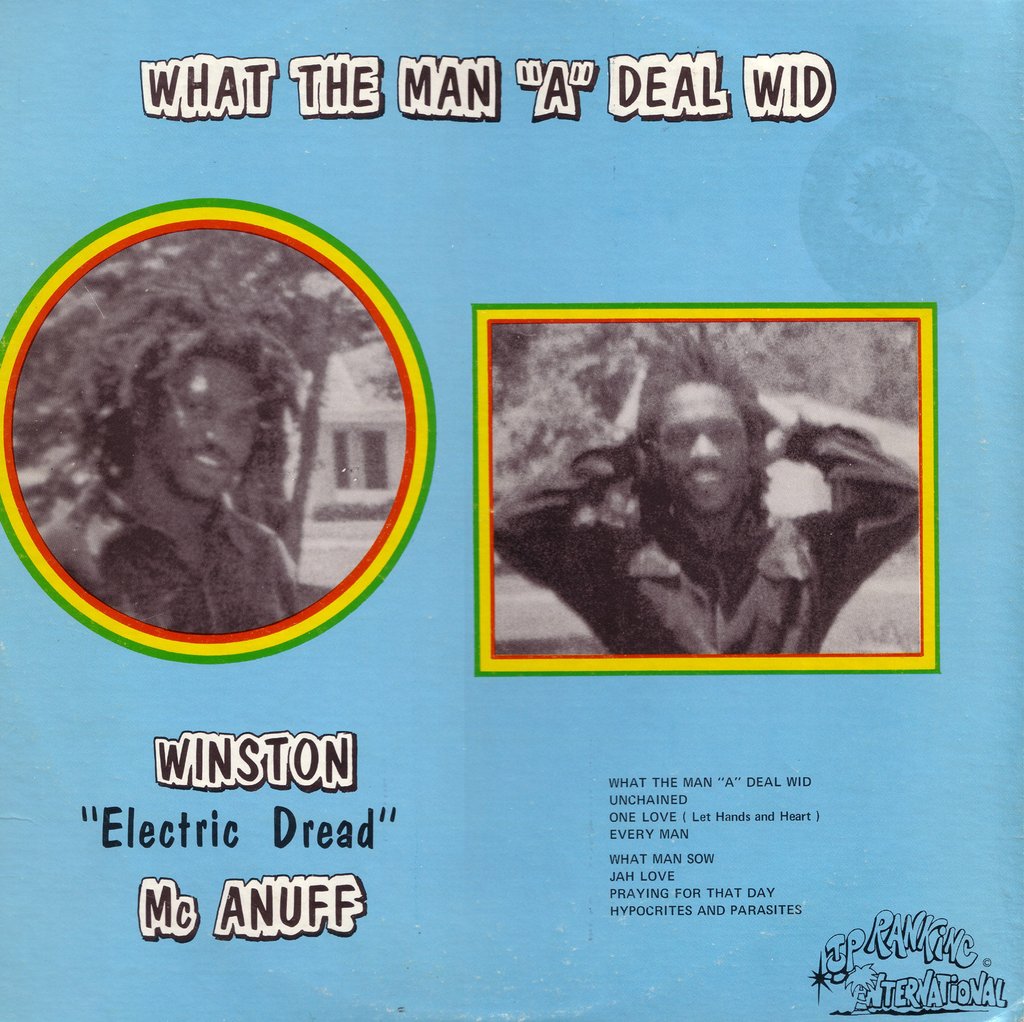
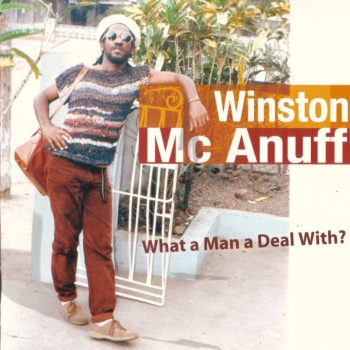
| 1980 | Release of What the Man “a” Deal Wid, his most celebrated work in Europe |
| 1986 | Album Electric Dread, last Jamaican recording of the decade |
| 2002 | Discovery by the label Makasound; European release of his 1970s–80s albums |
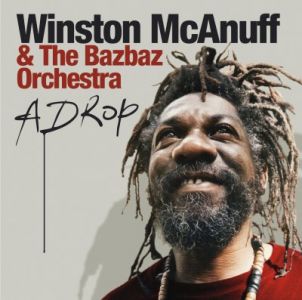
| 2005 | Collaboration with French keyboardist Camille Bazbaz (A Drop) |
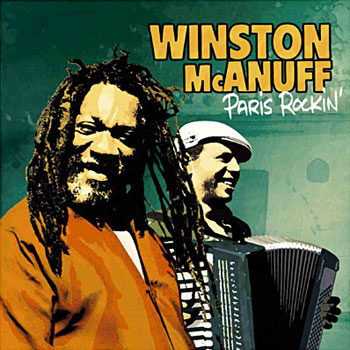
| 2006 | Paris Rockin’, the album that revealed him to the wider French public, with Java and the Congos |
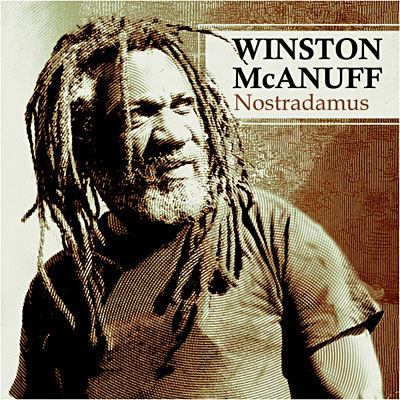
| 2008 | Nostradamus, a mystical concept album produced by Clive Hunt |
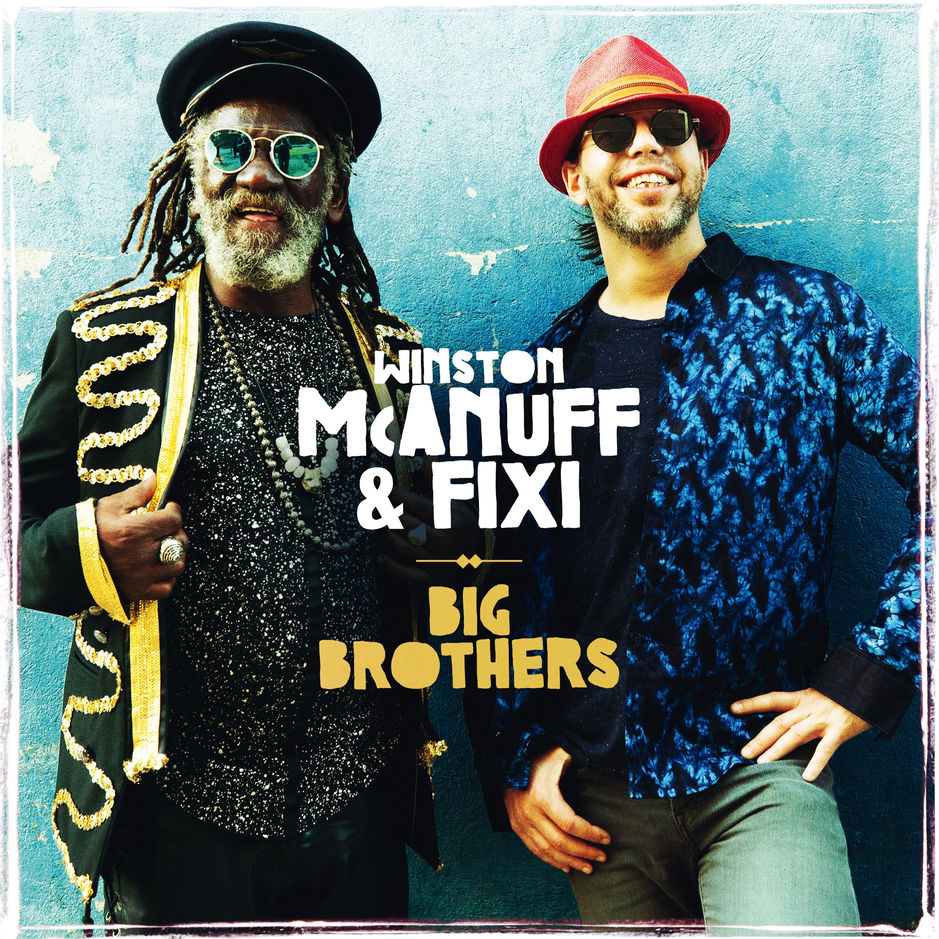
| 2017 | Rabbi Son, in collaboration with Bost & Bim |
From church to Federal Studios
Winston McAnuff grew up in the gospel harmonies of Jamaican churches. His father and mother were preachers; his paternal grandfather was of Scottish origin. For him, music was not a choice — it was a family heritage he carried as a given. When his father died in 1972, the family reorganized: Winston moved to Kingston to live with his sister, and it was there that he rubbed shoulders with future reggae giants. He lived in the same neighborhood as Hugh Mundell and Wayne Wade, and attended the same high school as Earl Sixteen.
« I was composing a lot at the time », he recalls. « Earl Sixteen was a much better singer than me, so I brought him my songs for him to sing. » But one day, at Federal Studios, the musicians insisted: he too should sing. His first professional song was “Ugly Days”. A few months later, he knocked on Derrick Harriott’s door — whom he calls his mentor — and played him his compositions on his guitar. Harriott, renowned for his keen ear for emerging talent, launched the project.
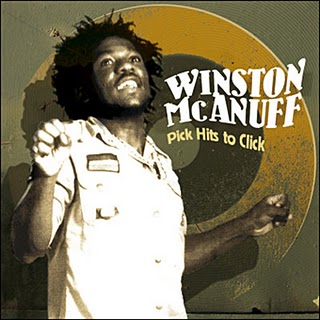
In 1978, Pick Hits to Click was released — followed two years later by What the Man “a” Deal Wid, an album that French critics would later place among the fifty greatest reggae records. Among its tracks, “Malcolm X” stands out: a song that would be covered by Earl Sixteen and then, more tragically, by Dennis Brown, triggering a legal dispute with the label Greensleeves Records in 2013.
Despite this recognition in Jamaica, none of his records circulated in Europe. His Jamaican career remained confined to the island — until destiny intervened in its own way.
The French revival
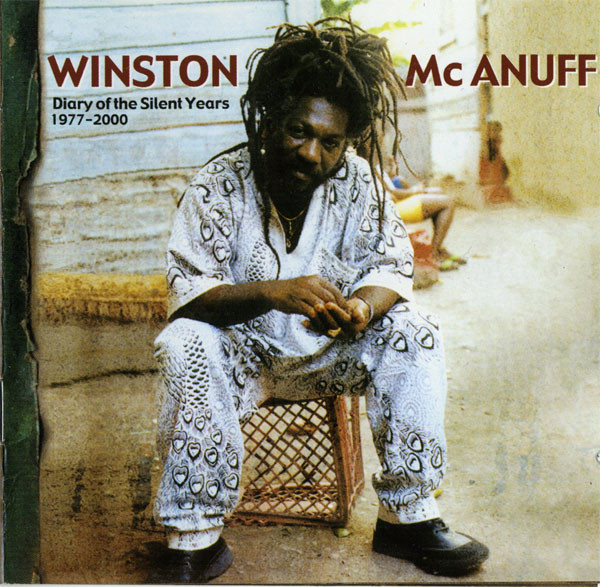
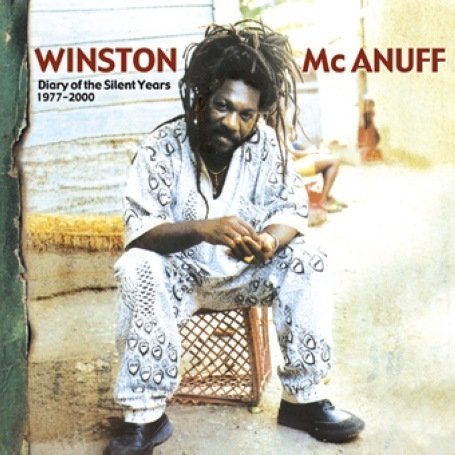
Everything changed in 2002. The young French label Makasound unearthed McAnuff’s recordings under the title Diary of the Silent Years. « They pirated my album for five years », he recalls, before adding with irony: « I hired a lawyer and made sure they returned the disc so I could release it here. » The lawsuit was won; Makasound finally published Pick Hits to Click and What the Man “a” Deal Wid for the world.
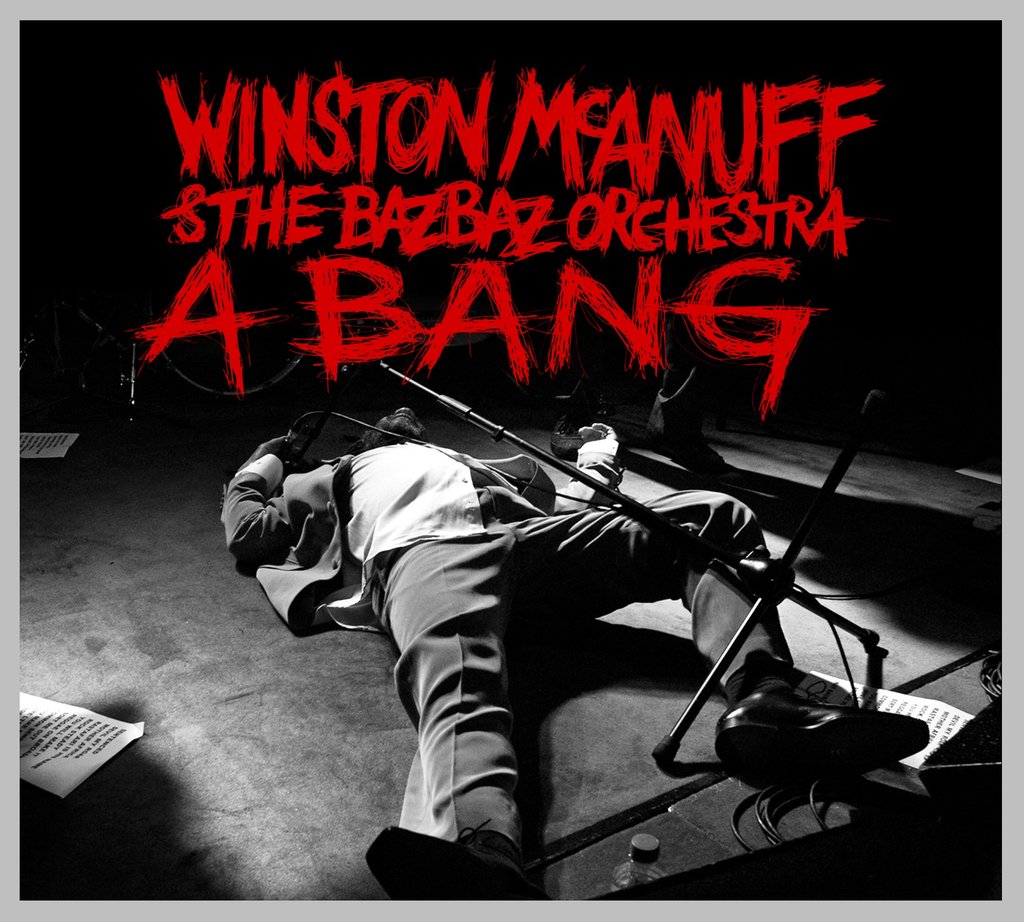
But McAnuff was not destined to remain confined to his roots heritage. He met Camille Bazbaz, a French keyboardist, and together they recorded A Drop (2005), an album where reggae merges with funk, rock, and punk rock. « Even when I work with guys like Bazbaz, I keep my roots », he explains to United Reggae. « What I sing is the message that counts. »
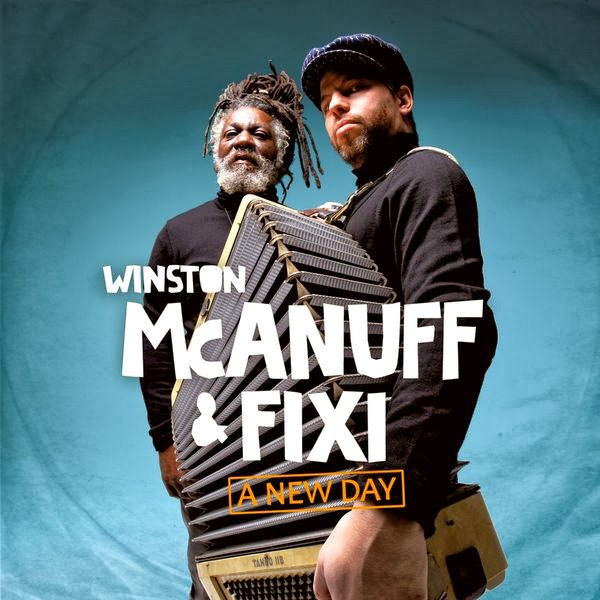
The following album, Paris Rockin’ (2006), confirmed this adventure: McAnuff collaborated there with Java, accordionist Fixi Brossard, guitarist M, and, surprisingly, the Congos on backing vocals. Paris Rockin’ opened a completely different world for me, he says. « It’s an album with accordion, so naturally it attracts a different audience. A wonderful experience that crossed musical borders. »
The album Nostradamus (2008), produced by Clive Hunt, became a mystical concept album inspired by Nostradamus’s prophecies. McAnuff, who considers American ancestors — Stevie Wonder, Ray Charles, Al Green — as spiritual models, asserts there: « I represent all these ancestors. My Lord. »
Legacy
Winston McAnuff illustrates a rare paradox in reggae: an artist whose major career breakthrough occurred only on the occasion of a posthumous rediscovery — almost. His journey, from the church in Manchester Parish to French stages where he shares the bill with Java, Celtic Social Club, or Inna De Yard, shows a musician who always refused to choose between tradition and experimentation. « If I don’t do this, I can’t bring new people to reggae », he said. « People tell me: before, I didn’t like reggae, but now I like reggae. » In 2026, at 69, he embarked on a fourteen-date French tour for the twentieth anniversary of Paris Rockin’ — proof that he is not done convincing.
Sources and references
- « Winston McAnuff », Wikipedia, https://en.wikipedia.org/wiki/Winston_McAnuff, accessed November 3, 2026.
- Angus Taylor, « Interview : Winston McAnuff », United Reggae, https://unitedreggae.com/articles/n149/052008/interview-winston-mcanuff, May 2008, accessed November 3, 2026.
- Howard Campbell, « Winston McAnuff marks 20 years of ‘Paris Rockin’’ », Reggae Vibes, https://www.reggae-vibes.com/news/2026/11/winston-mcanuff-marks-20-years-of-paris-rockin/, November 2, 2026, accessed November 3, 2026.
- « Winston McAnuff », World A Reggae Entertainment, https://www.worldareggae.com/artists/winston-mcanuff/, accessed November 3, 2026.
- « Winston McAnuff », Discogs, https://www.discogs.com/artist/157566-Winston-McAnuff, accessed November 3, 2026.
- Cecelia Campbell-Livingston, « A New Day for McAnuff », Jamaica Observer, https://www.jamaicaobserver.com/entertainment/A-New-Day-for-McAnuff_15325772, October 27, 2013, accessed November 3, 2026.
- Annie Brown, « Jamaican reggae star Winston McAnuff arrives in Scotland », Daily Record, http://www.dailyrecord.co.uk/entertainment/celebrity-interviews/jamaican-reggae-star-winston-mcanuff-3099773, February 1, 2014, accessed November 3, 2026.
- Carl Gilchrist, « Greensleeves, McAnuff Battle Over Song », Jamaica Gleaner, http://jamaica-gleaner.com/gleaner/20131103/ent/ent6.html, November 3, 2013, accessed November 3, 2026.