Biography
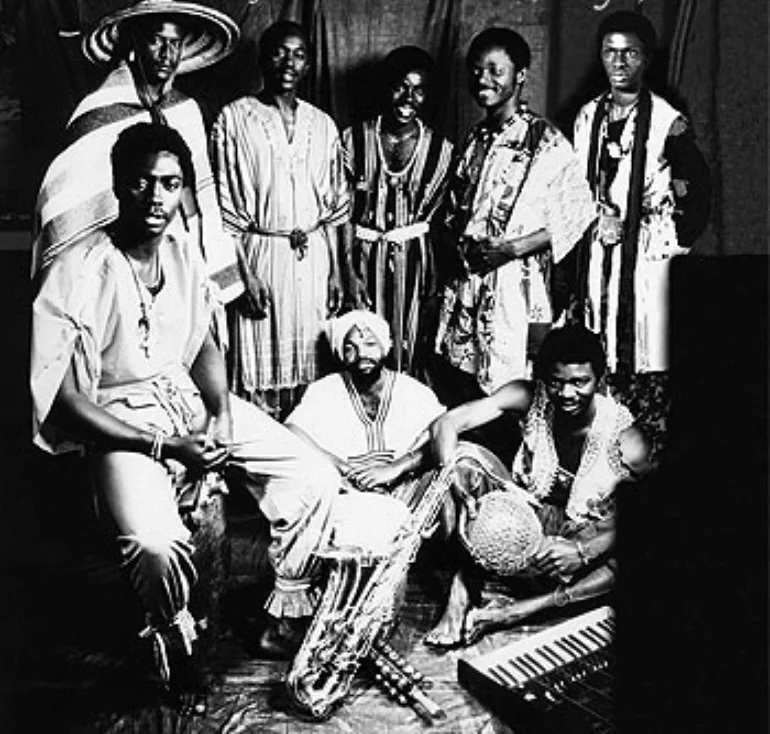
Xalam: the wild afro-funk adventure from Senegal
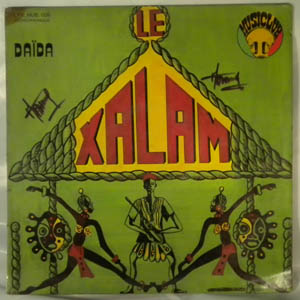
Dakar, late 1960s. On the stages of Plateau, five Senegalese friends race forward at full speed, blending rock, salsa, and rhythm and blues. The name? African Khalam Orchestra, then Cadets Xalam. Inspired by an ephemeral orchestra from the 1960s, they draw their identity from the xalam, this two-stringed lute that Serer griots have made resonate for centuries.
In brief
| Name | Xalam (sometimes Xalam 2) |
| Origin | Dakar, Senegal |
| Genre | Afrojazz, afro-funk, mbalax (a raised and danceable rhythm born in Senegal, stemming from the griot sabar tradition) |
| Activity | Since 1969 |
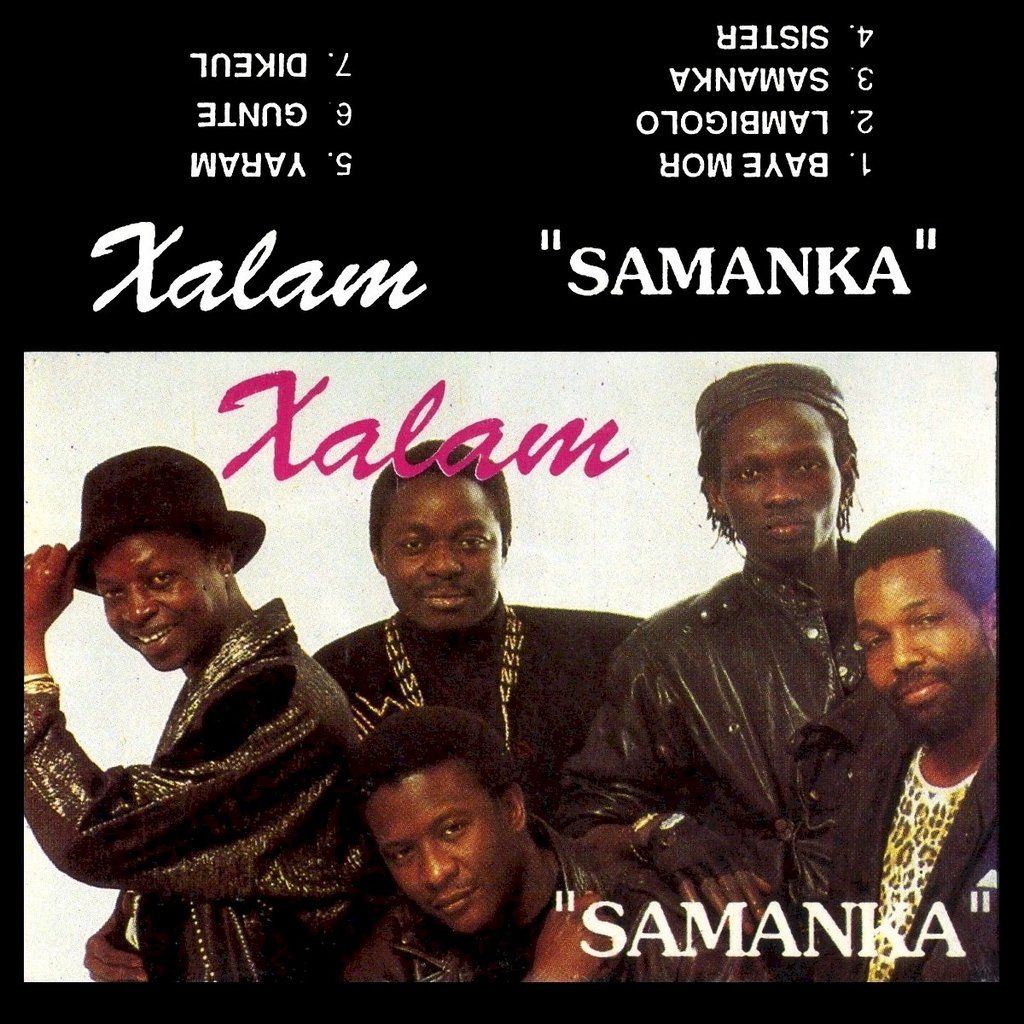
| Founding members | Abdoulaye Prosper Niang (drums), Taffa Cissé (percussion), Henri Guillabert (keyboards), Papa Moussa Babou “Baye” (bass), Ibrahima Coundoul “Brams” (vocals) |
| Signature works | Gorée, Apartheid, Ndiguël, Xarit |
Key dates
| Year | Event |
|---|---|
| 1969 | Group founded in Dakar |
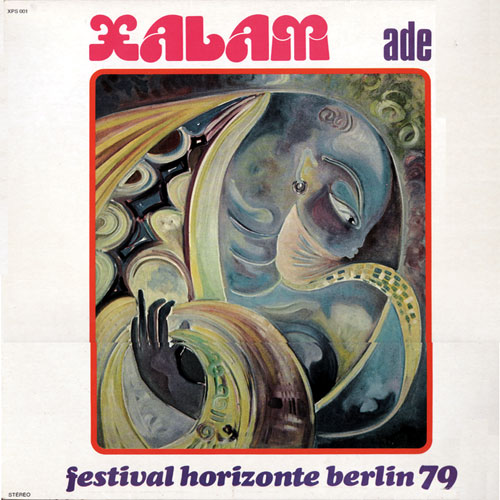
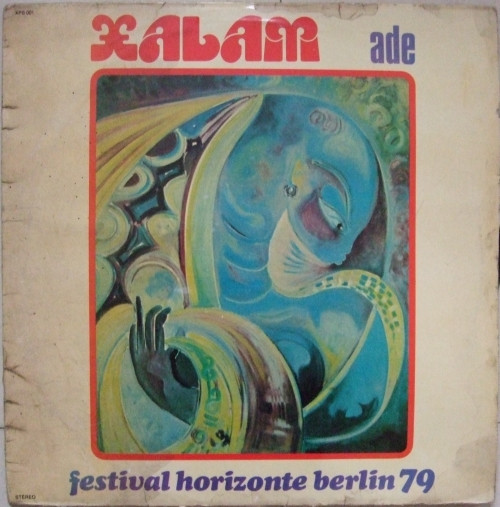
| 1979 | Horizonte Festival in Berlin; first LP, Ade |
| 1981 | Soundtrack for the Epcot pavilion, recorded in Dakar |
| 1983 | Gorée; Rolling Stones invited to play on Undercover of the Night |
| 1984 | Gorée in Top 5 of Le Monde for five months |
| 1986 | Release of Apartheid, the group’s creative peak |
| 1988 | Death of Abdoulaye Prosper Niang, founding leader |
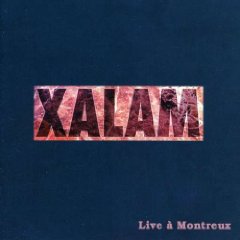
| 2008 | Live à Montreux (1991 recording) |
| 2015 | Waxati, return to the studio after 22 years |
| 2024 | EP Retour aux Sources, 55 years of career |
From Dakar to the world stage
Xalam was born in the Plateau neighborhood of Dakar at the end of the 1960s. Five young friends—Abdoulaye Prosper Niang on drums, Taffa Cissé on percussion, Henri Guillabert on keyboards, Papa Moussa Babou “Baye” on bass, and Ibrahima Coundoul “Brams” on vocals—first tried out a Western repertoire: rock, salsa, bossa nova, rhythm and blues. They toured the continent, playing in Ghana, Côte d’Ivoire, and Nigeria. The success was local. They knew they lacked a proper identity.
This quest plunged them into deeper roots. The sabar rhythms of the griots and the melodies of the Serer xalam rose to the surface. Result: an explosive mix of afro-funk, jazz, and mbalax—a sound neither Westerners nor Africans had ever heard before, but which everyone recognized as their own heritage.
The year 1979 marked a turning point. In Berlin, at the Horizonte festival, Xalam recorded Ade, their first long-playing record. The launch of a meteoric trajectory. In 1981, Walt Disney called them to Dakar for the African pavilion of Epcot. Two years later, their appearance at Paris Africa Fête caused such a stir that the Rolling Stones, from the dressing rooms, invited the group’s percussionists to contribute to their upcoming album, Undercover of the Night. Gorée (1983) exploded: it climbed for five months in the Top 5 of Le Monde’s African, reggae, and folk albums.
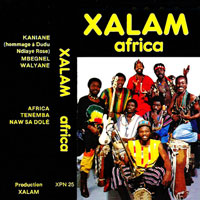
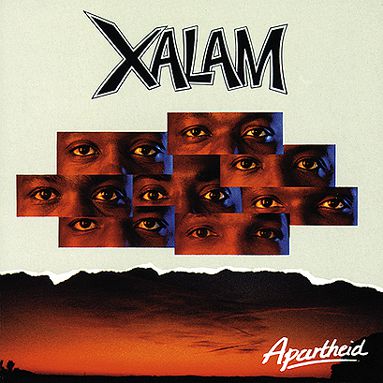
The peak of this period arrived in 1986 with Apartheid. The album is an afro-funk war machine: Doley rolls with an implacable groove driven by Baye Babou and Prosper Niang; Kaniane makes the saxophones scream while Taffa Cissé’s sabars launch ritual calls. Shocking guests—Luther Allison, Richard Raux from Magma, Jean-Philippe Rykiel—enrich the whole. Apartheid ranks alongside the foundational albums of 1980s world music.
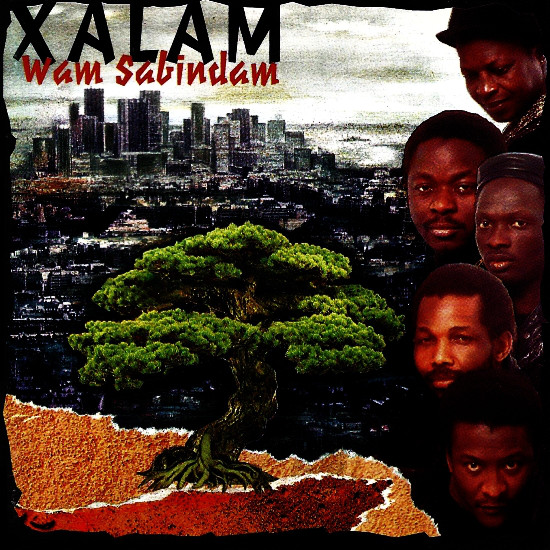
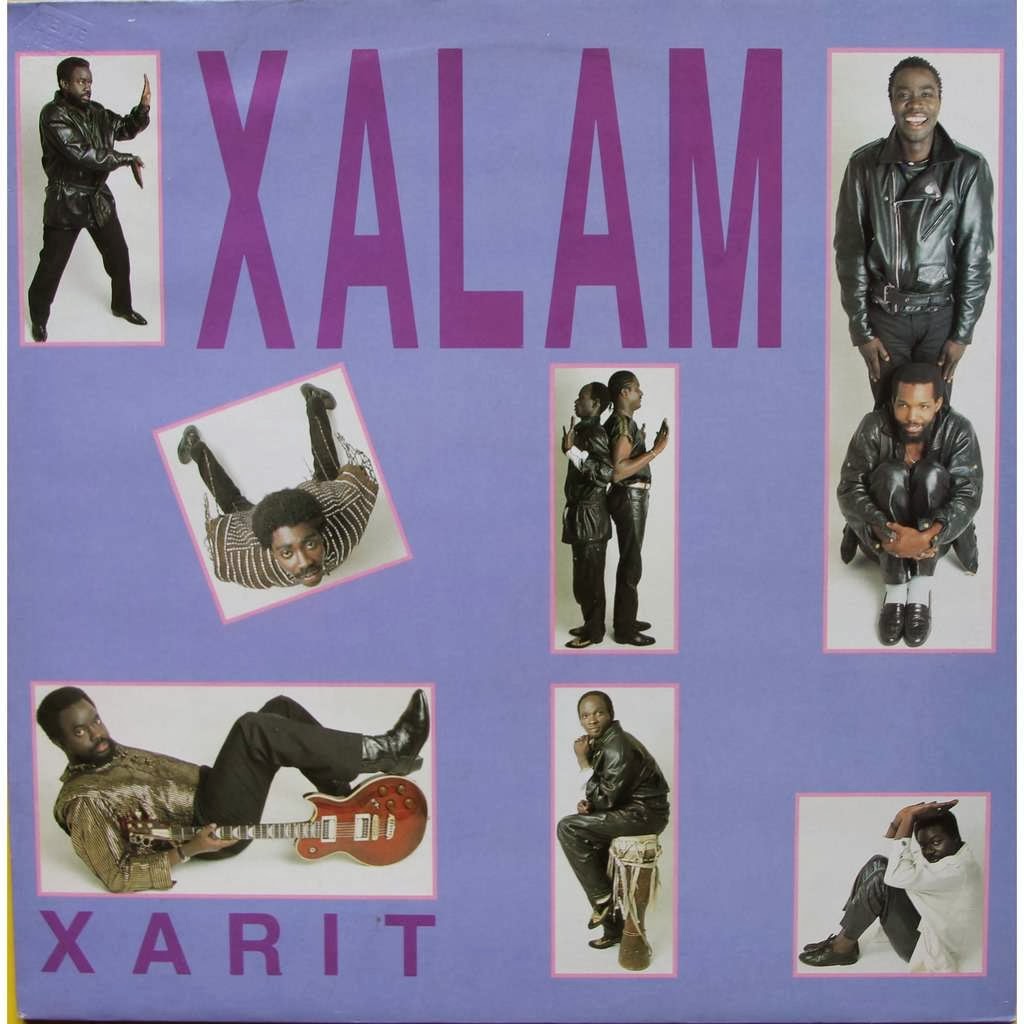
But the death of Abdoulaye Prosper Niang in 1988 struck the group like thunder. Considered a meteorite of African music, Prosper Niang was Xalam’s beating heart. The group bent for a moment but did not break. Xarit (1988) and Wam Sabindam (1993) testify to a group that, though wounded, refuses to be lulled into sleep. Tours accumulated: Europe, Japan, South Africa. After a decade of pauses, Xalam returned to the forefront in 2008 with Live à Montreux, and in 2015 with Waxati, their first studio album after twenty-two years. In 2024, Retour aux Sources celebrates 55 years of uninterrupted career.
Major works
| Work | Year | Why it’s essential |
|---|---|---|
| Gorée | 1983 | First international album; impeccable percussion, a sound never equaled. |
| Apartheid | 1986 | Creative peak. Militant afro-funk, sharp brass, sabar rhythms. A foundational album. |
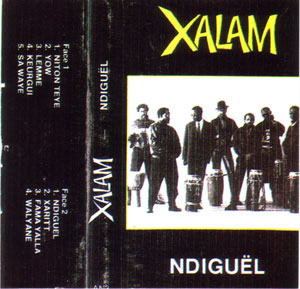
| Ndiguël | 1987 | The hit “Nitou tey” (“be humble”) proves that success cannot be sold. |
| Waxati | 2015 | Return to the studio after 22 years; the torch has never stopped burning. |
Legacy
Xalam remains a reference in African music. Its approach—blending funk and jazz with traditional Senegalese rhythms without ever renouncing either one—opened the way for generations of musicians, from formations of the new Dakar scene to African jazz projects in Europe. In Africa and in Dakar alike, Xalam is cited as a laboratory that still functions.
Sources and references
-
“Xalam (group)”, Wikipedia, https://fr.wikipedia.org/wiki/Xalam_(groupe), accessed October 22, 2024.
-
“Xalam 2”, Wikipedia, https://en.wikipedia.org/wiki/Xalam_2, accessed October 22, 2024.
-
“Xalam — Biography”, AllMusic, https://www.allmusic.com/artist/xalam-mn0000683160, accessed October 22, 2024.
-
“Frank Bessem’s Musiques d’Afrique / Senegal: Xalam”, Musiques d’Afrique, https://musiques-afrique.net/senegal/art_xalam.html, accessed October 22, 2024.
-
“Apartheid — Xalam, 1986”, Afro Caribbean Beats, https://afrocaribbeanbeats.com/en/apartheid-xalam-1986/, accessed October 22, 2024.
-
“Marche à l’ombre”, AlloCiné, https://www.allocine.fr/film/fichefilm-232/casting/, accessed October 22, 2024.
-
“Marche à l’ombre — Soundtrack”, Afrisson, https://www.afrisson.com/marche-a-l-ombre-lp-1924/, accessed October 22, 2024.
-
« Xalam — Discography », Discogs, https://www.discogs.com/artist/373822-Xalam, accessed 22 October 2024.