Biographie
Stimela : le train à vapeur qui a fait dérailler l’apartheid
Dans un townshipt sud-africain des années 1980, un morceau de Stimela fait taire les émetteurs de la SABC et enflamme la clandestinité. “Whispers in the Deep”, chanson qui chante la peur et l’appel à la résistance, bannie à la radio, se répand dans les dortoirs de Joburg et fait de Stimela une voix du mouvement anti-apartheid.
En bref
| Nom du groupe | Stimela |
| Origine | Johannesbourg, Afrique du Sud |
| Genres | Afro-fusion (jazz, R&B, mbaqanga) |
| Période | 1970s – présent |
| Membres fondateurs | Ray Phiri (guitare), Isaac Mtshali (batterie), Lloyd Lelosa (claviers), Jabu Sibumbe (basse) |
| Œuvres emblématiques | Look, Listen and Decide, Fire, Passion and Ecstasy, “Whispers in the Deep” |
| Distinctions | Prix SAM, Grammy (via Graceland), Order of Ikhamanga (Ray Phiri) |
Dates clés
| Année | Événement |
|---|---|
| 1974 | Formation de The Cannibals, groupe de soul à Johannesbourg |
| 1982 | Le groupe se rebaptise Stimela (« train à vapeur » en langues ngouni) |
| 1984 | Fire, Passion and Ecstasy, premier succès (certifié or) |
| 1986 | Look, Listen and Decide : “Whispers in the Deep”, banni par la SABC |
| 1986 | Ray Phiri collabore avec Paul Simon sur Graceland |
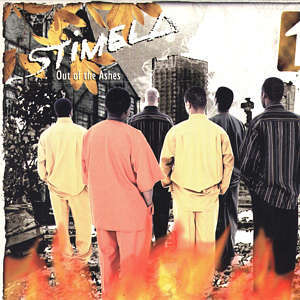
| 1996 | Out of the Ashes, retour au pays après l’exil |
| 2011 | Trois SAM Awards ; Ray Phiri reçoit l’Order of Ikhamanga |
| 2017 | Décès de Ray Phiri ; le groupe poursuit son activité |
Un parcours de résistance et de consécration
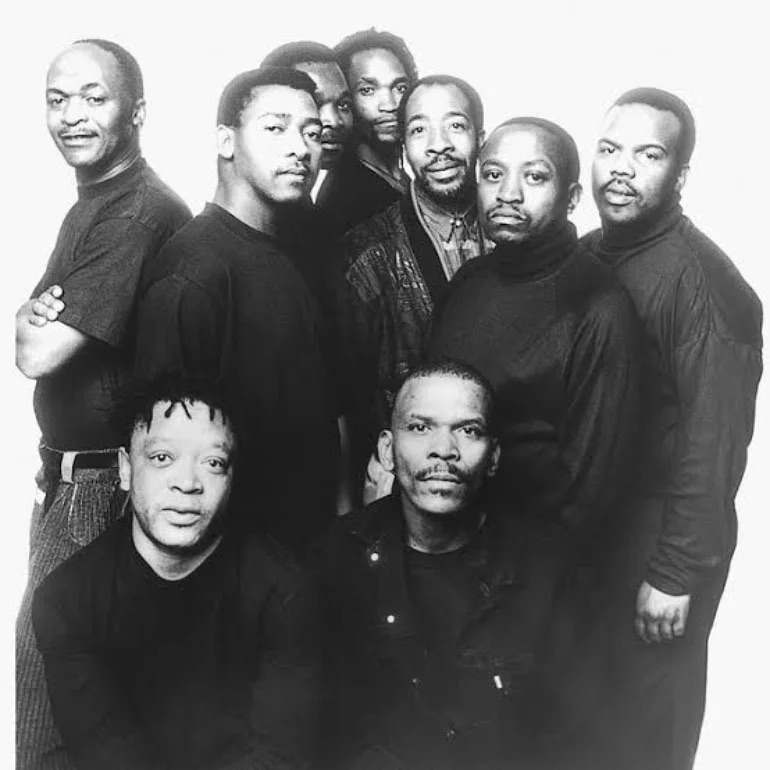
Ray Phiri naît le 23 mars 1947 à Nelspruit. Son père, musicien malawien surnommé « Just Now » Phiri, lui apprend la guitare avant qu’un accident agricole ne lui coûte trois doigts. Raymond le récupère, se forme seul et rejoint les Jabavu Queens en tant que danseur. À Johannesbourg, au début des années 1970, il fonde avec le batteur Isaac Mtshali, le claviériste Lloyd Lelosa et le bassiste Jabu Sibumbe The Cannibals, groupe de soul puis de mbaqanga (style townshipt sud-africain à rythme entraînant). Le groupe adopte le chant en 1975 grâce au vibrant Jacob Radebe, qui disparaît en 1978, mais The Cannibals résiste.
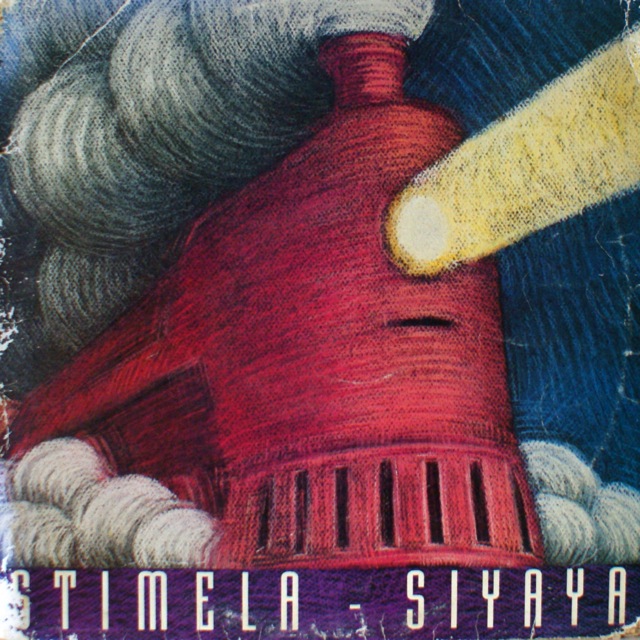
En 1982, bloqués trois mois à Maputo au Mozambique, Phiri et ses compagnons vendent leurs effets pour payer un voyage en train. Cette épreuve bascule leur identité : le groupe se rebaptise Stimela, en référence au « train à vapeur » dans les langues ngouni. La formation s’agrandit avec Charlie Ndlovu et Thapelo Khomo aux claviers, le guitariste Ntokozo Zungu et le chanteur Joy White.
Fire, Passion and Ecstasy (1984) décroche le statut d’or. Look, Listen and Decide (1986) est l’œuvre fondatrice : l’album oscille entre ballades et hymnes de révolte. “Whispers in the Deep” dénonce la peur installée dans les corps opprimés. Bannie par la South African Broadcasting Corporation, la chanson amplifie paradoxalement la notoriété du groupe. Stimela accompagne également les Mahotella Queens et Irene Mawela.
Entre 1985 et 1992, Ray Phiri parcours plus de trente pays avec Paul Simon sur Graceland (1986) et Rhythm of the Saints (1990), se produit au Madison Square Garden et à la télévision américaine. Le passage par Graceland ouvre des portes à la formation, qui signe avec Gallo Record Company et atteint le platine. Phiri affirmera plus tard que Simon ne l’avait pas crédité pour ses compositions.
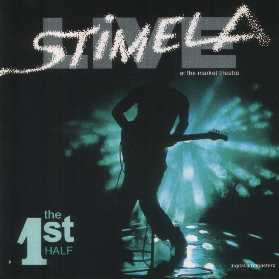
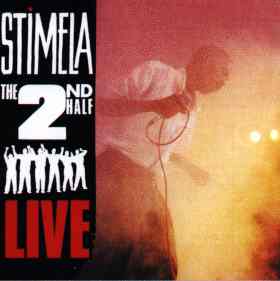
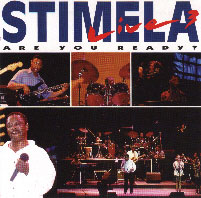
Out of the Ashes (1996) scelle le retour de Stimela au pays après l’exil. Le groupe multiplie les albums : Siyaya (1991), Khululani (1994), Turn on the Sun (2011), Catch the Train (2018). Les SAM Awards de 2011 couronnent A Lifetime… et le DVD Live in Concert 25 Years. Le 12 juillet 2017, à 70 ans, Ray Phiri meurt d’un cancer du poumon à Nelspruit. L’UNISA lui confère, en 2024, un doctorat honoris causa en musique.
Œuvres majeures
| Œuvre | Année | Pourquoi c’est essentiel |
|---|---|---|
| Fire, Passion and Ecstasy | 1984 | Premier succès, certifié or |
| Look, Listen and Decide | 1986 | Œuvre fondatrice ; “Whispers in the Deep”, hymne anti-apartheid |
| Graceland (collaboration) | 1986 | Ray Phiri au côté de Paul Simon : visibilité mondiale |
| Out of the Ashes | 1996 | Retour au pays après l’exil ; platine |
| The Unfinished Story | 1987 | Exploration afro-fusion et écriture politique |
Héritage
Stimela a tracé la voie d’une musique sud-africaine où le jazz, le soul et le mbaqanga tissent une toile sans frontières. Ray Phiri, guitariste autodidacte, est devenu l’un des piliers de la scène sud-africaine et l’inspirateur de générations. Stimela continue de tourner, portant le nom du train qui a changé leur destin.
Sources et références
- « Stimela (band) », Wikipédia, https://en.wikipedia.org/wiki/Stimela_(band), consulté le 23 octobre 2026.
- « Raymond (Ray) Chikapa Enock Phiri », Wikipédia, https://en.wikipedia.org/wiki/Ray_Phiri, consulté le 23 octobre 2026.
- « Stimela », AllMusic, https://www.allmusic.com/artist/stimela-mn0000937155, consulté le 23 octobre 2026.
- « Raymond (Ray) Chikapa Enock Phiri », South African History Online, https://sahistory.org.za/people/raymond-ray-chikapa-enock-phiri, consulté le 23 octobre 2026.
- Kalin Pashaliev, « Interview : SA legend Ray Phiri », Music In Africa, https://www.musicinafrica.net/magazine/interview-sa-legend-ray-phiri, consulté le 23 octobre 2026.
- « What the lives of two South African music giants tell us about culture under apartheid », The Conversation, https://theconversation.com/what-the-lives-of-two-south-african-music-giants-tell-us-about-culture-under-apartheid-80970, consulté le 23 octobre 2026.
- Nicholas Huggins, « Ray Phiri, ‘Graceland’ Guitarist and Anti-Apartheid Icon, Dies at 70 », The Washington Post, https://www.washingtonpost.com/local/obituaries/ray-phiri-south-african-jazz-musician-who-performed-with-paul-simon-dies-at-70/2017/07/12/09df92ae-671c-11e7-8eb5-cbccc2e7bfbf_story.html, consulté le 23 octobre 2026.
- « Presentation of National Orders », The Presidency of South Africa, http://www.thepresidency.gov.za/MediaLib/Downloads/Newsletters/National%20Orders%202011.pdf, consulté le 23 octobre 2026.