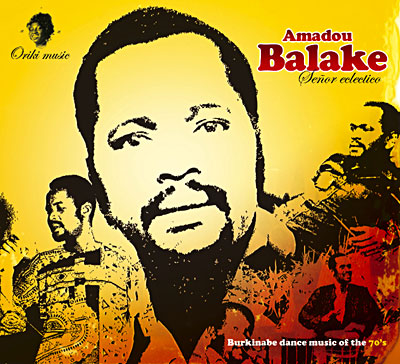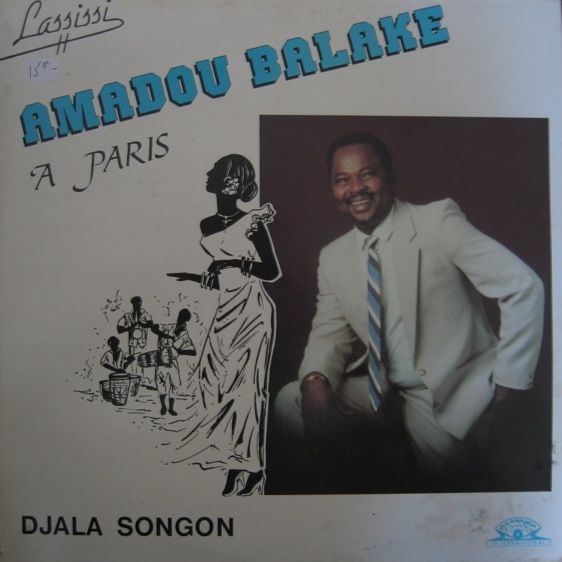
Biography
Amadou Balaké
Ouahigouya, 1944. A young boy listens to his uncle’s records and memorizes distant rhythms, far removed from the traditional Yatenga percussion. Decades later, these same rhythms get the dance floors of New York and Paris moving. Amadou Balaké — whose nickname comes from the Manding word for “porcupine” — spent his life weaving a single tapestry: where Burkinabè warba meets Cuban sound, where a former taxi driver becomes a trans-African icon.
In brief
| Full name | Amadou Traoré, known as Amadou Balaké |
| Birth | March 8, 1944, Ouahigouya (Upper Volta, today Burkina Faso) |
| Death | August 27, 2014, Ouagadougou (Burkina Faso) |
| Genre(s) | Mande music, salsa, son cubano, warba, afro-jazz |
| Instruments | Vocals, guitar |
| Notable works | “Taximen”, “Balaké”, “Massa Kamba” |
| Awards | Gold record in Côte d’Ivoire (1982) |
Key dates
| Year | Event |
|---|---|
| 1944 | Born in Ouahigouya, son of a former republican guard converted to Islam |
| 1952 | His mother moves to Ouagadougou after her husband’s death; he discovers music there |
| 1956-1962 | Apprentice driver in Mopti (Mali): “They never stopped insulting me” |
| 1962-1968 | First professional steps in orchestras in Bamako, Abidjan, and Conakry; Guinea: Horoya Band |
| 1968-1970 | Return to Upper Volta; Harmonie Voltaïque and “Balaké” become a trans-African hit |
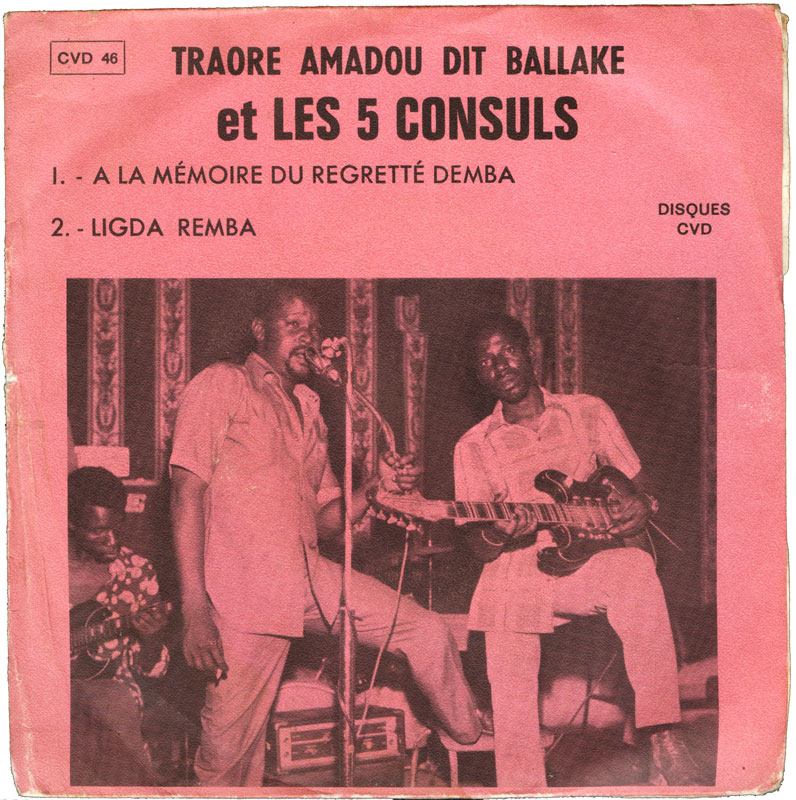
| 1970-1975 | Amadou Balaké and the 5 Consuls; first solo album in the mid-1970s |
| 1978-1979 | Recordings in New York: À New York and Afro-Charanga (with Alfredo Rodríguez) |
| 1982 | Gold record in Côte d’Ivoire for “Taximen n’est pas gentil” |
| 2000-2013 | Member of Africando, the African salsa group: Betece, Martina, Ketukuba |
| 2014 | Death in Ouagadougou, complications from diabetes leading to amputation |
A taxi driver turned king of Manding salsa
Amadou Traoré was born on March 8, 1944, in Ouahigouya, in the Yatenga region, then part of French Upper Volta. His father, Fiifou Lompo, was a gourmaché (officer of the Loropeni kingdom) and former republican guard. After his death, his mother Awa Maïga moved with him to Ouagadougou in 1952. It was there that he discovered music on records, a passion that would take him much further.
Like many teenagers of his time, Amadou learned a trade to survive. Between 1956 and 1962, he was an apprentice driver in Mopti, Mali. “They never stopped insulting me,” he recounted twenty years later. Upon returning to Ouagadougou, he worked as a mason’s assistant — participating in the construction of the Hôtel Indépendance (now Azalai) — then as a doorman, got his license, and started driving a taxi.
In 1962, at eighteen, he turned to music. He played in various orchestras in Bamako, Abidjan, and Conakry. In Côte d’Ivoire (1963), he joined Los Mate Cocos and rubbed shoulders with guitarist “Grand Papa” Diabaté. In Guinea, he founded the Horoya Band and played with Balla & ses Balladins, La Paillotte, and Mamou’s Bafing Jazz. President Sékou Touré liked him so much that he paid for his plane ticket to return him to Upper Volta.
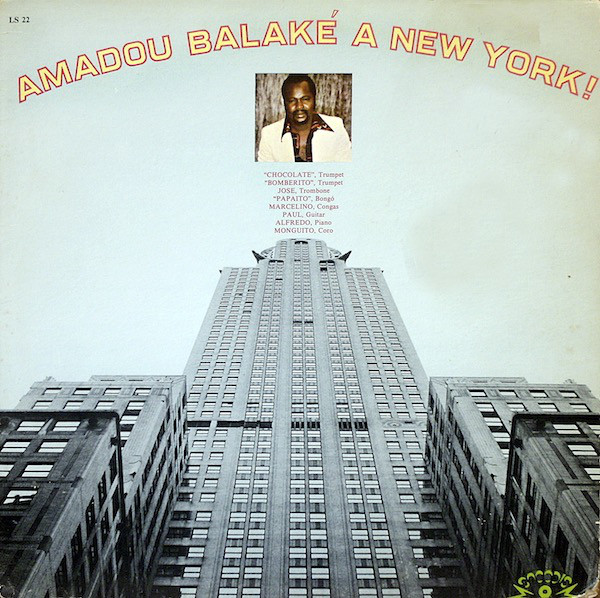
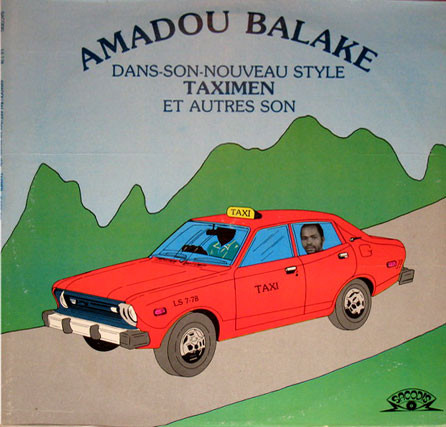
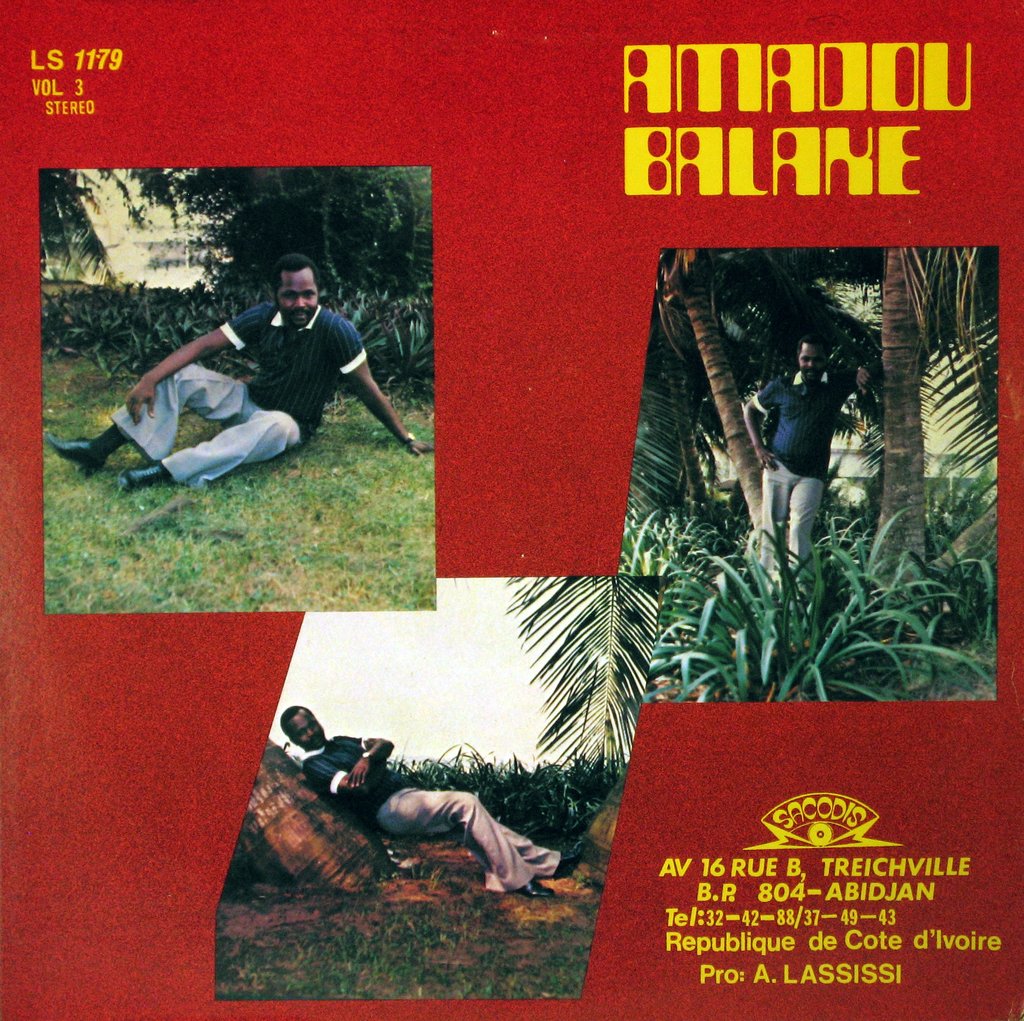
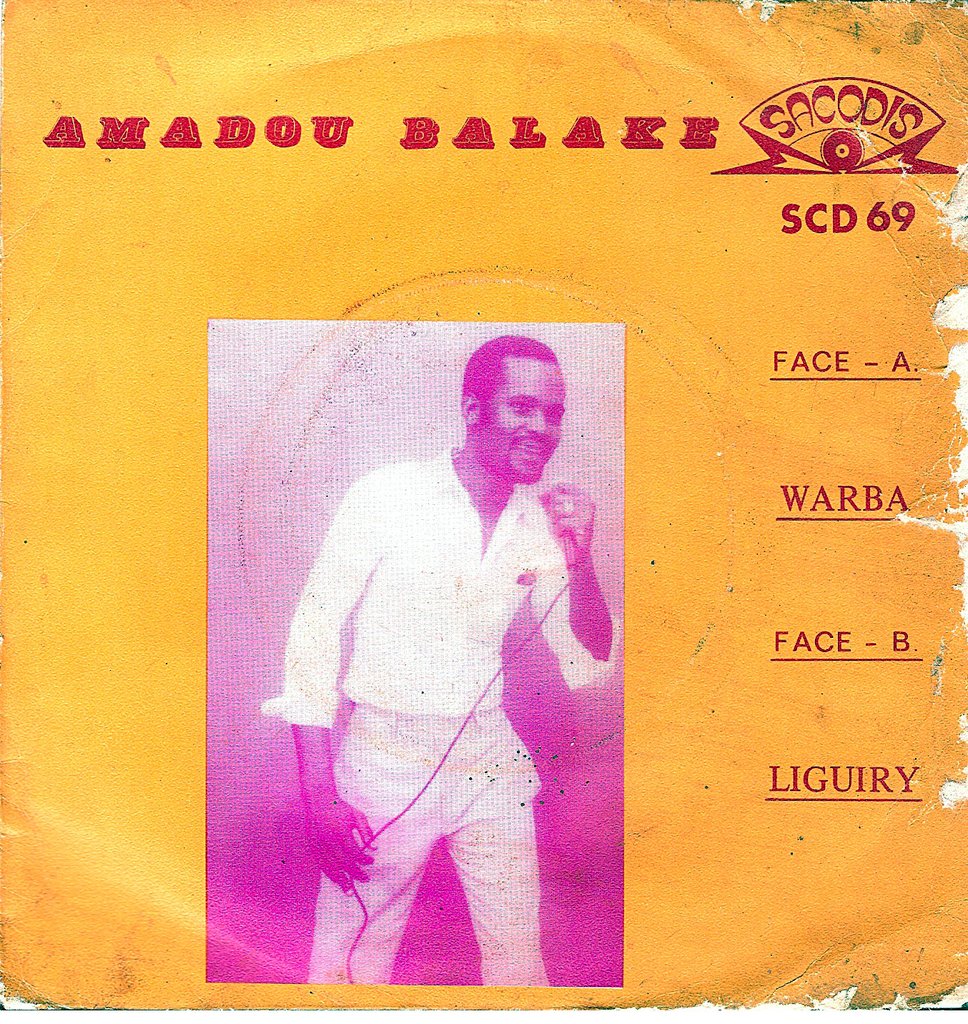
Returning to the country around 1968-1969, he joined the Harmonie Voltaïque and composed a song that made an impression: “Balaké” means “porcupine” in Manding. The title became a hit across West Africa, and thus Amadou Traoré definitively became Amadou Balaké. He then formed his own group, the 5 Consuls, and recorded his first album in the mid-1970s. In 1979, he traveled to New York with the Gambian Laba Sosseh and recorded two albums — À New York and Afro-Charanga (with pianist Alfredo Rodríguez) — in front of New York sidemen who opened the doors of the continent for him. In 1982, his single Taximen n’est pas gentil, which tells the story of his life as a taxi driver, earned him a gold record in Côte d’Ivoire.
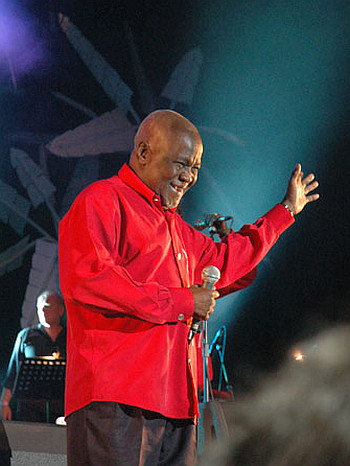
In the 1980s, Balaké settled in Abidjan and then Paris. His style blends Burkinabè warba, Cuban montuno, and salsa, with lyrics in Dioula, French, and occasionally Mossi. International critics compared him to the greatest Malian orchestras, such as the Rail Band and the Bembeya Jazz. In 2000, he was invited by Ibrahima Sylla to sing on the album Mandali by Africando, the African salsa group founded by Syllart. Balaké became an official member and toured the world with them, participating in Martina (2003), Ketukuba (2006), and Viva Africando (2013). “When I returned from the United States, I was invited to Abidjan to receive my gold record. That was the happiest moment for me,” he recalled in 2013. The compilations Golden Afrique (2008) and Bambara Mystic Soul (Analog Africa, 2011) revealed his work to new audiences. He died on August 27, 2014, in Ouagadougou, from complications of diabetes that led to the amputation of a leg. His posthumous album In Conclusion, published by Sterns Music in 2015, retraces the last recording sessions of this artist who helped make Burkinabè music known worldwide.
Major works
| Work | Year | Why it’s essential |
|---|---|---|
| Taximen (album) | 1978 | Masterpiece of Manding salsa, driven by the eponymous hit that earned a gold record |
| À New York | 1979 | Recorded with New York sidemen, the album demonstrates that Burkinabè music speaks to the whole world |
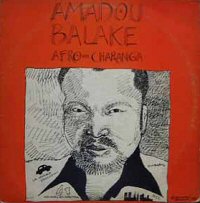
| Afro-Charanga | 1981 | Charanga-Latin fusion and Manding traditions, with Cuban pianist Alfredo Rodríguez |
| Africando — Betece / Mandali | 2000 | Collaboration with the African salsa group that travels around the world and reveals Balaké to the international public |
| In Conclusion (album) | 2015 | Final recordings published posthumously by Sterns Music; time capsule of a man who never stopped creating |
Heritage and influence
Amadou Balaké was a bridge between the music of West Africa and that of the Caribbean. His mandingo-salsa, afro-jazz, and afropop brought the sounds of Yatenga from Ouagadougou to New York and Paris. The artist refused to sing in Mossi because, as he explained to Lefaso.net, « my Mooré is not pure » — he preferred the universality of Mandingo and French, languages that speak across borders. His compositions continue to be rediscovered thanks to compilations by Analog Africa and Mr Bongo, which introduced his music to a new generation of enthusiasts. In 2013, he stated: « If we need great musicians for great shows, we won’t choose Burkina, please », highlighting the shortcomings of national cultural promotion while remaining faithful to the scene.
Sources and references
- « Amadou Balaké », Wikipedia FR, https://fr.wikipedia.org/wiki/Amadou_Balak%C3%A9, accessed 11 November 2026.
- « Amadou Balaké », Wikipedia EN, https://en.wikipedia.org/wiki/Amadou_Balak%C3%A9, accessed 11 November 2026.
- « Amadou Balaké », Afrisson (Nago Seck), https://www.afrisson.com/amadou-ballake-406/, updated 24 May 2020.
- « Ballaké, one of Africa’s great voices has passed away », Jeune Afrique (Florent Mazzoleni), http://www.jeuneafrique.com/45676/culture/ballak-l-une-des-grandes-voix-d-afrique-s-est-teinte/, accessed 11 November 2026.
- « Burkinabè musician Amadou Balaké is dead », RFI, http://www.rfi.fr/culture/20140829-le-musicien-burkinabe-amadou-balake-est-mort-africando, accessed 11 November 2026.
- « Amadou “Balaké”, the golden voice of Burkina », Lefaso.net (Joachim Vokouma), http://www.lefaso.net/spip.php?article17732, accessed 11 November 2026.
- « Amadou Balaké TRAORE, a musical celebrity », Artistes BF (Patrick Coulidiati), https://www.artistesbf.org/amadou-balake-traore-une-celebrite-musicale/, published 20 June 2014.
- « Amadou Balaké: In Conclusion », The Irish Times (Coletta Woodson), http://www.irishtimes.com/culture/music/amadou-balak%C3%A9-in-conclusion-album-review-1.2323135, accessed 11 November 2026.
- « In Conclusion (his final recordings) », Sterns Music (blog), http://sternsmusic.blogspot.co.uk/2015/07/amadou-balake-in-conclusion-his-final.html, accessed 11 November 2026.
- « Bambara Mystic Soul: The Raw Sound of Burkina Faso 1974-1979 », Analog Africa No. 10, liner notes, 2011.
- « The Original Sound of Burkina Faso », compilation compiled by David ‘Mr Bongo’ Buttle and Florent Mazzoleni, Sterns Music, 2017.
- « Frank Bessem’s Musiques d’Afrique / Burkina Faso : Amadou Balaké », https://www.musiques-afrique.net/burkina/art_balake_amadou.html.
- « Amadou Balaké », RateYourMusic, https://rateyourmusic.com/artist/amadou_balake.