Biography
Awilo Longomba: from drummer to “owner of all the hits”
Kinshasa, late 1990s. A powerful voice rises and launches a slogan that will cross the continent: “What is your name? My name is Coupé Bibamba!” This singer, who had just left his drum kit for the microphone, travels from Kinshasa to Nairobi, from Dar es Salaam to Paris. Awilo Longomba — Louis Albert William Longomba — imposes a style baptized techno-soukous: a fusion of Congolese rumba, soukous, ndombolo and electronic beats that will shape African urban music1.
In brief
| Full name | Louis Albert William Longomba |
| Birth | May 5, 1962, Kinshasa (ex-Léopoldville), Democratic Republic of the Congo |
| Ethnic origin | Mongo father, Ngombe mother (Equator) |
| Field | Soukous, techno-soukous, Congolese rumba, ndombolo |
| Roles | Singer, drummer, songwriter-producer, producer |
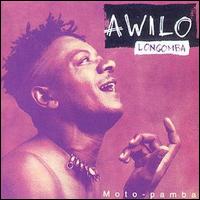
| Iconic albums | Moto Pamba, Coupé Bibamba, Mondongo |
| Awards | Kora Awards (1996, 1997, 2001), IRAWMA Awards (2009) |
Key dates
| Year | Event |
|---|---|
| 1962 | Birth in Kinshasa, son of Vicky Longomba, singer of Tout-Puissant OK Jazz |
| 1985 | Joins Viva La Musica of Papa Wemba as drummer; tours Europe and Japan |
| 1989 | Settles in Paris; discovers electronic music that will inspire his style |
| 1992 | Leaves Viva La Musica, founds La Nouvelle Génération |
| 1995 | First solo album, Moto Pamba; Kora Awards |
| 1998 | Release of Coupé Bibamba, continental hit |
| 2001 | Special jury prize at Kora Awards, awarded to Nelson Mandela |
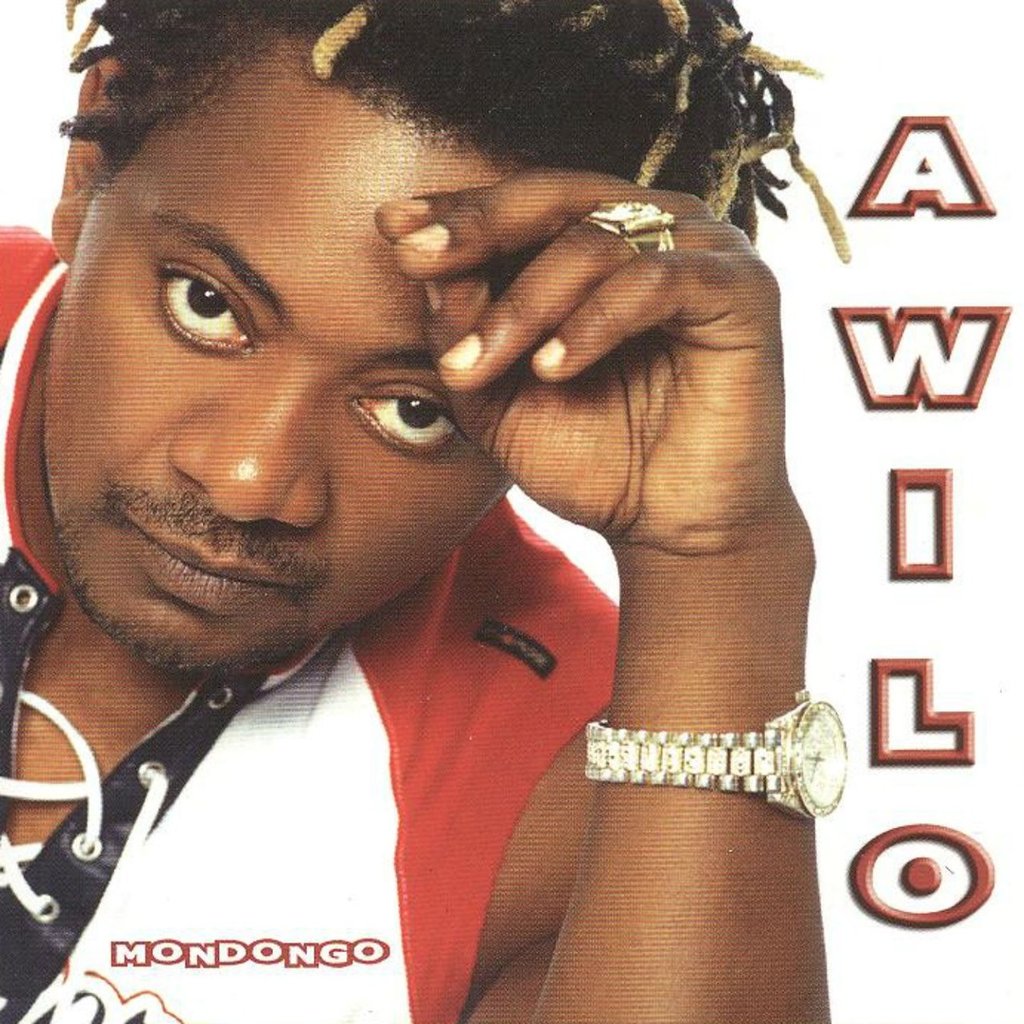
| 2003 | Mondongo, 30,000 copies sold in France |
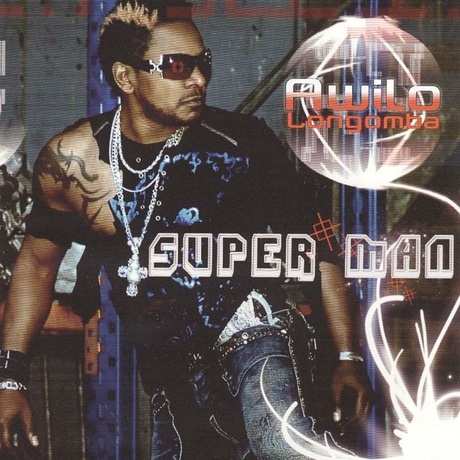
| 2008 | Super-Man, fifth studio album |
| 2009 | IRAWMA Award for best soukous artist |
Origins, training and revelation
Awilo Longomba was born on May 5, 1962 in Kinshasa, to a Mongo father and an Ngombe mother. His family is deeply rooted in the Congolese scene: his father, Vicky Longomba, sang and co-founded the mythical Tout-Puissant OK Jazz. From childhood, Awilo attended rehearsals, immersed in the sound of interlaced guitars and Kinshasa choruses. The problem: Vicky strongly opposed his son becoming a musician, convinced that artists of his era were dissolute figures2. Awilo chose anyway: he dropped out of school, hung around studios, and in 1985 joined Viva La Musica, Papa Wemba’s orchestra. The Europe and Japan tours of 1985-1986 forged an unshakable rhythmic discipline.
In 1989, Awilo settled in Paris. The French capital opened other sonic horizons to him: electronic music was on the rise1. It is this immersion that gave birth to techno-soukous, his signature: a form of soukous modernized technologically, integrated with African percussion and electro beats. Back in Kinshasa, he founded La Nouvelle Génération in 1992, a popular group in Europe. But it was in 1995 that he embarked on his solo career under rocambolesque conditions: the guest singers did not show up, and the engineer suggested he record his own voice. He did it, gun in hand, surrounded by rumba giants — Sam Mangwana, Rigo Star, Lokassa Ya Mbongo. Listeners discovered with surprise that the singer was none other than the drummer they knew.
The hit arrives in 1998 with Coupé Bibamba, featuring singer Jocelyne Béroard. The song denounces poverty in Africa with catchy choruses that become a generational anthem. In 2001, the Kora Awards jury rewards him with a special prize that he presents to Nelson Mandela in Sun City3. The “owner of all the hits”, as he styles himself in a song, has become an institution.
Major works
| Work | Year | Why it is essential |
|---|---|---|
| Moto Pamba | 1995 | First solo album; rumba and techno-soukous fusion; reveals the singer-drummer |
| Coupé Bibamba | 1998 | Continental hit; denunciation of poverty with striking lyrics |
| Mondongo | 2003 | Patchwork: rumba, techno-soukous, R’n’B, kompa; 30,000 copies in France |
| Super-Man | 2008 | Fifth album; affirmation of a confirmed soukous master |
Legacy
Awilo Longomba is one of the most influential Congolese artists of his generation. His invention of techno-soukous paved the way for musicians who, years later, sampled his tracks. In Nigeria, artists like Burna Boy — who cites him as a source of inspiration — draw from his style. In 2023, Tanzanian Harmonize declared: “I want to be like Awilo Longomba.”
But beyond the tributes, Awilo remains a craftsman of joy. From Kinshasa to London, passing through Nairobi and Paris, every concert is an invitation to dance and celebrate Congolese culture.
Sources and references
-
RFI Musique, The new spring of Congolese music by Vladimir Cagnolari, November 7, 2003, accessed October 29, 2026 ↩︎ ↩︎
-
Wikipedia FR and EN, Awilo Longomba, verified article, accessed October 29, 2026 ↩︎
-
Daily Nation (Kenya), When Awilo son of the legendary Vicky Longomba came to town, interview with Awilo Longomba, accessed October 29, 2026 ↩︎