Biography
Beny Moré: the crownless king of Cuban music
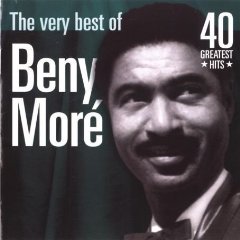
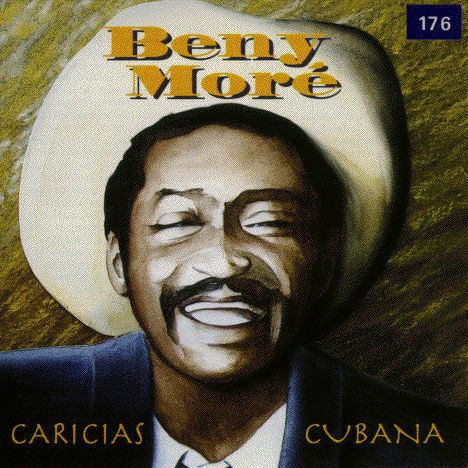
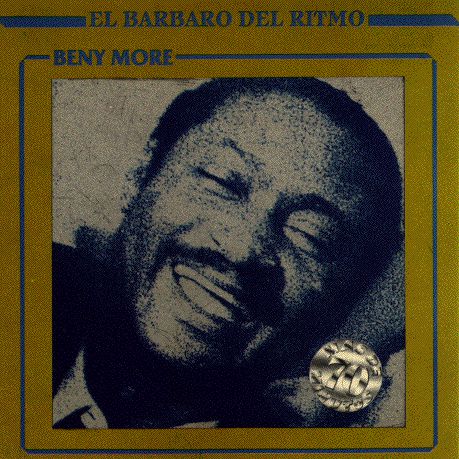
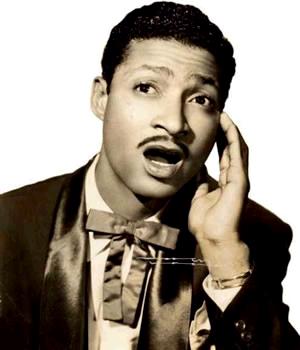
Born Bartolomé Maximiliano Moré Gutiérrez in 1919 in a small town in central Cuba, this singer with a velvety voice shaped the sound of the entire island. Without ever knowing how to read a musical note, he composed a dozen standards and led one of the greatest orchestras of the 1950s1.
In brief
| Full name | Bartolomé Maximiliano Moré Gutiérrez |
| Stage name | Beny Moré (also Benny Moré) |
| Birth | August 24, 1919, Santa Isabel de las Lajas, Cuba |
| Death | February 19, 1963, Havana, Cuba |
| Genres | Son montuno, mambo, guaracha, bolero, cha cha cha |
| Instruments | Voice, guitar |
| Nicknames | « El Bárbaro del Ritmo », « El Sonero Mayor » |
Key dates
| Year | Event |
|---|---|
| 1919 | Birth, eldest of 18 children in Santa Isabel de las Lajas |
| 1936 | Leaves for Havana at age 17; sells fruit on the docks |
| 1941 | Debut on radio Mil Diez with Conjunto Cauto |
| 1942 | Joins Trío Matamoros as lead singer |
| 1945 | Goes to Mexico; records for RCA Victor |
| 1951 | Returns to Cuba |
| 1953 | Founding of Banda Gigante, a major Cuban orchestra |
| 1963 | Dies at age 43 in Havana |
Career: from cane picker to grand orchestra leader
Benny Moré is the eldest of a family of 18 children2. From age six, he crafted his first guitar—a sardine can and a stick. At sixteen, he sang in a local group named Avance during periods of unemployment between cane harvests. In 1936, at seventeen, he left for Havana. He earned his living selling damaged fruit on the port docks while spending his evenings singing in cafés. His style owes much to the soneros who preceded him: Antonio Machín, Miguelito Valdés, and Orlando Guerra.
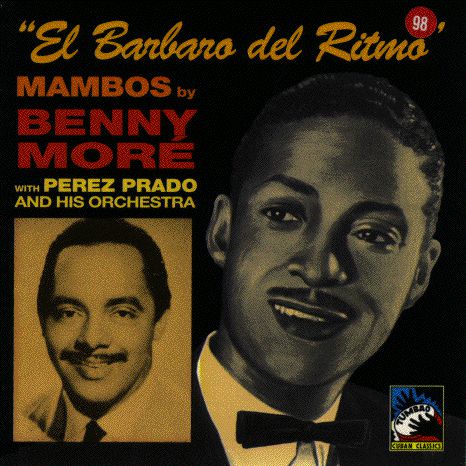
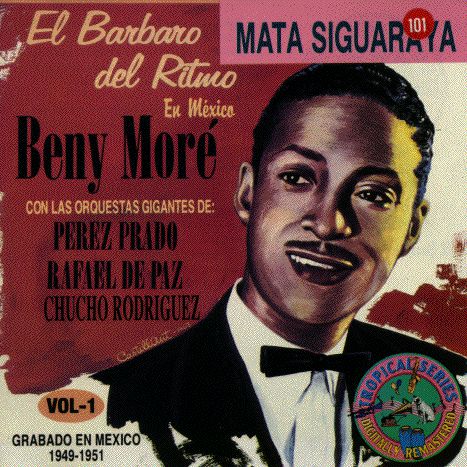
The turning point came in 1942 when Ciro Rodríguez of the famous Trío Matamoros heard him singing at bar El Templete. Moré was called to replace Miguel Matamoros as vocalist. In June 1945, the conjunto went on tour in Mexico. There, he recorded for RCA Victor with top-tier orchestras—Pérez Prado, Mariano Mercerón, and Rafael de Paz. Composer Chucho Rodríguez was so struck by his talent that he nicknamed him « El Bárbaro del Ritmo »—a nickname that would stick to his skin. Moré agreed to change his name to become Beny Moré. His sessions produced “Bonito y Sabroso” and “Como Fue,” two tracks that would become classics. He composed several hits himself thanks to his innate sense of soneo, the art of vocal improvisation in son cubano3.
On August 3, 1953, after returning to Cuba where he faced the racism of an orchestra director who deprived him of certain evenings, Moré founded Banda Gigante. The orchestra became the most formidable on the island. Out of loyalty, he sometimes paid out of his own pocket for RCA sessions to ensure the presence of his musicians, whom he called his tribe4. His frenetic tempos like “Que Bueno Baila Usted” triggered dance crazes, while the bolero, his best showcase as an interpreter, allowed him to deploy his vocal virtuosity. After the Cuban Revolution, he chose to stay among mi gente, his people.
Final years
Alcoholism undermined his health from the late 1950s onward. He continued to sing through sheer will, but his voice suffered the consequences. On February 19, 1963, Beny Moré died of liver cirrhosis at age 43 in Havana2. His funeral drew tens of thousands of people.
Legacy
Moré’s legacy transcends the borders of Cuba. Cited as the greatest singer in Cuban history by critics and musicians alike, he was inducted into the International Latin Music Hall of Fame in 1999 and the Latin Songwriters Hall of Fame in 2016. The film El Benny (2006) and the book Wildman of Rhythm by John Radanovich (2009) perpetuate his memory. Six decades after his passing, Moré remains the gold standard of son cubano and Cuban mambo5.
Major works
| Work | Year | Why it’s essential |
|---|---|---|
| “Bonito y Sabroso” | 1950 | Composed by Moré, an fiery mambo that became a generation-to-generation anthem |
| “Como Fue” | 1953 | A bolero of rare tenderness, immortalized in The Mambo Kings |
| “Que Bueno Baila Usted” | 1957 | A rhythmic guaracha illustrating Moré’s vocal virtuosity and showmanship |
| “Dolor Karabalí” | 1950 | Moré considered it his best composition |
Sources and references
-
John Radanovich, Wildman of Rhythm: The Life and Music of Benny Moré, University Press of Florida, 2009. ↩︎
-
Spencer Harrington, Beny Moré, AllMusic, accessed October 29, 2026. ↩︎ ↩︎
-
Americasalsa, Biografia de Beny More, accessed October 29, 2026. ↩︎
-
Granma, Pedro de la Hoz, The greatness and truth of Benny, September 3, 2019. ↩︎
-
Afropop, Soneros Mayores — Portraits of Beny Moré and Ismael Rivera, September 26, 2023. ↩︎