Biography
Maria de Barros
Born in Senegal, raised in Mauritania, and moved to the United States at the age of eleven: Maria de Barros never set foot in Cape Verde before the age of forty-five, and yet her music is a constant act of love. While her compatriot Cesária Évora popularized the morna, this melancholic lament about absence and sorrow, the “queen of coladeiras”1 chose the opposite approach — lively, festive rhythms that dance between reggae, samba, bossa nova, and coladeira, a Cap Verdean dance rhythm originating from the island of Santiago. The first Cap Verdean-American artist signed to an American label (Narada World, 2003), she opened a global window onto an island culture, wearing its colors with rare lucidity.
In Brief
| Full Name | Maria de Barros |
| Birth | February 3, 1961, Dakar, Senegal |
| Nationality | Cape Verdean |
| Field | Singer, songwriter |
| Genre | Morna, coladeira, funana, Latin influences |
| Notable Works | Nha Mundo, Dança Ma Mi, Morabeza |
| Awards | Miriam Makeba Award (2006), Francophonie Award (2013) |
Key Dates
| Year | Event |
|---|---|
| 1961 | Birth in Dakar, to parents from the island of Brava |
| 1972 | Move to the United States, settlement in Providence (Rhode Island) |
| 1988 | Marriage to Mel Wilson Jr. (bassist of Toots and the Maytals); move to Los Angeles |
| 2003 | Release of Nha Mundo on Narada World, first album on an American label |
| 2005 | First performance in Cape Verde; nomination by Essence Magazine |
| 2006 | Miriam Makeba Award; release of Dança Ma Mi |
| 2009 | Release of Morabeza; NAACP Image Award nomination |
| 2011 | Four nominations at the Cabo Verde Music Awards; Reggadera voted best koladera |
| 2013 | Special Francophonie Award, Washington, D.C. |
Origins: Diaspora as a Place of Rooting
Eldest of five children, daughter of parents from Brava, Maria de Barros spent her first few months in Mauritania before joining her family in Providence, Rhode Island, at the age of eleven. The Cape Verdean community in New England, heir to centuries of famine that drove the Islanders toward the Americas, was already well-established. “My parents insisted that we keep our roots”2. From high school, she sang every weekend at Cape Verdean demonstrations. Her grandfather, the violinist Djedjinho, marked her beginnings: she would later cover two of his compositions on Nha Mundo.
At twenty, she sang with Norberto Tavares and the Tropical Power, joined the Jamm Band which she left in 1988. This move to Los Angeles, with her husband Mel Wilson Jr., distanced her from Cape Verdean music. “There, Cape Verde music stayed behind”3.
Consecration: Between Tradition and Modernity
In Los Angeles, she sang boleros and rancheras in Spanish. Argentine producer Daniel Luchansky accompanied her, but it was the Cape Verdean star, Cesária Évora, who gave her the spark4.
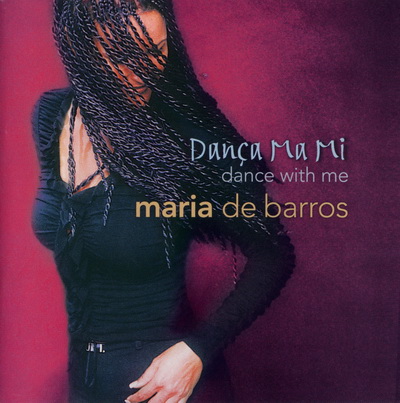
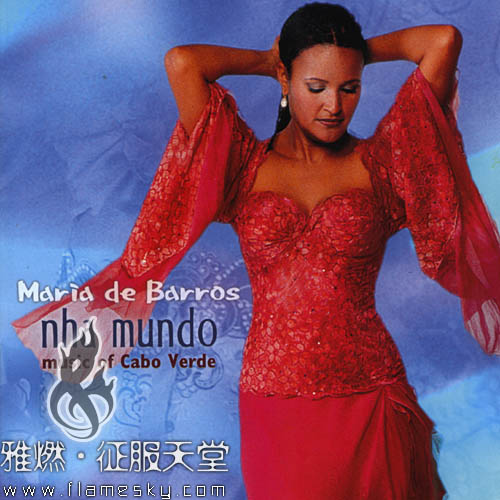
Nha Mundo (2003) is a foundational album, praised by critics and a historical signature. The album alternates between compositions by her grandfather Djedjinho, contemporary mornas, and more rhythmic tracks. Dança Ma Mi (2005) deepened this festive direction.
Maria de Barros sings in kriolu (Cap Verdean Creole mixing Portuguese and West African languages), but also in Portuguese, Spanish, French, German, and English5. Her warm, controlled voice is a cultural bridge instrument: her recordings appear in compilations by Putumayo, Starbucks, and Rough Guide.
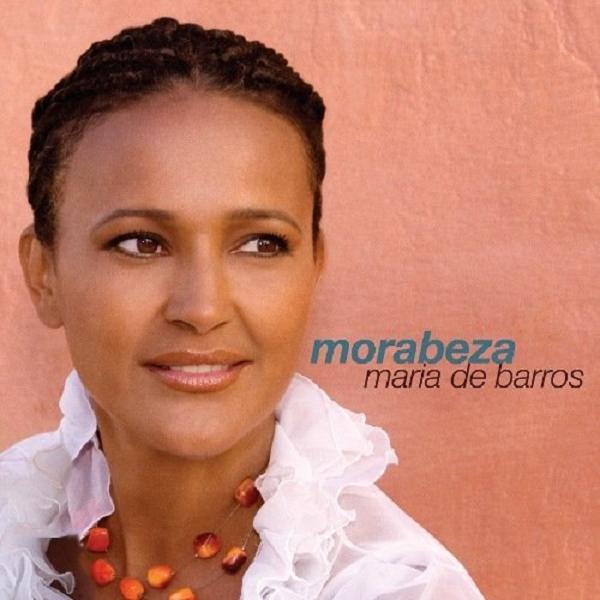
In 2005, she performed for the first time in Cape Verde. “I was not born there, and for my people to make me feel what I have always felt in my heart — that I am Cape Verdean — was extremely powerful6. This experience nourished Morabeza (2009), dedicated to morabeza, this central idea of Cape Verdean culture that encompasses solidarity, hospitality, and friendship. The album was nominated for the NAACP Image Awards and received four nominations at the Cabo Verde Music Awards.
Major Works
| Work | Year | Why It Is Essential |
|---|---|---|
| Nha Mundo | 2003 | First album by a Cap Verdean-American artist on an American label; fusion of tradition and modernity |
| Dança Ma Mi | 2005 | Romantic album affirming the festive style unique to Maria de Barros |
| Morabeza | 2009 | Tribute to the land of her parents; Reggadera aired on HBO Entourage |
Legacy
Maria de Barros occupies a singular place in the Cape Verdean musical landscape. While Cesária Évora embodies the morna, this introspective lament about saudade and absence, the “queen of coladeiras”7 carries its counterpart: catchy rhythms, melodies that invite dancing. Together, the two voices paint a complete image of Cape Verde — between pain and joy, longing and celebration.
Beyond her discography, she brought Cape Verdean music to global stages — WOMEX, LatinoAmerica Festival, Triple Door in Seattle — and represented Francophonie through the BET program Soul of Africa. Her cultural commitment earned her the Special Francophonie Award in 20138.
Her music, rooted in the diaspora yet open to the world, remains a living testimony of an insularity that never closes — on the contrary, it radiates.
Sources and references
-
Seattle Times, article by Andrew Gilbert « Maria De Barros opens a window to Cape Verde », 26 May 2009, accessed 1 November 2026 ↩︎
-
Cabo Verde & a Música – Dicionário de Personagens, caboverdeamusica.online, 2022, accessed 1 November 2026 ↩︎
-
Cabo Verde & a Música – Dicionário de Personagens, caboverdeamusica.online, 2022, accessed 1 November 2026 ↩︎
-
Cabo Verde & a Música – Dicionário de Personagens, caboverdeamusica.online, 2022, accessed 1 November 2026 ↩︎
-
Seattle Times, article by Andrew Gilbert « Maria De Barros opens a window to Cape Verde », 26 May 2009, accessed 1 November 2026 ↩︎
-
Seattle Times, article by Andrew Gilbert « Maria De Barros opens a window to Cape Verde », 26 May 2009, accessed 1 November 2026 ↩︎
-
WOMEX, artist profile Maria de Barros (Georg Leitner Productions), accessed 1 November 2026 ↩︎
-
Dictionnaire des créatrices, fiche Maria de Barros, Dictionnaire universel des créatrices / Des Femmes - Antoinette Fouque ↩︎