Biography
Celio González: the golden voice of Cuban bolero
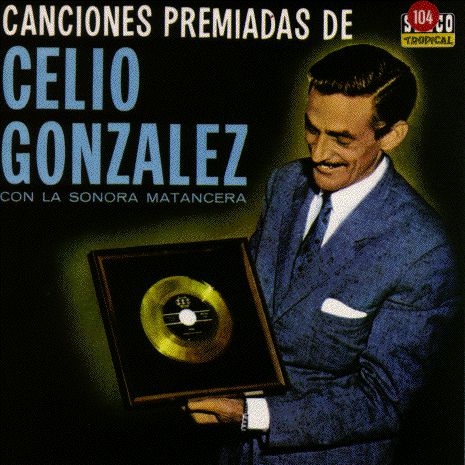
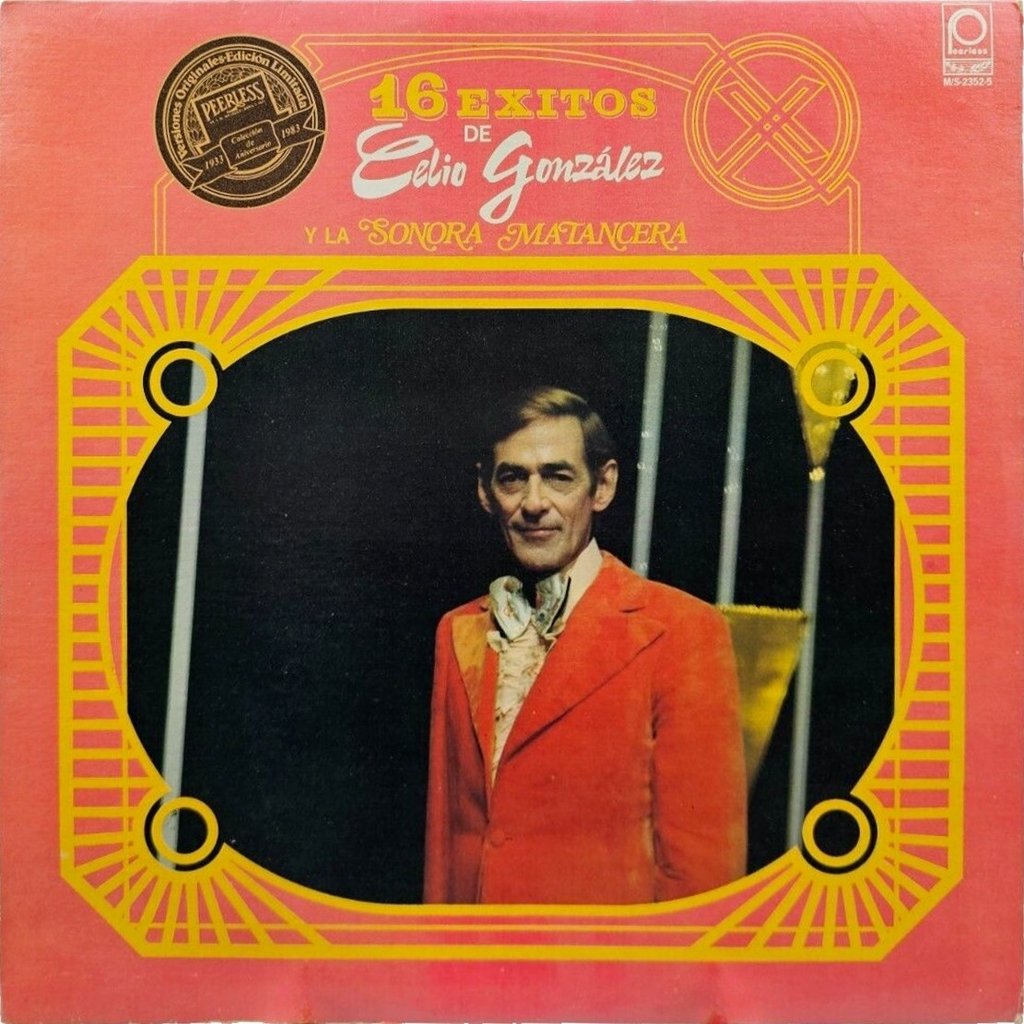
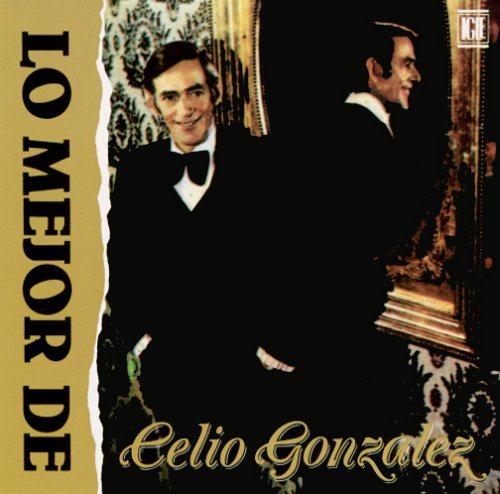
In Mexico, in the seventies, a thin and radiant man climbed the cabaret stairs with the assurance of a king. The Sonora Matancera, the immense Cuban orchestra, had made him famous all over the world. Celio Adán González Ascencio — nicknamed “El Flaco de Oro”, the Golden Thin Man, and “El Satanás de Cuba” — carried in his voice the same alchemy as those thick vinyls of the fifties where, between a bolero and a guaracha, he knew how to surprise the listener. This singer born in 1924 in Camajuaní, in the former Santa Clara province, had only three fingers on each hand and each foot, heirs to a congenital polydactyly. This physical constraint did not prevent music, nor tours, nor the forty-five years of career that forged one of the most recognizable voices of popular Cuba.
In brief
| Full name | Celio Adán González Ascencio |
| Birth | January 29, 1924, Camajuaní (Cuba) |
| Death | October 17, 2004, Mexico City (Mexico) |
| Genre | Bolero, guaracha, Cuban son, rumba |
| Emblematic works | “Total”, “Quémame los ojos”, “Amor sin esperanza” |
| Distinctions | Legend of the Sonora Matancera; no major award recorded |
Key dates
| Year | Event |
|---|---|
| 1924 | Birth in Camajuaní (Cuba); suffers from congenital polydactyly |
| ~1941 | First artistic steps; second place at La Corte Suprema del Arte (Sancti Spíritus) |
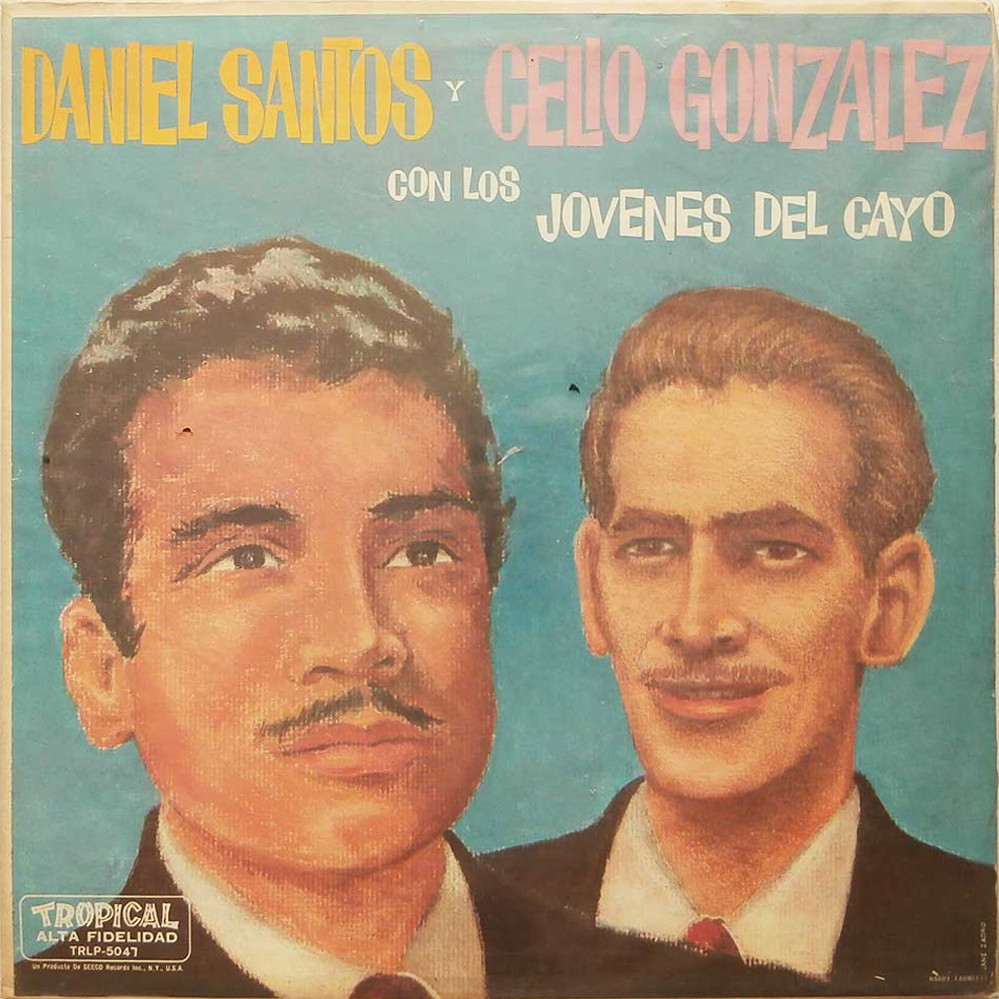
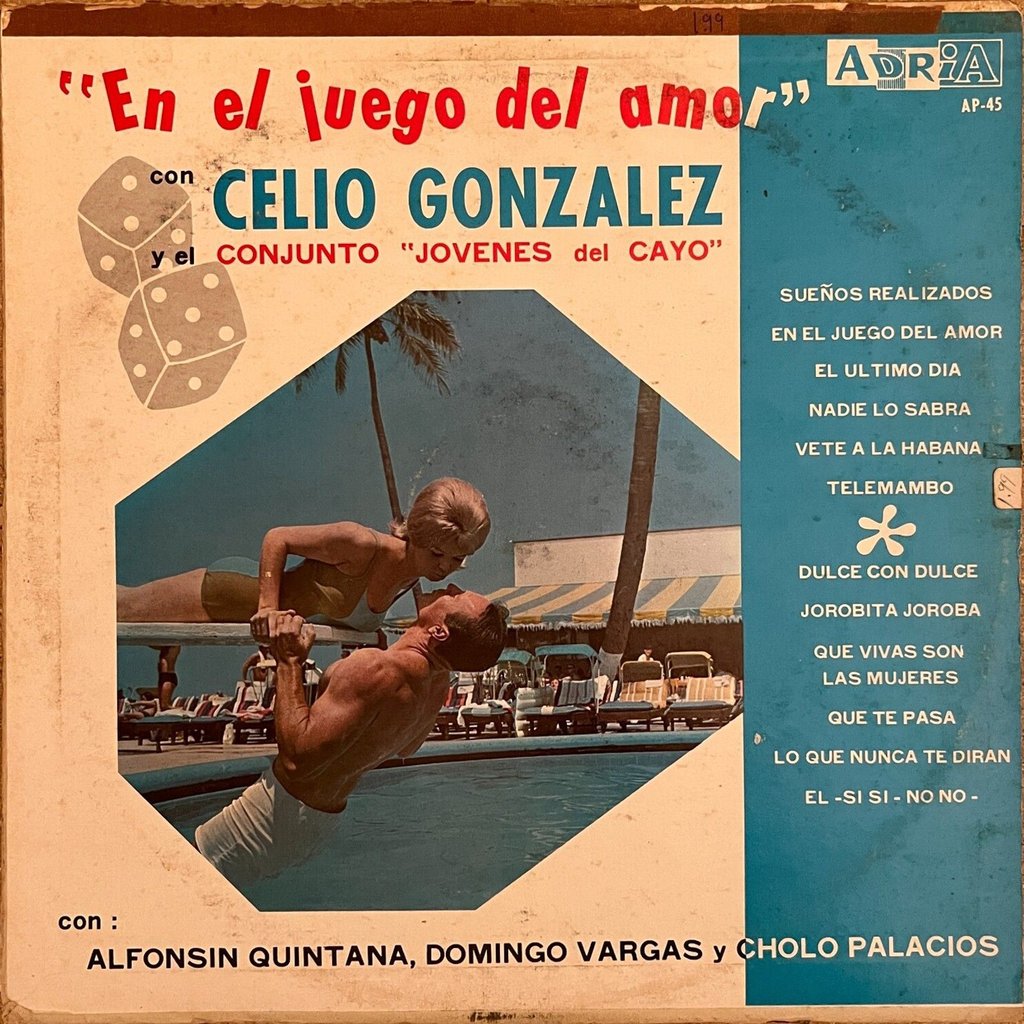
| ~1952–1954 | In La Habana: Les Jóvenes del Cayo, Luis Santí, the Conjunto Casino |
| 1955–1960 | Joining La Sonora Matancera; first hits: “Quémame los ojos”, “Total”, “Amor sin esperanza” |
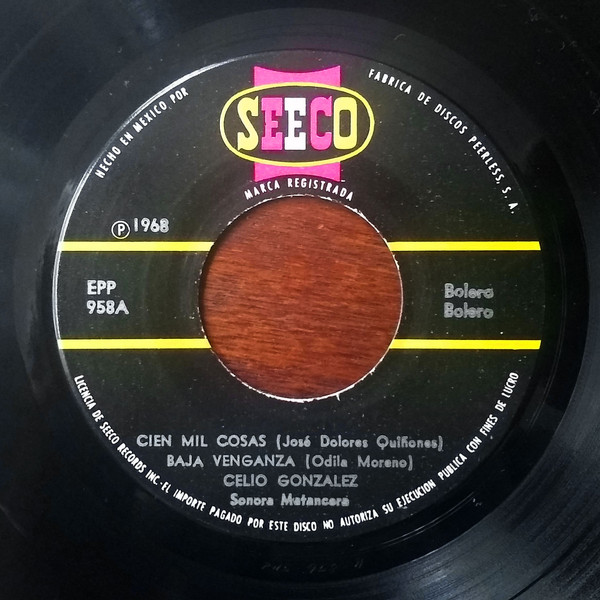
| 1959 | Leaves Cuba after revolution; settles in Mexico, signed with Orfeón and Odeón |
| 1962–1965 | Return to La Sonora Matancera; “Yo soy el son cubano”, “Nobleza” |
| 1966–1980 | Career in Mexico: Gema, Teca, Alegre, Fania; collaborations with Johnny Pacheco and Tito Puente |
| 2003 | Participates in a posthumous tribute to Celia Cruz, his former orchestra partner |
| 2004 | Dies in Mexico City from respiratory arrest, at 80 years old |
A talent forged on Cuban stages and confirmed in Mexico
Born into a modest family in Camajuaní — “a pueblo of guerrillas”, he would remember — Celio grew up listening to and accompanying his mother who sang. “Yo comencé a cantar desde muy pequeño”, he confessed in an interview with La Jornada in 1999. The polydactyly that deprived him of two fingers on each hand and each foot did not keep him from singing: his mother protected him, encouraged him. As an adolescent, he participated in La Corte Suprema del Arte in Sancti Spíritus and won second place, the first sign of early talent.
At seventeen, he settled in Camagüey and joined Joaquín Mendive’s orchestra, then the Conjunto Camacho. He founded his own trio, “Ascencio”, in homage to his maternal family name. At twenty-six, he was in La Habana: Les Jóvenes del Cayo of Alfonsín Quintana, Luis Santí, the Conjunto Casino — CMQ radio halls, shows like Jueves de Partagás, and a first tour in the United States. His style sharpened, “depurado” (purified), with titles like “Monterrey” composed for the Mexican city of the same name by Justo Barreto.
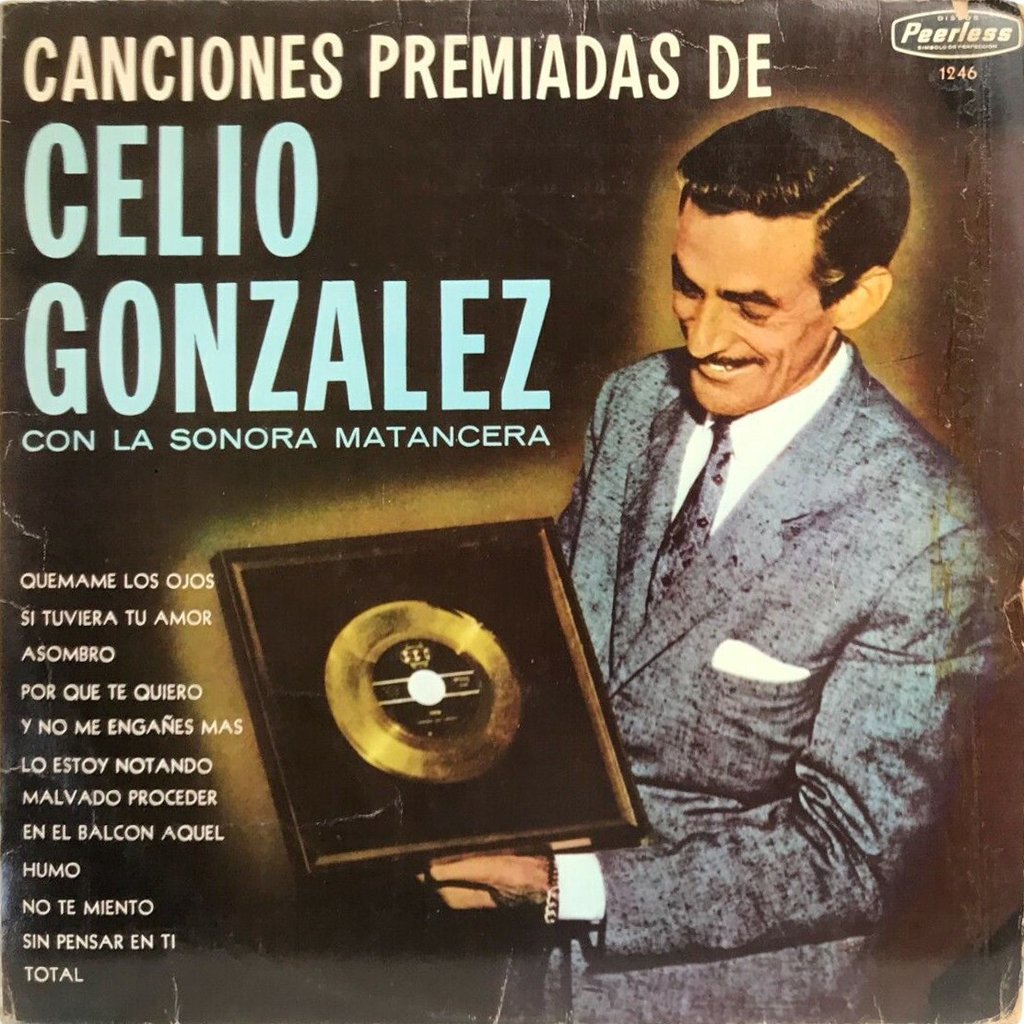
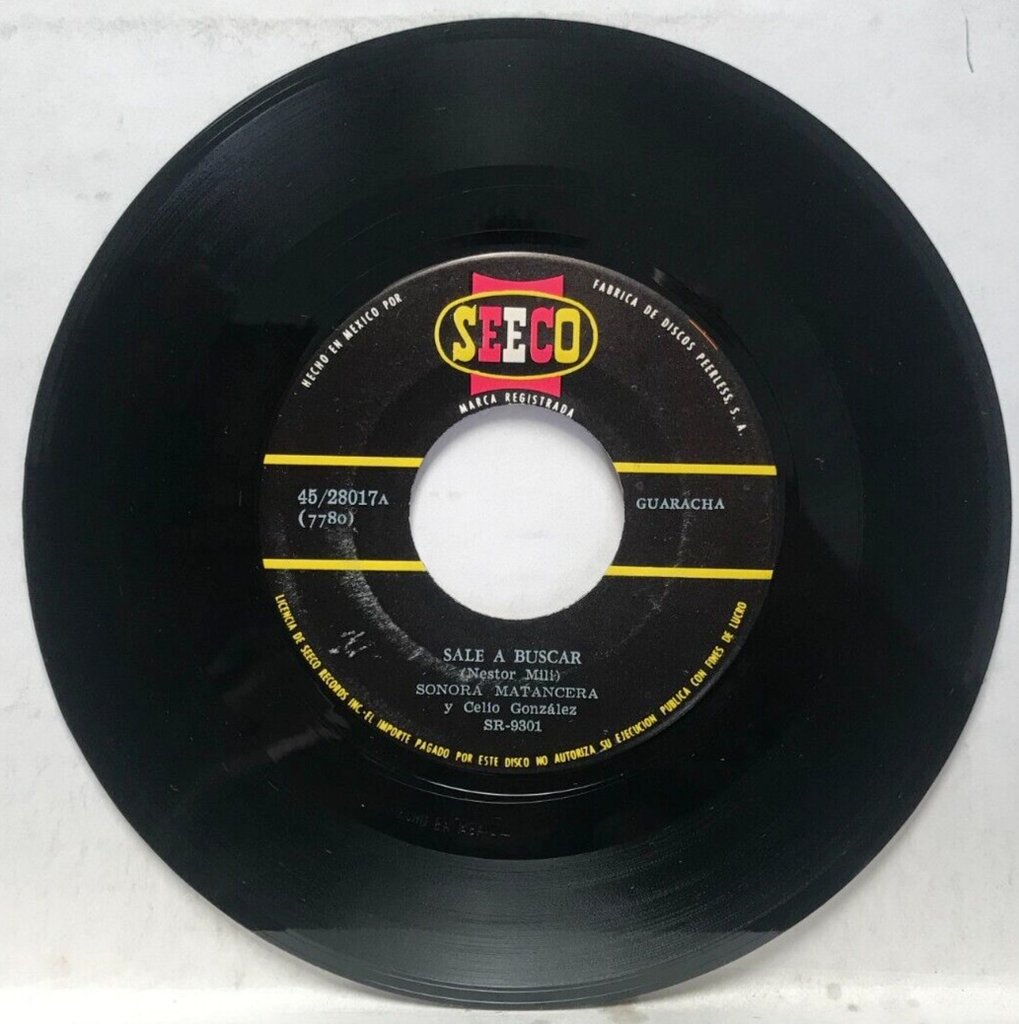
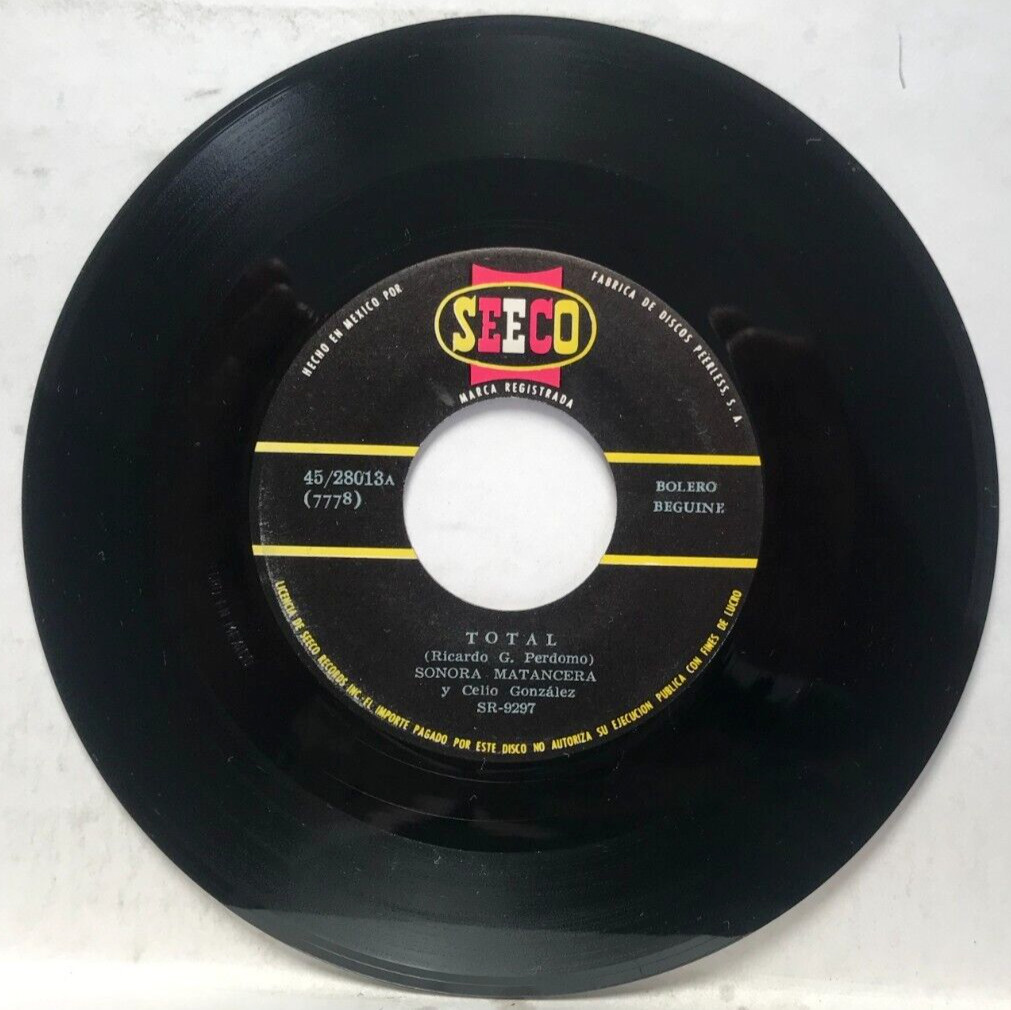
In 1955, the decisive step arrived: Rogelio Martínez, head of the Sonora Matancera — the most popular immense Cuban orchestra — spotted the young singer. “Don Rogelio Martínez, director y luz guía del conjunto, puso sus ojos en él, intuyendo lo que venía”, notes the obituary of El Universo. The first record cut with the formation is “Quémame los ojos”, a bolero-ritmico that immediately became a hit in Cuba. Followed by “Total”, “Amor sin esperanza”, “Y no me engañes más”, “Besito de coco”, “Nobleza”. On the microphone, Celio knew how to sing like few others: bolero, guaracha, rumba, danzón — he mastered all the codes. His voice inscribes itself in a Hispano-African tradition, and yet distinguishes itself. “Celio es un bolerista natural, con una voz muy particular; ácida y cálida”, notes La Jornada. The public gave him two nicknames: “El Flaco de Oro” — like Agustín Lara, another Mexican flacon — and “El Satanás de Cuba”, for his stage audacity.
“Con la Sonora viví uno de los momentos más importantes de mi vida”, he would say. “Definí una personalidad y maduré una forma de cantar”. In 1959, the Cuban context transformed abruptly: Fidel Castro came to power. On a tour stop, Celio discovered his belongings had been confiscated. He refused to return and signed with Orfeón, then Odeón — the record house that offered him a fixed contract in Mexico. His wife Martha Torres and his children joined him; he obtained an American passport.
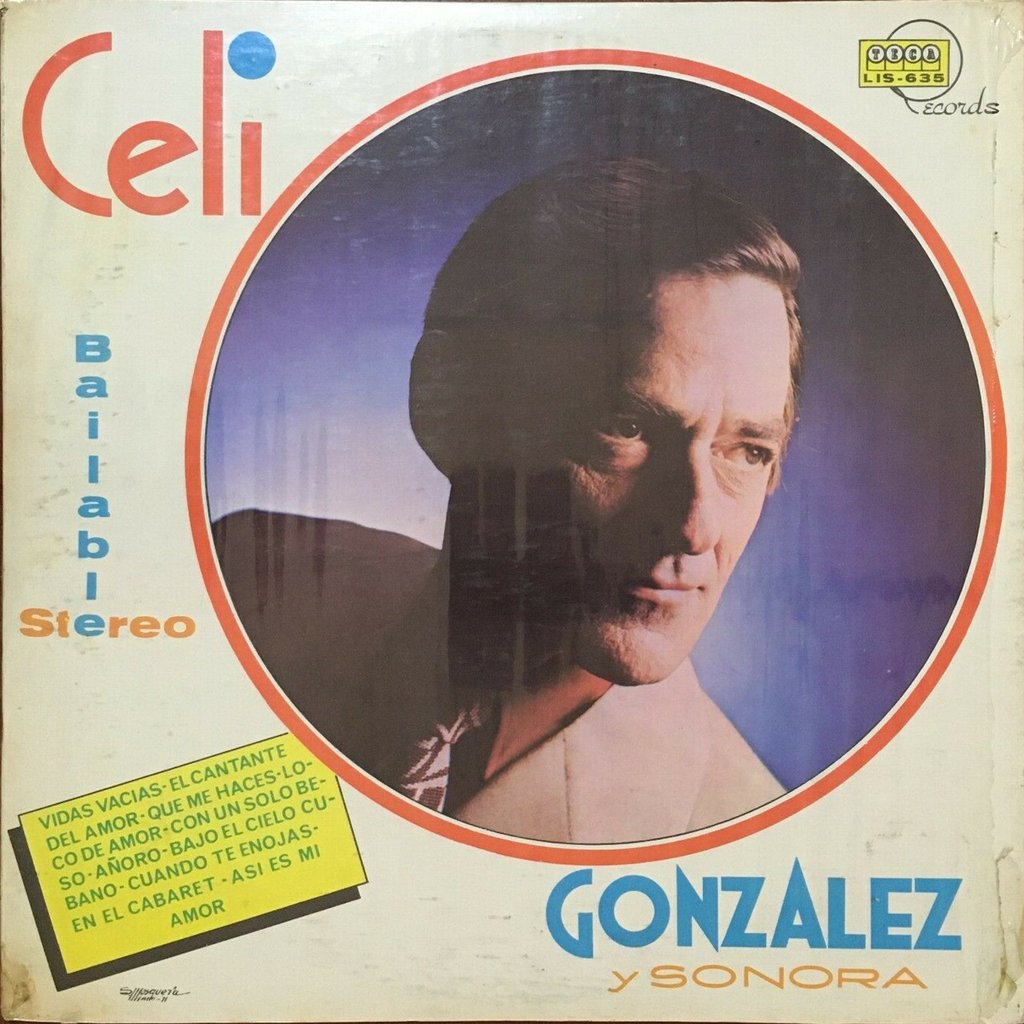
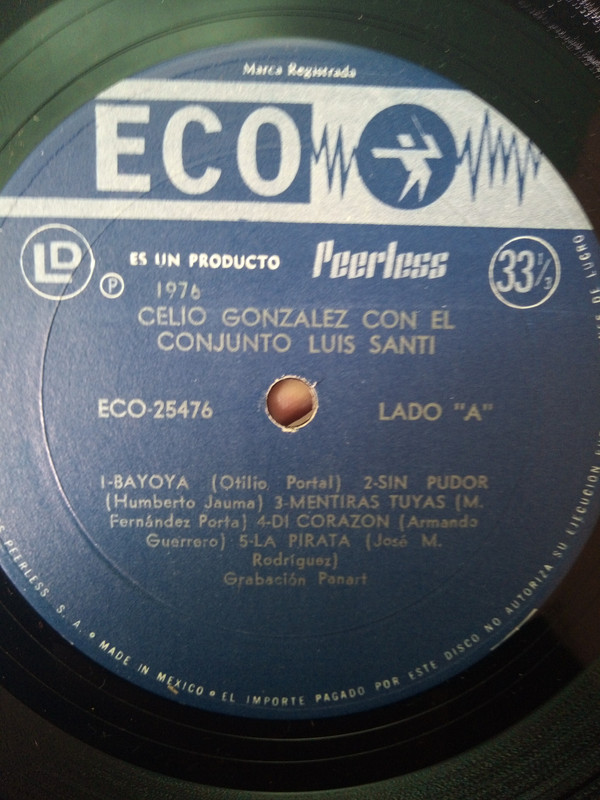
Over the decades, in Mexico, he published with Gema Records, Discos Teca, Alegre and Fania. He worked with Johnny Pacheco, Tito Puente, Chico O’Farrill and the Mexican orchestra of Rómulo Mario. “Esta es una tierra que se ha portado muy bien conmigo”, he would write, grateful to the country that had welcomed him.
Major works
| Work | Year | Why it is essential |
|---|---|---|
| “Quémame los ojos” | 1956 | First hit with La Sonora Matancera, bolero-ritmico that launched his international career |
| “Total” | 1957 | Hymn of Cuban bolero; iconic verses still played by generations of artists |
| “Amor sin esperanza” | 1958 | Demonstration of his sensitivity in sentimental bolero |
| “Yo soy el son cubano” | 1963 | Creed of Cuban musical identity, recorded during his return to La Sonora |
| “Vendaval sin rumbo” | 1960 | Bolero by José Dolores Quiñones, Celio’s most memorable interpretation |
Heritage and influence
Celio González remains the iconic voice of an era when Cuban bolero and guaracha dominated the dance orchestras of the continent. He contributed to launching unknown composers and made the recordings of the Sonora Matancera known worldwide. Latino-American musicians of the 21st century — from salsa singers to Mexican bolerists — still cite his voice as a model. He died on October 17, 2004, in Mexico City from respiratory arrest. The Sonora Matancera, which over its 80 years counted forty-five singers, lost one of its most faithful ambassadors.
Sources and references
- « Celio González », Wikipedia en español, https://es.wikipedia.org/wiki/Celio_Gonz%C3%A1lez, accessed November 7, 2025.
- « Celio González, el Flaco de Oro que tuvo la Sonora Matancera », El Universo (Guayaquil, Ecuador), https://www.eluniverso.com/2004/10/19/0001/1065/F04DF0541C1A46DEA6A901ADC9D887BA.html, accessed November 7, 2025.
- « ¡Coño!, hoy canto como si fuera un muchacho, dice Celio González », La Jornada (Mexico), https://www.jornada.com.mx/1999/07/16/para.html, accessed November 7, 2025.
- « Celio González — Biography », AllMusic, https://www.allmusic.com/artist/celio-gonz%C3%A1lez-mn0000185611, accessed November 7, 2025.
- « Celio González — Discography », Discogs, https://www.discogs.com/artist/416590-Celio-Gonz%C3%A1lez, accessed November 7, 2025.
- « Celio González. El flaco de oro (II) », Habana Radio, http://www.habanaradio.cu/articulos/celio-gonzalez-el-flaco-de-oro-ii/, accessed November 7, 2025.