Biography
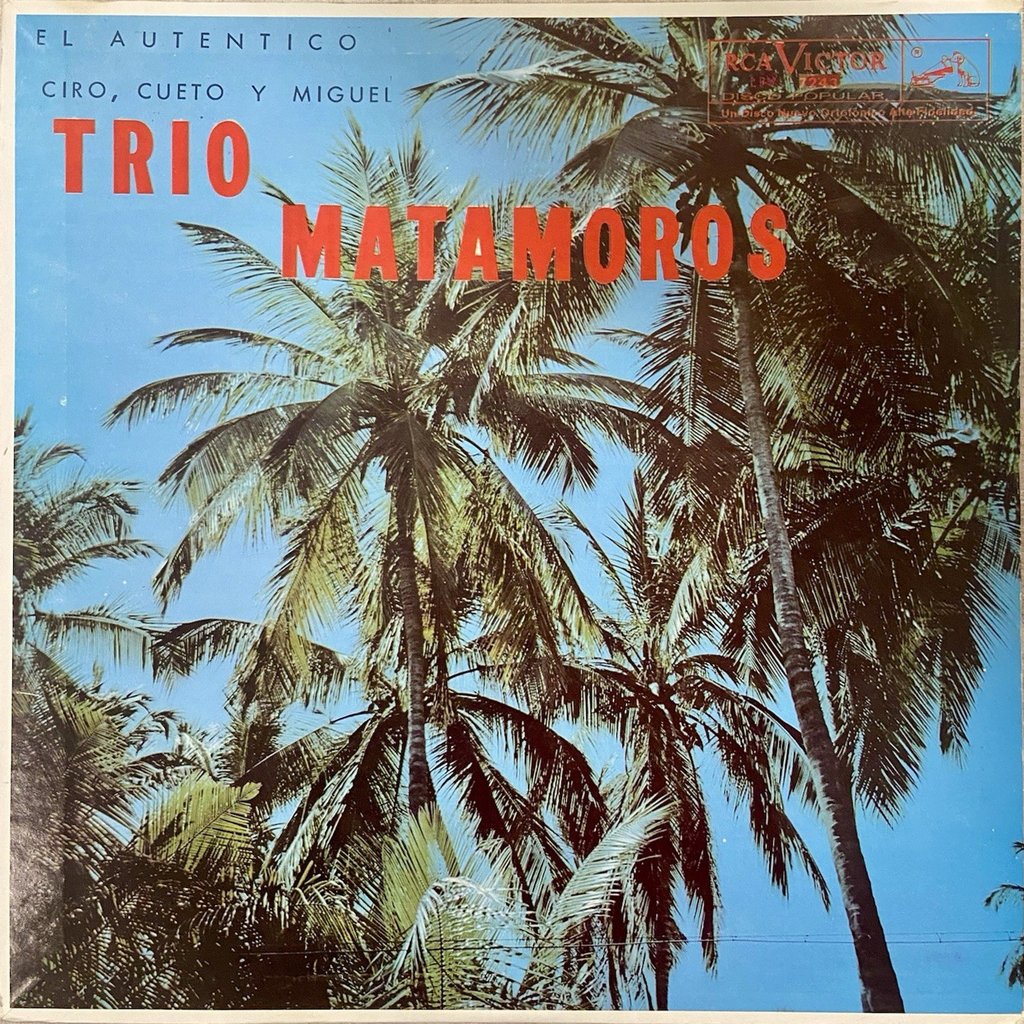
Trío Matamoros
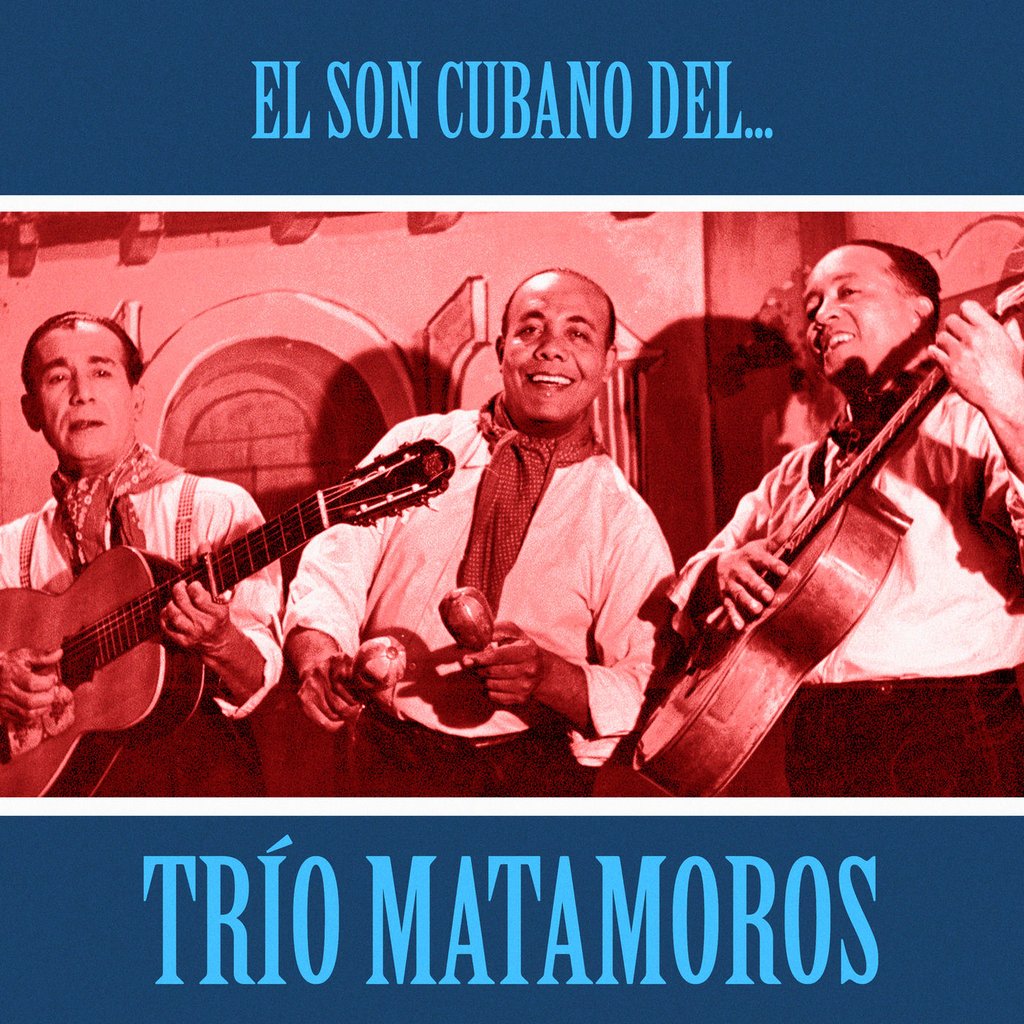
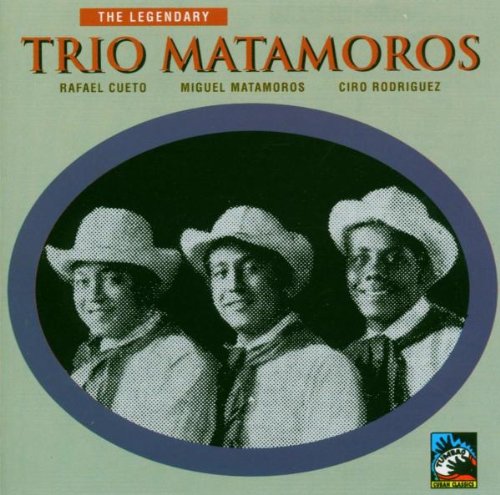
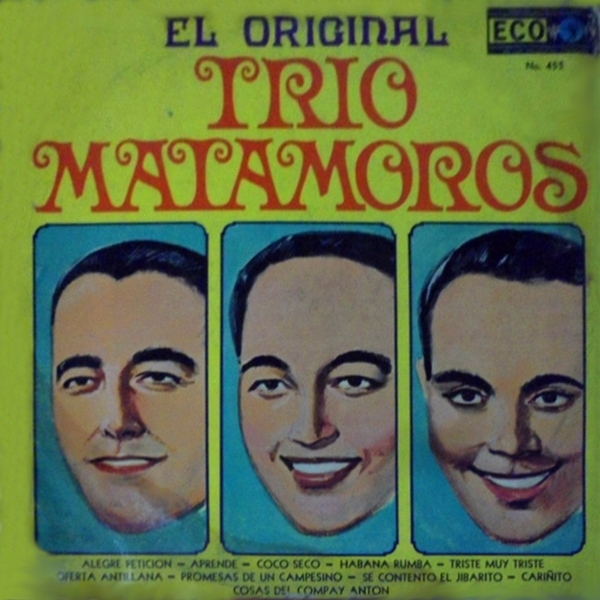
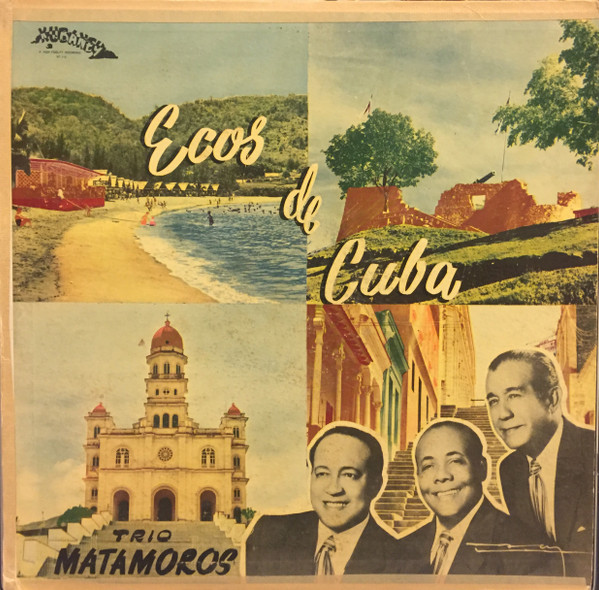
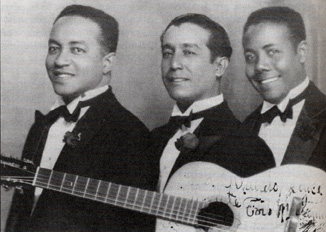
In 1928, three musicians from Santiago de Cuba gave up their name — Trío Oriental — to take the name of their leader, Miguel Matamoros, and founded the group that would transform Cuban son. Over the course of a forty-year career, they achieved a feat: making the boléro danceable, blending close-harmony vocals, interwoven guitars, and rhythmic drive. Their music, recorded in New York and played from Mexico to Paris, forged the DNA of Cuban popular music.
In brief
| Group name | Trío Matamoros (orig. Trío Oriental) |
| Origin | Santiago de Cuba, Cuba |
| Formation | 1925 (name Trío Oriental) |
| Name change | 1928 |
| Dissolution | 1961 (official announcement) |
| Genres | Son cubano, boléro, boléro-son, mambo |
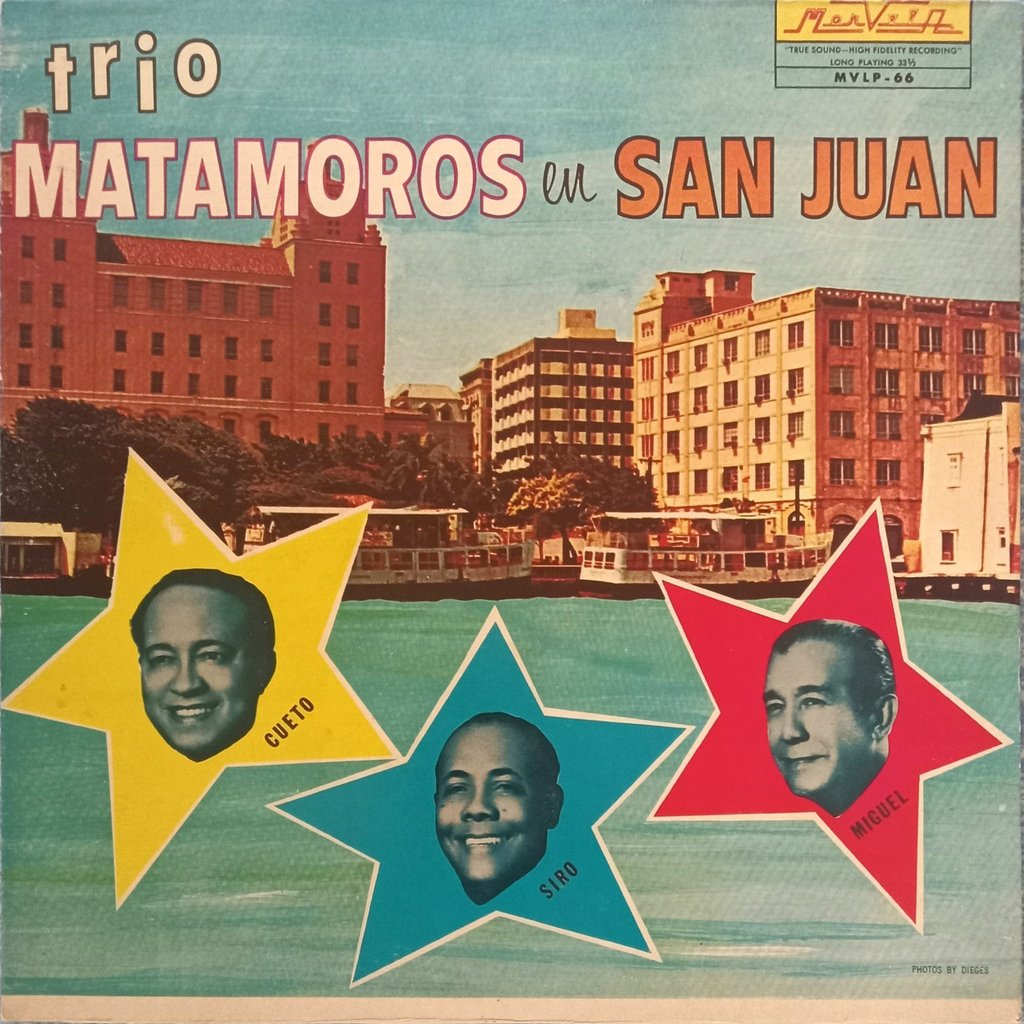
| Founding instruments | Miguel Matamoros (guitar, vocals), Rafael Cueto (guitar), Siro Rodríguez (maracas, claves) |
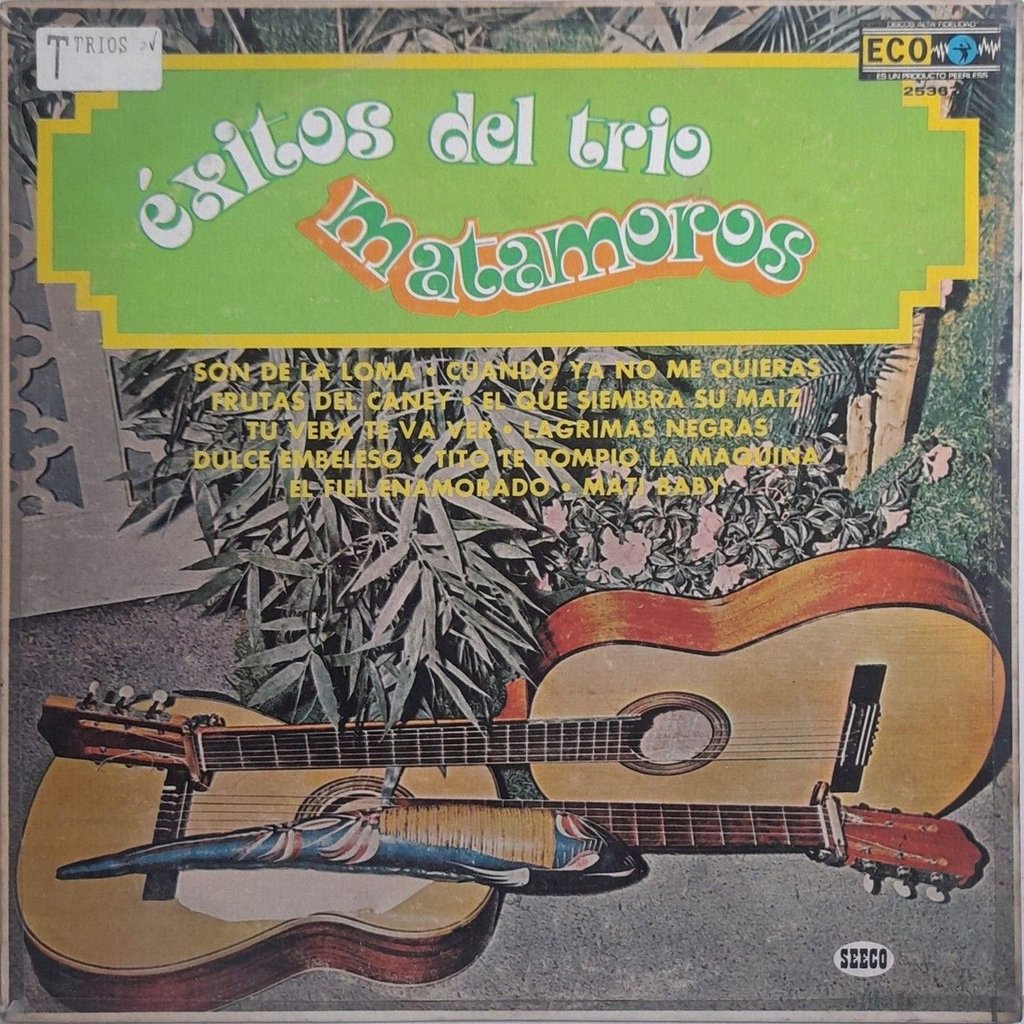
| Signature songs | Lágrimas negras, Son de la Loma, El que siembra su maíz |
Key dates
| Year | Event |
|---|---|
| 1925 | Formation of Trío Oriental in Santiago de Cuba by Miguel Matamoros, Rafael Cueto, and Siro Rodríguez |
| 1928 | Name change to Trío Matamoros; composition of Lágrimas negras |
| 1928-1937 | Period of 78 rpm recordings with Victor and Seeco in New York |
| 1934 | Recording of El desastre del Morro Castle, first text to commemorate the sinking of the Morro Castle |
| 1940 | Guillermo Portabales performs with the trio |
| 1940-1947 | Miguel Matamoros, weakened by vocal problems, expands the group and hires young Beny Moré as lead singer |
| 1945-1947 | Beny Moré sings with Conjunto Matamoros |
| 1960 | Last Cuban performance at Chaplin Theatre (Havana) |
| 1961 | Official announcement of the group’s dissolution |
From Santiago to Hollywood: the birth of a sound
In 1925, Santiago de Cuba was a musical crossroads where African rhythms, Spanish guitars, and Caribbean influences intersected. Miguel Matamoros (born May 8, 1894), Rafael Cueto (March 14, 1900), and Siro Rodríguez (December 9, 1899) decided to form a trio. All three were singers and composers. Cueto, self-taught, developed an innovative rhythmic model that would later be called the tumbao — a melodic and harmonic bass pattern that integrated a polyrhythm never heard before. Siro, on maracas and claves, anchored the sound in Afro-Cuban tradition. Miguel, on guitar and with a nasal voice, composed melodies that embedded themselves in memory.
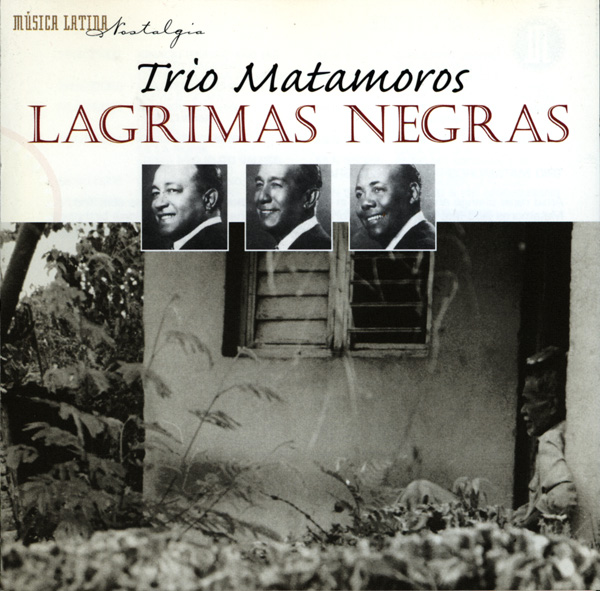
In 1928, the trio discovered that another group already bore the name Trío Oriental. They renamed their formation Trío Matamoros. That same year, Miguel composed Lágrimas negras (“Black Tears”) — which would become one of the most covered Cuban songs in the world, performed by more than a hundred artists. Their first hit, El que siembra su maíz, followed shortly after.
Boléro-son: when the tender becomes danceable
Trío Matamoros invented a hybrid style: boléro-son. The boléro, a romantic and slow genre, here acquired a rhythmic drive from Cuban son — that Afro-Cuban genre that blends guitars and percussion. This bold innovation, which converted the boléro into a danceable genre, won the admiration of musicologists. The trio’s vocal harmonies — Siro’s deep voice telescoping with Miguel’s nasal voice — created a harmonic balance that would long be considered a reference.
The group recorded in New York for Victor and Seeco labels, toured Latin America and Europe, and constantly reinvented itself: trio, quartet, sextet, septet, orchestra, conjunto. In 1934, they recorded El desastre del Morro Castle, the first text to commemorate the tragic sinking of the Morro Castle liner in 1934. In 1940, Guillermo Portabales, a future great name in son, performed with them.
Beny Moré and the final years
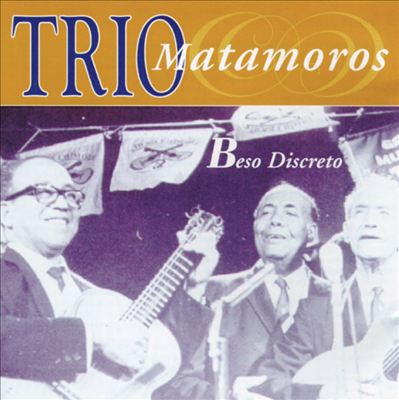
In the early 1940s, Miguel Matamoros suffered from vocal problems. He expanded the formation to Conjunto Matamoros for a trip to Mexico and hired a 19-year-old singer: Beny Moré (1919-1963). Matamoros had initially recruited him to take over his vocal part in the harmonies, but quickly transformed him into a lead singer. This 1945-1947 period made Beny Moré a national star — he would later join Pérez Prado’s orchestra. According to Cuban musicologist Hello Onovio, it was with Trío Matamoros that Beny Moré earned his first impact.
In March 1960, the trio gave its last concert in Cuba, at the Chaplin Theatre in Havana. The same month, they traveled to the United States, returned, and retired. They officially announced their dissolution in May 1961. The three founding musicians remained together for 35 years — a record in the history of Cuban music.
Major works
| Work | Year | Why it’s essential |
|---|---|---|
| Lágrimas negras | 1928 | Became the universal anthem of boléro-son, covered by more than 100 artists |
| Son de la Loma | ~1930 | Typical double entendre of Cuban music: “They come from the hill” and “The music of the hills” |
| El que siembra su maíz | ~1928 | Trio’s first success, title that anchors the group in the Cuban guajira tradition |
| El desastre del Morro Castle | 1934 | First text to commemorate the sinking of the Morro Castle, proof of the trio’s social commitment |
| Mamá, son de la loma | ~1940 | Masterpiece of Oriente nostalgia, blending memory of origins and ambitions of Havana |
Heritage and influence
The Trío Matamoros is recognized as one of the most popular and influential Cuban trova groups of the 1920s and 1930s. Rafael Cueto, by inventing the tumbao — the bass pattern that would become the backbone of salsa, Latin jazz, and the sound itself — left behind a technical legacy that far surpasses his own group. Beny Moré, trained alongside them, would become one of the greatest Cuban singers in history. The name of the bolero-son itself refers to their innovation. Today, their recordings on the Tumbao and Harlequin labels continue to be rediscovered by music lovers around the world, and Lágrimas negras remains a universal standard, performed by artists ranging from Silvio Rodríguez to Celia Cruz and Frank Sinatra.
Sources and references
- « Trio Matamoros », Wikipedia (French version), https://fr.wikipedia.org/wiki/Trio_Matamoros, accessed November 3, 2026.
- « Trio Matamoros », Wikipedia (English version), https://en.wikipedia.org/wiki/Trio_Matamoros, accessed November 3, 2026.
- Stacia Proefrock, « Trio Matamoros Biography », AllMusic, https://www.allmusic.com/artist/trio-matamoros-mn0000026437, accessed November 3, 2026.
- « Trio Matamoros discography », Slipcue Cuban Music Guide, https://www.slipcue.com/music/cuba/matamoros.html, accessed November 3, 2026.
- Joshua Jelly-Schapiro, « Opinion | Listen to the Storm Songs of the Caribbean », The New York Times, https://www.nytimes.com/2019/09/28/opinion/caribbean-hurricane-songs.html, accessed November 3, 2026.
- Ezequiel Rodríguez Domínguez, El Trío Matamoros: treinta y cinco años de música popular, Editorial Arte y Literatura, Havana, 1978.
- Cristóbal Díaz Ayala, « Trío Matamoros », Encyclopedic Discography of Cuban Music 1925-1960, Florida International University, https://latinpop.fiu.edu/SECCION04Mpt1.pdf, accessed November 3, 2026.
- « Cueto, Rafael », Montuno Cubano, https://www.montunocubano.com/Tumbao/biographies/cueto%2C%20rafael.htm, accessed November 3, 2026.