Biography
Rolando La Serie: The Raspy Voice of Cuban Mambo
In 1958, a bolero single titled “Mentiras tuyas” exploded Cuban radio airwaves and sold 30,000 copies in a few days. Behind this voice that never let go of the microphone: Rolando La Serie, a percussionist who became one of the most iconic singers of the Cuban scene of his time, nicknamed “El Guapachoso” — the brave, the daring one.
In Brief
| Full Name | William Newton Calasanz Rolando Laserie Rodríguez (stage name: Rolando La Serie) |
| Birth | August 27, 1923, Mata (Cifuentes), Santa Clara, Cuba |
| Death | November 22, 1998, Coral Gables (Florida), United States |
| Field | Cuban popular music: bolero, guaracha, mambo |
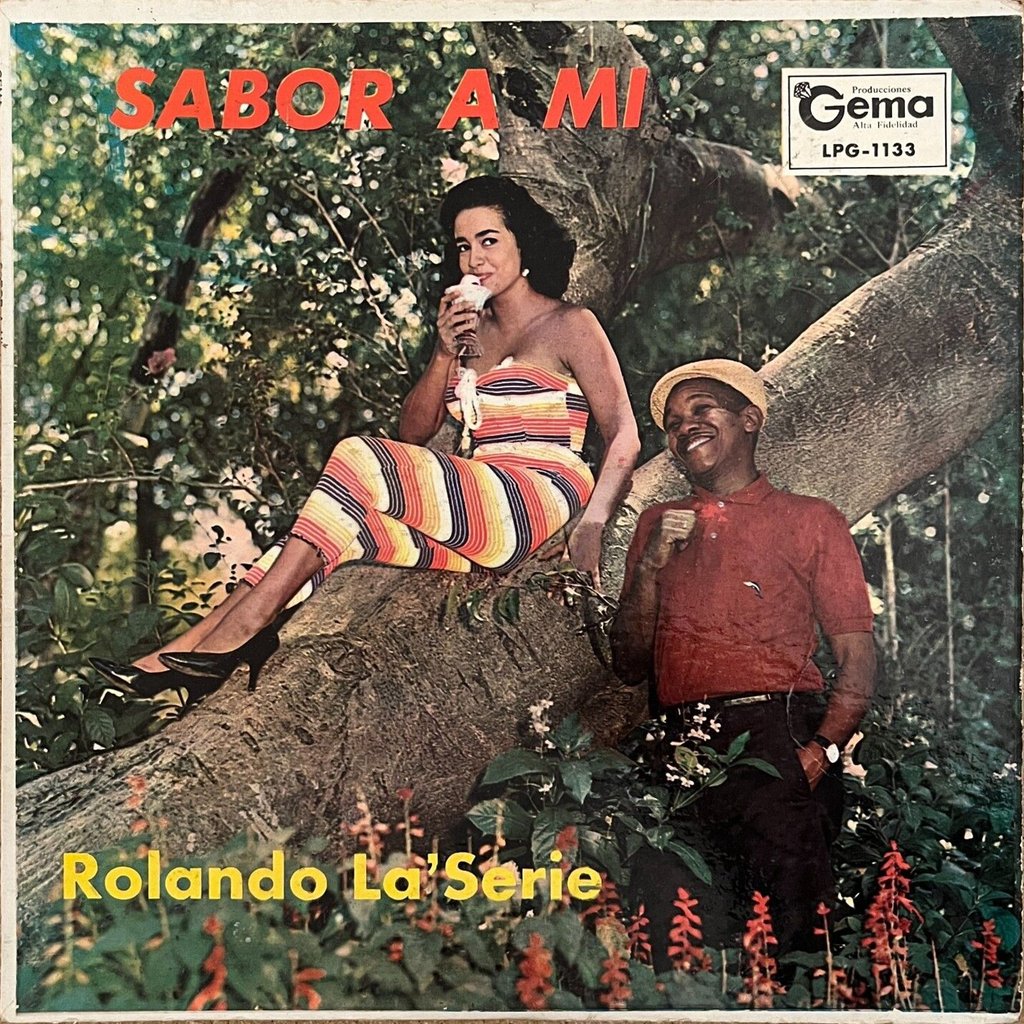
| Iconic Works | “Mentiras tuyas” (1958), La’Serie Canta con Sabor (1957), Sabor a mí (1960) |
| Awards | Named by the New York Times and the Washington Post among the greatest Cuban singers |
Key Dates
| Year | Event |
|---|---|
| 1923 | Birth in Mata, in the province of Las Villas (now Villa Clara) |
| 1932 | Self-taught percussion training (at age 9); Santa Clara municipal band |
| 1946 | Move to Havana; percussion with the Hermanos Palau |
| 1947-1958 | Timpanist at Beny Moré’s Banda Gigante; first performances on Radio Progreso |
| 1958 | First solo hit “Mentiras tuyas” — 30,000 copies sold |
| 1959-1960 | Exile in Mexico, Venezuela; departure for the United States |
| 1960-1962 | Recordings in Puerto Rico and the United States (Gema Records) with Tito Puente, Cortijo y Ismael Rivera |
| 1970-1980 | Active career in Latin America (Musart, RCA Vik) |
| 1980-1998 | More sporadic career in Florida; several albums on Producciones Gema |
| 1998 | Death in Coral Gables (Florida); buried at Miami Memorial Park Cemetery |
From Santa Clara to Havana
William Newton Calasanz Rolando Laserie Rodríguez was born on August 27, 1923, in Mata, a locality now renamed Cifuentes in the province of Santa Clara. His father was a percussionist and instilled in him a taste for Afro-Cuban rhythms from childhood. At nine, he learned to play crosches; as a teenager, he was already in the municipal band and with the Arcaño orchestra.
In 1946, he settled in Havana. A percussionist with the Hermanos Palau, then timpanist for Beny Moré’s Banda Gigante — the greatest popular Cuban artist of the time — he sang backing vocals. But Rolando felt he had a singing voice, slightly raspy and aggressive, with something unique: he longed to be heard himself. Arranger and pianist Ernesto Duarte pushed him toward singing, introducing him to Guillermo Álvarez Guedes — an actor turned record mogul and co-founder of Gema Records. Together, they recorded “Mentiras tuyas,” a bolero produced by Duarte. The record played on the radio and the public responded massively: 30,000 copies sold in a few days. Rolando then signed his first contract under the stage name “La Serie” — like in a series, one after another.
His half-sung, half-spoken style, rhythmic and effervescent, sparked debate at first but proved immediately commercial. He lived every word with assurance and determined insolence. His nickname “El Guapo de la Canción” soon stuck to his skin.
The Exile — First the Voice, Always Cuba
In 1959-1960, after the Castro revolution took power, Rolando’s destiny shifted like that of thousands of Cubans. He chose exile, abandoning everything to start over: Mexico, Venezuela, Argentina, and New York. He performed in theaters, nightclubs, and on television, always accompanied by his wife Gisela — with whom he spent 55 years.
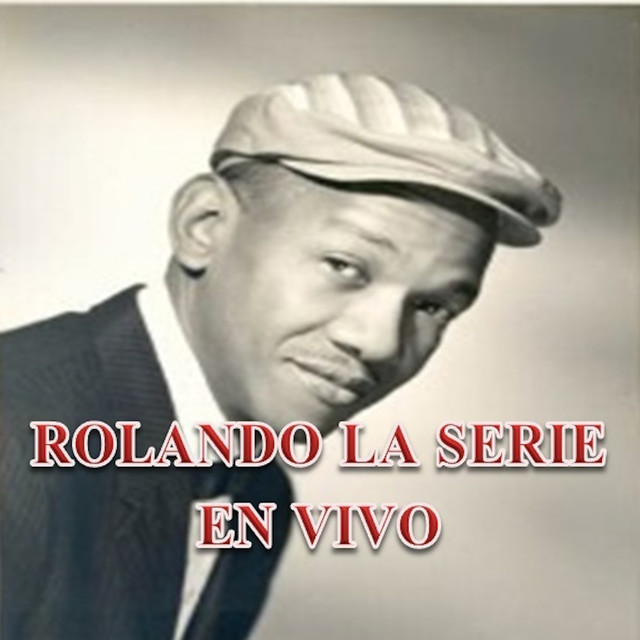
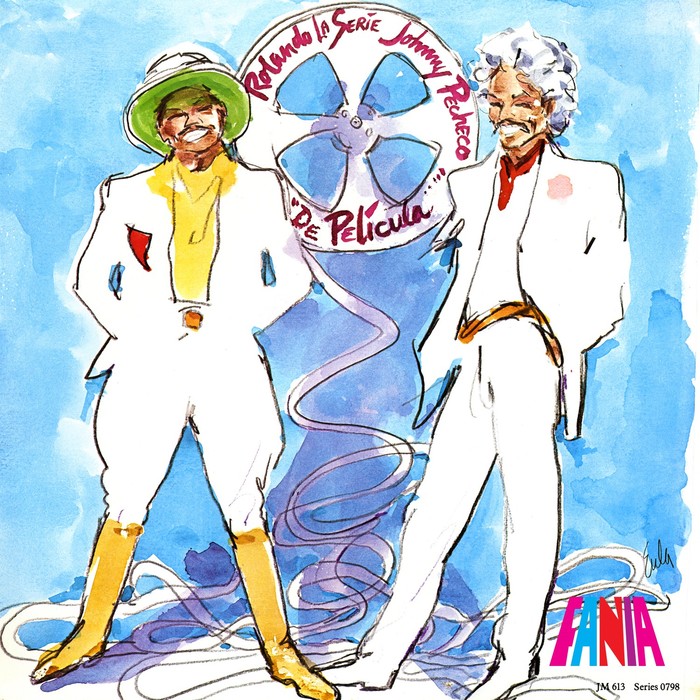
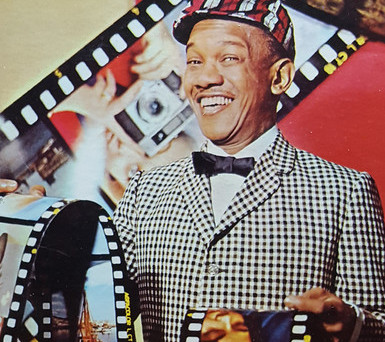
His deep voice and theatrical gestures made him an indispensable figure on Latin exile stages. He placed the microphone in one hand, brandished the other, and cracked his words like crosches: “De película!” (like a movie!) or “Mira esto, Tita!” — the latter expression referring to his beloved Gisela. Elegant costumes, matching bow tie, and a cheeky cap: his trademark was established.
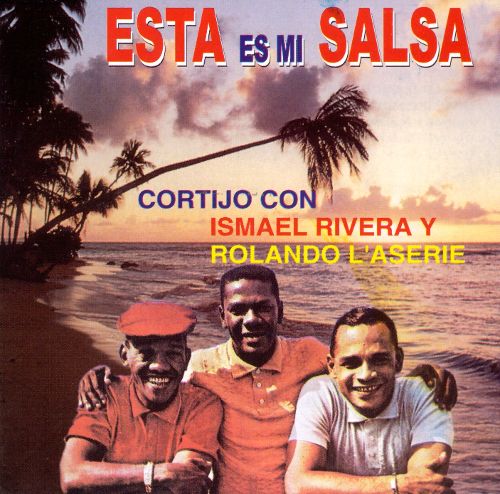
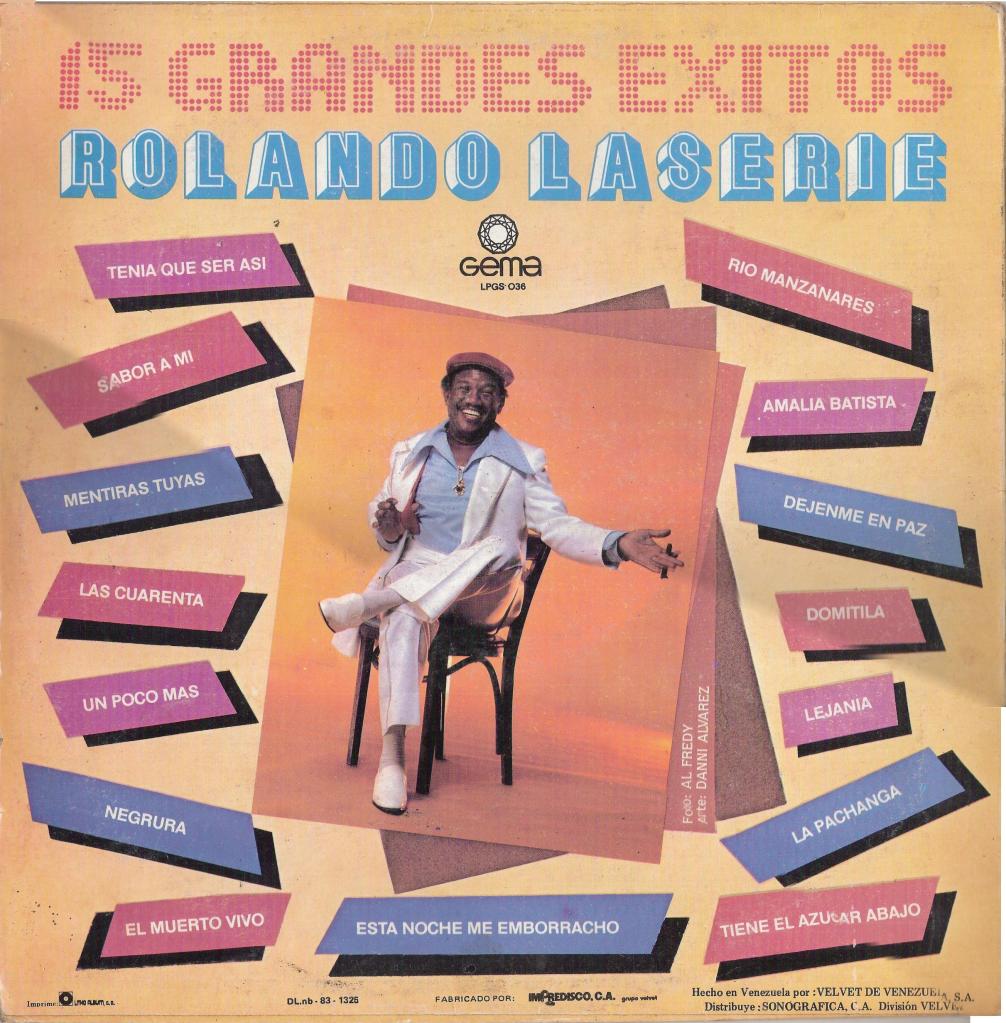
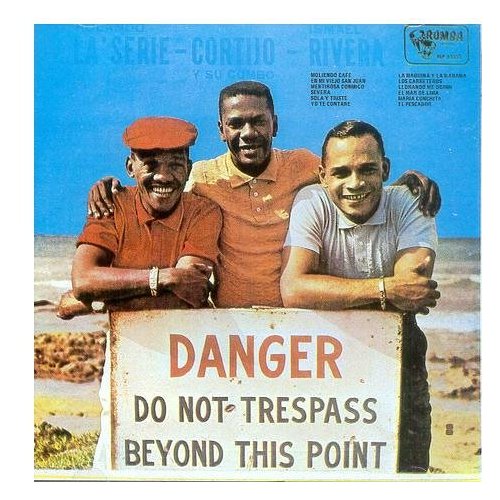
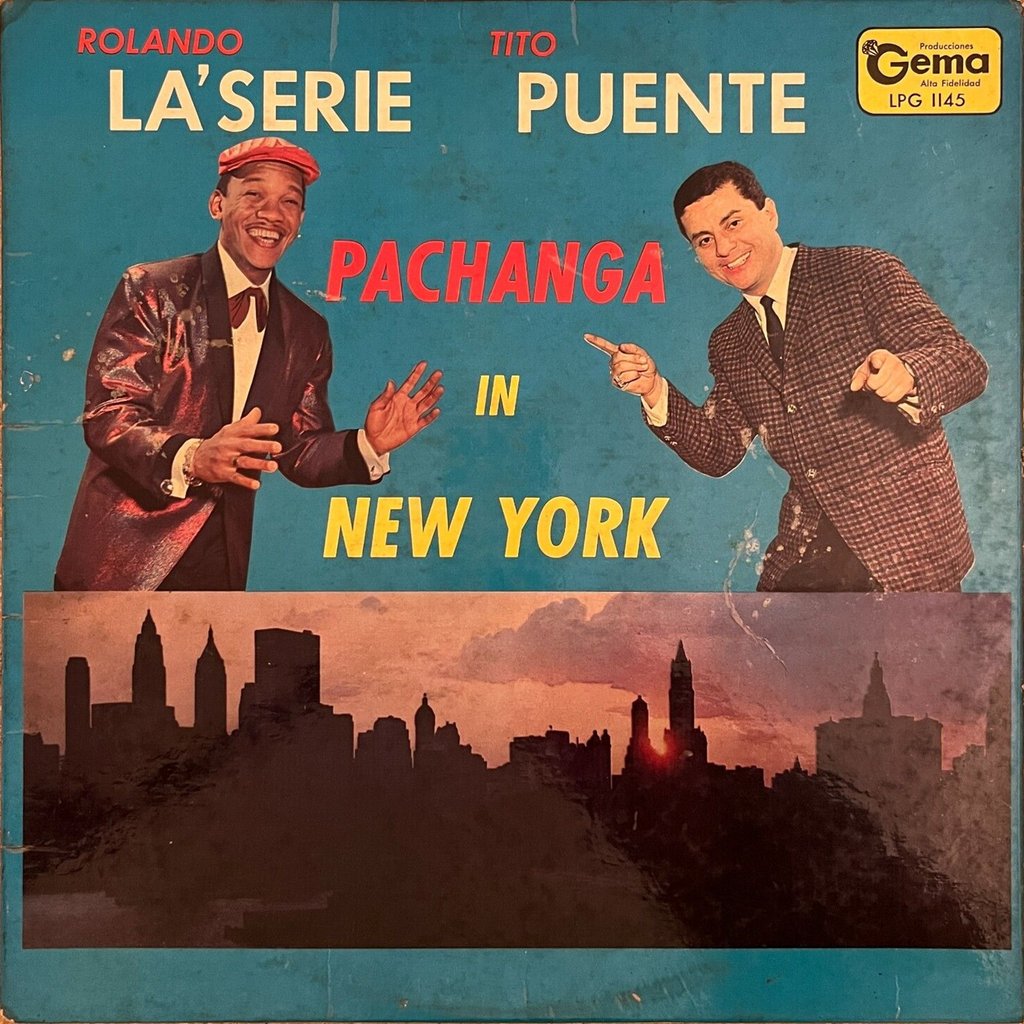
In Puerto Rico and the United States, he signed with Gema Records. In 1961, he headlined alongside Tito Puente on Pachanga in New York, and in 1962 recorded the masterpiece Danger alongside Cortijo y su Combo and Ismael Rivera. His style made a sensation on tracks like “El Muerto Vivo,” “Las Cuarenta,” or “Negrura.”
At the Heart of the Cuban Exile in Miami
After years of tours in Latin America and Spain, he settled permanently in Florida. Having become a U.S. citizen, his career continued more sporadically. He collaborated with bassist Israel “Cachao” López during a reunion concert in 1996 and recorded a posthumous Homenaje al Guapachoso.
He never truly recovered from the exile — he hoped to see a free Cuba before the end, and that never happened. A heart condition gradually set in. He died on November 22, 1998, at the Healthsouth Doctors hospital in Coral Gables, and rests at the Miami Memorial Park Cemetery.
Major Works
| Work | Year | Why It’s Essential |
|---|---|---|
| “Mentiras tuyas” (single) | 1958 | The founding hit — 30,000 copies sold in a few days |
| La’Serie Canta con Sabor (Gema) | 1957 | First typical Gema Records album, guaracha and bolero |
| Danger (Cortijo y Ismael Rivera) | 1962 | Masterpiece of Puerto Rican-Cuban salsa, Gema Records label |
| “Las Cuarenta” | ~1957 | Immortal classic of Cuban guaracha — still played on Latin radios |
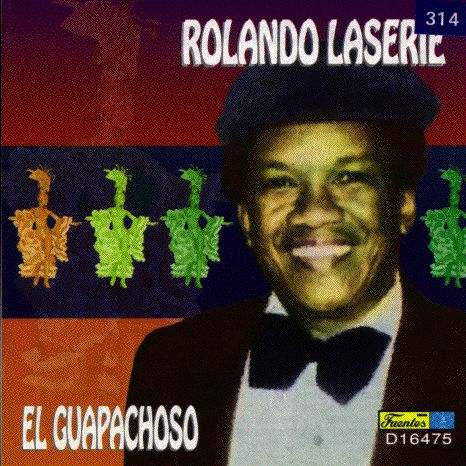
| El Guapachoso (Gema) | 1975 | The title album that earned him his historical nickname — mambo and guaracha |
Heritage and influence
Rolando La Serie remains the archetype of the popular Cuban singer of the 1950s–60s: a raspy voice, a theatrical stage presence, and an audience that followed him to the letter. His half-sung, half-spoken style influenced an entire generation of bolero and guaracha interpreters. His recordings — more than 30 albums between the 1950s and the end of the 1990s — are regularly remixed and reissued by modern Latin labels.
The New York Times and the Washington Post, on the occasion of his death, recognized him among the greatest Cuban singers. His songs “Las Cuarenta”, “Negrura” and “Sabor a mí” remain classics broadcast on all radios of the Cuban diaspora. Rolando La Serie, « El Guapo de la Canción », lives on through these records and in the memory of lovers of yesteryear’s Cuban sound.
Sources and references
- « Rolando Laserie », Wikipedia EN, https://en.wikipedia.org/wiki/Rolando_Laserie, accessed 8 November 2026.
- « Rolando La Serie », Discogs, https://www.discogs.com/artist/1157655-Rolando-La-Serie, accessed 8 November 2026.
- « Rolando Laserie », IMDb, https://www.imdb.com/name/nm1181690/, accessed 8 November 2026.
- « Rolando Laserie », AllMusic, https://www.allmusic.com/artist/rolando-laserie-mn0000838144, accessed 8 November 2026.
- « Rolando Laserie », Coda Music, https://codamusic.me/artists/rolando-laserie/, accessed 8 November 2026.
- Peter Watrous, « Rolando La Serie, 75, a Popular Singer in Cuba », The New York Times, 29 November 1998.
- « Deaths Elsewhere », The Washington Post, 26 November 1998.
- « Rolando Laserie », Rate Your Music, https://rateyourmusic.com/artist/rolando_laserie, accessed 8 November 2026.