

Somalia : Photos
Discover every day Photographs of the various countries of Africa and the Caribbean
All the photos are from the photo sharing website flickr
Use the left menu to choose a country.
Peacekeeping - AMISON
A female member of an EOD team brushes sand off of a mortar shell during a demonstration held by the United Nations Mine Action Service (UNMAS) in Mogadishu, Somalia, on April 4. The Explosive Ordnance Disposal (EOD) team partook in a number of excercises, as part of the International Day of Mine Awareness, in order to draw attention to the large number of mines, unexploded ordnances (UXOs), and explosive remnants of war (ERWs) that still exist in the country. AU UN IST PHOTO / TOBIN JONES.
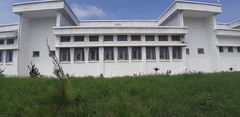
Somali National University, Gaheyr
abdifatahnadir114 posted a photo:
75th EAS resupplies U.S. forces in Somalia
Airman 1st Class Christian Elkins, 75th Expeditionary Airlift Squadron (EAS) loadmaster, prepares to direct a cargo load onto a C-130J Super Hercules in Somalia, June 16, 2020. Task Force Guardian provides base security and force protection for Combined Joint Task Force - Horn of Africa (CJTF-HOA) personnel and U.S. partner forces deployed in the region. (U.S. Air Force photo by Staff Sgt. Shawn White)
75th EAS resupplies U.S. forces in Somalia
U.S. Army Spc. Caleb Ardaiz, 1-186th Infantry Battalion, Site Security Team, Task Force Guardian sniper, prepares to provide security for a C-130J Super Hercules from the 75th Expeditionary Airlift Squadron (EAS) in Somalia, June 16, 2020. Task Force Guardian provides base security and force protection for Combined Joint Task Force - Horn of Africa (CJTF-HOA) personnel and U.S. partner forces deployed in the region. (U.S. Air Force photo by Staff Sgt. Shawn White)
75th EAS resupplies U.S. forces in Somalia
U.S. Army soldiers assigned to the 186th Infantry Battalion, Site Security Team, Task Force Guardian, Combined Joint Task Force – Horn of Africa (CJTF-HOA), prepare to provide security for a C-130J Super Hercules from the 75th Expeditionary Airlift Squadron (EAS) in Somalia, June 16, 2020. Task Force Guardian provides base security and force protection for CJTF-HOA personnel and U.S. partner forces deployed in the region. (U.S. Air Force photo by Staff Sgt. Shawn White)
75th EAS resupplies U.S. forces in Somalia
A U.S. Air Force loadmaster from the 75th Expeditionary Airlift Squadron (EAS), directs loading of cargo onto a C-130J Super Hercules in Somalia, June 18, 2020. The 75th EAS provides strategic airlift capabilities across the Combined Joint Task Force - Horn of Africa (CJTF-HOA) area of responsibility. (U.S. Air Force photo by Staff Sgt. Shawn White)
75th EAS resupplies U.S. forces in Somalia
U.S. Army Spc. Caleb Ardaiz, 1-186th Infantry Battalion, Site Security Team, Task Force Guardian sniper, provides security for a C-130J Super Hercules from the 75th Expeditionary Airlift Squadron (EAS) in Somalia, June 16, 2020. Task Force Guardian provides base security and force protection for Combined Joint Task Force - Horn of Africa (CJTF-HOA) personnel and U.S. partner forces deployed in the region. (U.S. Air Force photo by Staff Sgt. Shawn White)
75th EAS resupplies U.S. forces in Somalia
U.S. Army Sgt. Lance Pierce, 1-186th Infantry Battalion, Site Security Team, Task Force Guardian sniper team leader, provides security for a C-130J Super Hercules from the 75th Expeditionary Airlift Squadron (EAS) in Somalia, June 16, 2020. Task Force Guardian provides base security and force protection for Combined Joint Task Force - Horn of Africa (CJTF-HOA) personnel and U.S. partner forces deployed in the region. (U.S. Air Force photo by Staff Sgt. Shawn White)
75th EAS resupplies U.S. forces in Somalia
U.S. military personnel assigned to Combined Joint Task Force – Horn of Africa (CJTF-HOA), await a C-130J Super Hercules from the 75th Expeditionary Airlift Squadron to finish taxiing in order to perform their assigned duties in Somalia, June 18, 2020. CJTF-HOA is responsible for protecting U.S. interests and promoting security measures and capabilities throughout East Africa. (U.S. Air Force photo by Staff Sgt. Shawn White)
DSC_0132 Jasmine from Somalia and Paola from Ethiopia Sunday Lunch Shoreditch London
Jasmine from Somalia and Paola from Ethiopia Sunday Lunch Shoreditch London
Amid Covid-19 pandemic, SJS distributes PP for reporters and camera operators in Mogadishu, Somalia on Tuesday 23 June, 2020. Amid Covid-19 pandemic, SJS distributes for reporters and camera operators in Mogadishu 23 June, 2020.
Amid Covid-19 pandemic, SJS distributes PP for reporters and camera operators in Mogadishu, Somalia on Tuesday 23 June, 2020. Amid Covid-19 pandemic, SJS distributes for reporters and camera operators in Mogadishu 23 June, 2020.
Amid Covid-19 pandemic, SJS distributes Personal Protection Equipment (PPE) for reporters and camera operators in Mogadishu, Somalia on Tuesday 23 June, 2020.
Amid Covid-19 pandemic, SJS distributes Personal Protection Equipment (PPE) for reporters and camera operators in Mogadishu, Somalia on Tuesday 23 June, 2020.
Amid Covid-19 pandemic, SJS distributes Personal Protection Equipment (PPE) for reporters and camera operators in Mogadishu, Somalia on Tuesday 23 June, 2020.
Amid Covid-19 pandemic, SJS distributes Personal Protection Equipment (PPE) for reporters and camera operators in Mogadishu, Somalia on Tuesday 23 June, 2020.
Somalia #Mogadishu #somalipeople#hanolaato #somalia #Somaliland #jubaland #puntland #Hargeisa #SomaliBoy #Somaliboys #Somalimen #Somaliguy #Somaliman. #Somaligirl #Somaliwomen #Somaliwoman #muslim #islam #africa #african #eastafrica
asurali60 posted a photo:

Somalia #Mogadishu #somalipeople#hanolaato #somalia #Somaliland #jubaland #puntland #Hargeisa #SomaliBoy #Somaliboys #Somalimen #Somaliguy #Somaliman. #Somaligirl #Somaliwomen #Somaliwoman #muslim #islam #africa #african #eastafrica
asurali60 posted a photo:

Somalia #Mogadishu #somalipeople#hanolaato #somalia #Somaliland #jubaland #puntland #Hargeisa #SomaliBoy #Somaliboys #Somalimen #Somaliguy #Somaliman. #Somaligirl #Somaliwomen #Somaliwoman #muslim #islam #africa #african #eastafrica
asurali60 posted a photo:

Somalia #Mogadishu #somalipeople#hanolaato #somalia #Somaliland #jubaland #puntland #Hargeisa #SomaliBoy #Somaliboys #Somalimen #Somaliguy #Somaliman. #Somaligirl #Somaliwomen #Somaliwoman #muslim #islam #africa #african #eastafrica
asurali60 posted a photo:

Somalia #Mogadishu #somalipeople#hanolaato #somalia #Somaliland #jubaland #puntland #Hargeisa #SomaliBoy #Somaliboys #Somalimen #Somaliguy #Somaliman. #Somaligirl #Somaliwomen #Somaliwoman #muslim #islam #africa #african #eastafrica
asurali60 posted a photo:

Somalia #Mogadishu #somalipeople#hanolaato #somalia #Somaliland #jubaland #puntland #Hargeisa #SomaliBoy #Somaliboys #Somalimen #Somaliguy #Somaliman. #Somaligirl #Somaliwomen #Somaliwoman #muslim #islam #africa #african #eastafrica
asurali60 posted a photo:

Somalia #Mogadishu #somalipeople#hanolaato #somalia #Somaliland #jubaland #puntland #Hargeisa #SomaliBoy #Somaliboys #Somalimen #Somaliguy #Somaliman. #Somaligirl #Somaliwomen #Somaliwoman #muslim #islam #africa #african #eastafrica
asurali60 posted a photo:
Images automaticaly loaded from flickr with tags : (somalia)